



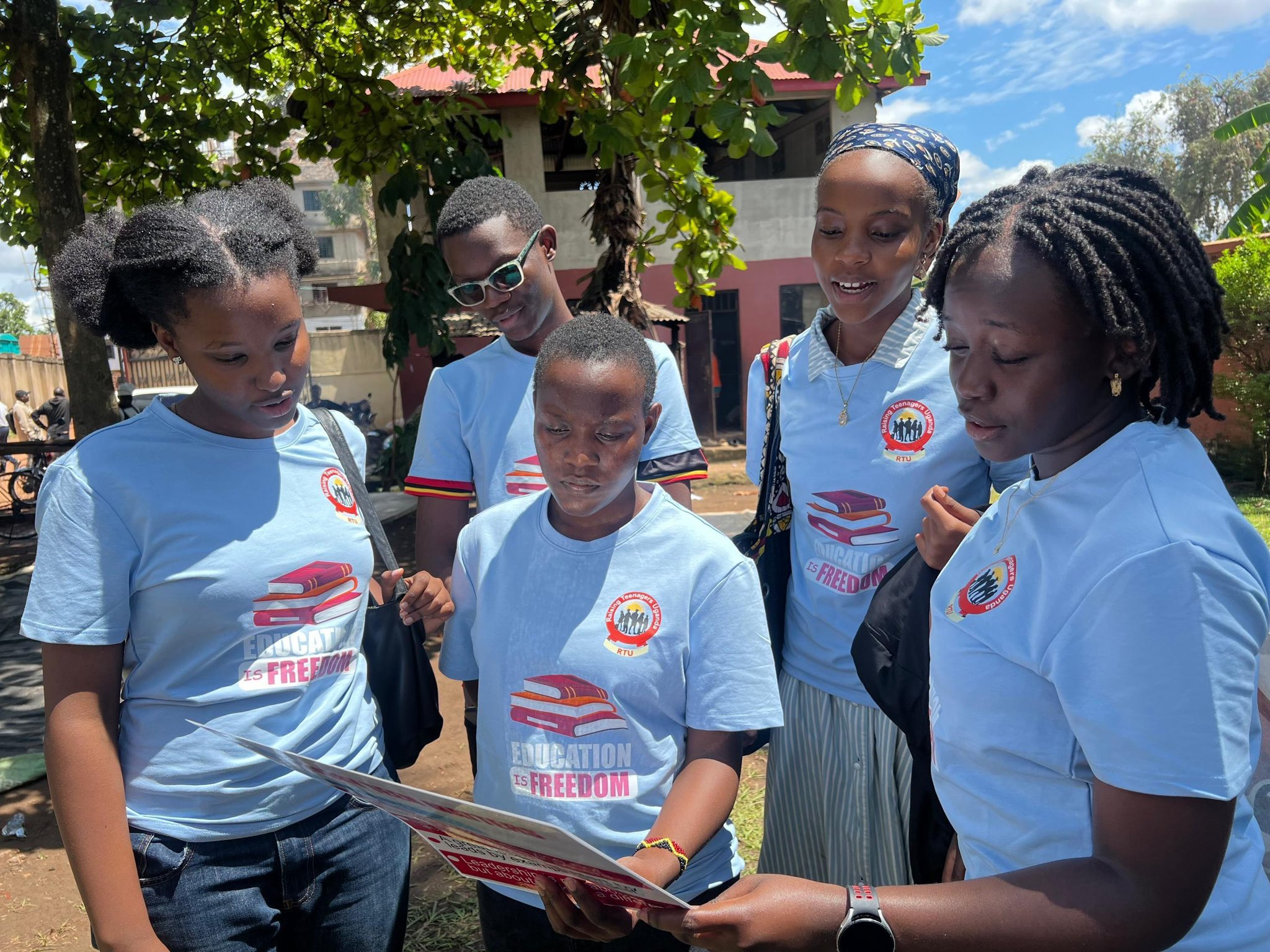
Kampala, Uganda — Raising Teenagers Uganda (RTU), in collaboration with its partners, today marked the 58th anniversary of International Literacy Day, a global observance dedicated to raising awareness of the importance of literacy as a cornerstone of education, empowerment, and human dignity.
Under this year’s theme, “Promoting Literacy in the Digital Era,” the organisation highlighted its ongoing commitment to equipping young people across Uganda with the tools and opportunities needed to thrive in an increasingly digital world.
 At Raising Teenagers Uganda, they believe that education is freedom. “Through mentorship, storytelling, and community-driven programs, the organization is giving young people the chance not just to read books—but to write their own stories and shape their futures.”
Literacy: A Right, Not a Privilege
While literacy is a basic human right, an estimated 739 million people globally still lack fundamental reading and writing skills. The digital age, while promising new avenues for learning, also threatens to leave many behind—especially those without access to the internet, devices, or digital literacy training.
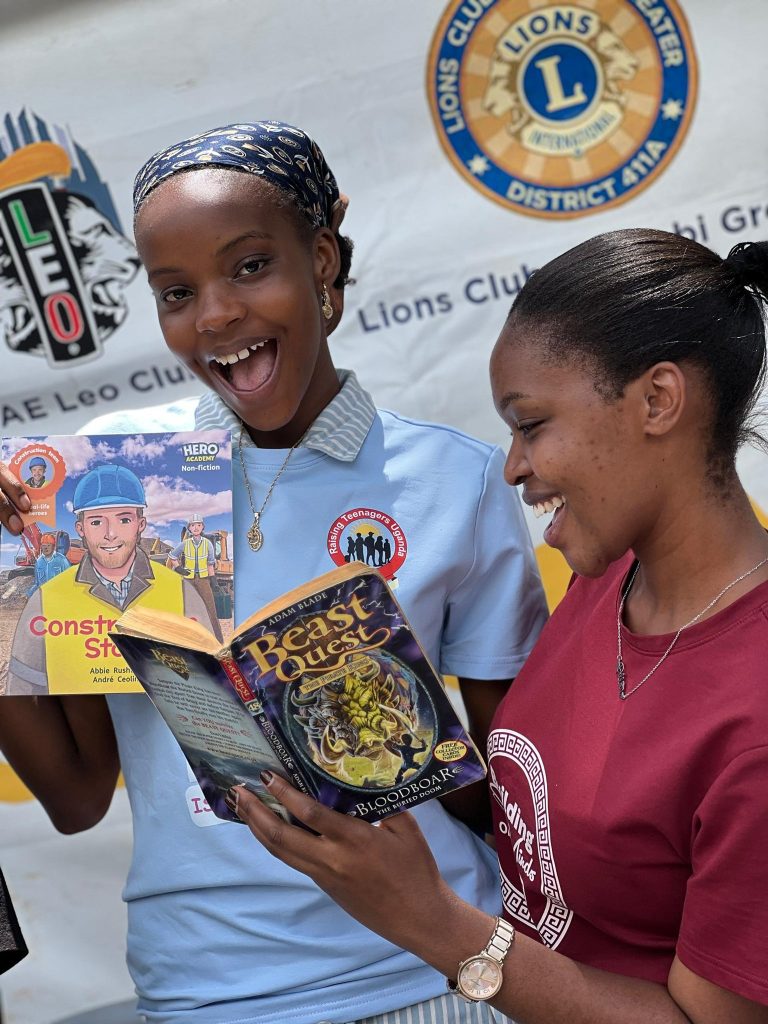 International Literacy Day serves as a reminder that literacy is more than just the ability to read and write—it is a foundation for lifelong learning, critical thinking, and economic participation. “Literacy is empowerment, freedom, and opportunity,” RTU emphasized in their statement.
Closing the Digital Divide in Uganda
RTU’s programs address literacy at both the traditional and digital levels. From distributing scholastic materials in underserved communities to running digital literacy workshops for teens, the organization is working to bridge the gap between analog and digital education.
“Our focus is not just on reading and writing on paper,” RTU noted. “ The organization looking forward to young people to be able to access, evaluate, and create digital content responsibly and confidently.”
A Global Movement for Literacy
International Literacy Day was first established by UNESCO in 1966 and celebrated for the first time in 1967. Since then, it has become a vital global observance highlighting the role of literacy in personal development and social transformation.
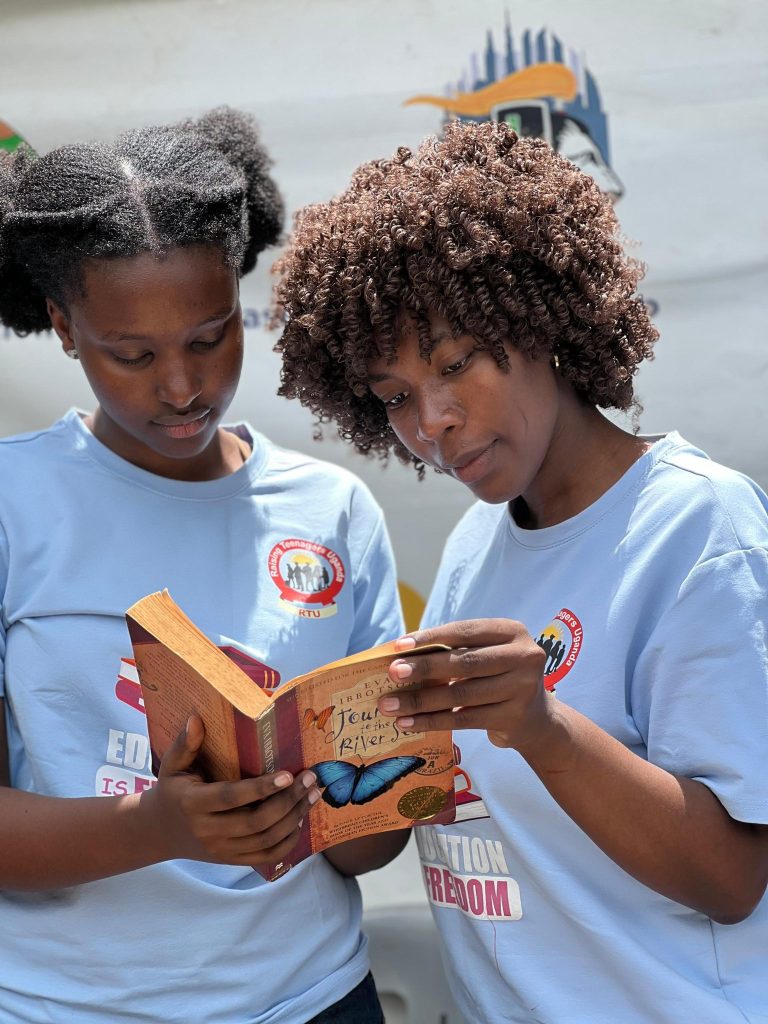 This year, a global conference is being held at the UNESCO Headquarters in Paris, where policymakers, educators, and development leaders are gathering to share strategies for making literacy more inclusive in the digital age. Topics include ethical challenges of digitalisation, digital surveillance, privacy, and the need to ensure that technological advancements serve all—especially the most vulnerable.
A Call to Action
As the world commemorates International Literacy Day 2025, Raising Teenagers Uganda is calling on governments, civil society, and individuals to reaffirm their commitment to making literacy accessible for all.
“Let us break the barriers to education, ensure equitable access to learning tools, and create a world where every child has the chance to dream, learn, and lead,” the organization urged.