


KAMPALA, Uganda — Uganda’s traditional medicine sector could finally get a dedicated regulatory council after the National Drug Authority (NDA) handed the Health Ministry a list of proposed members for the body, seven years after legislation providing for its establishment was enacted.
Hajji Jamil Lutankome, the representative of traditional herbalists on the NDA board, said the list had been submitted to the Minister of Health for consideration and approval.
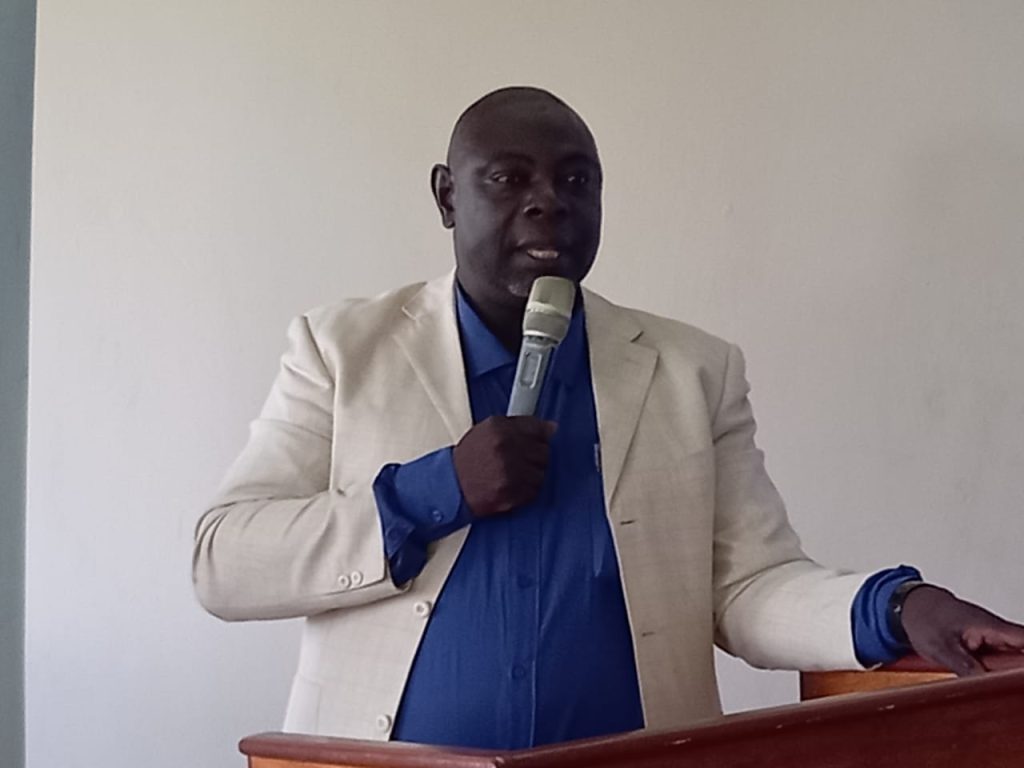
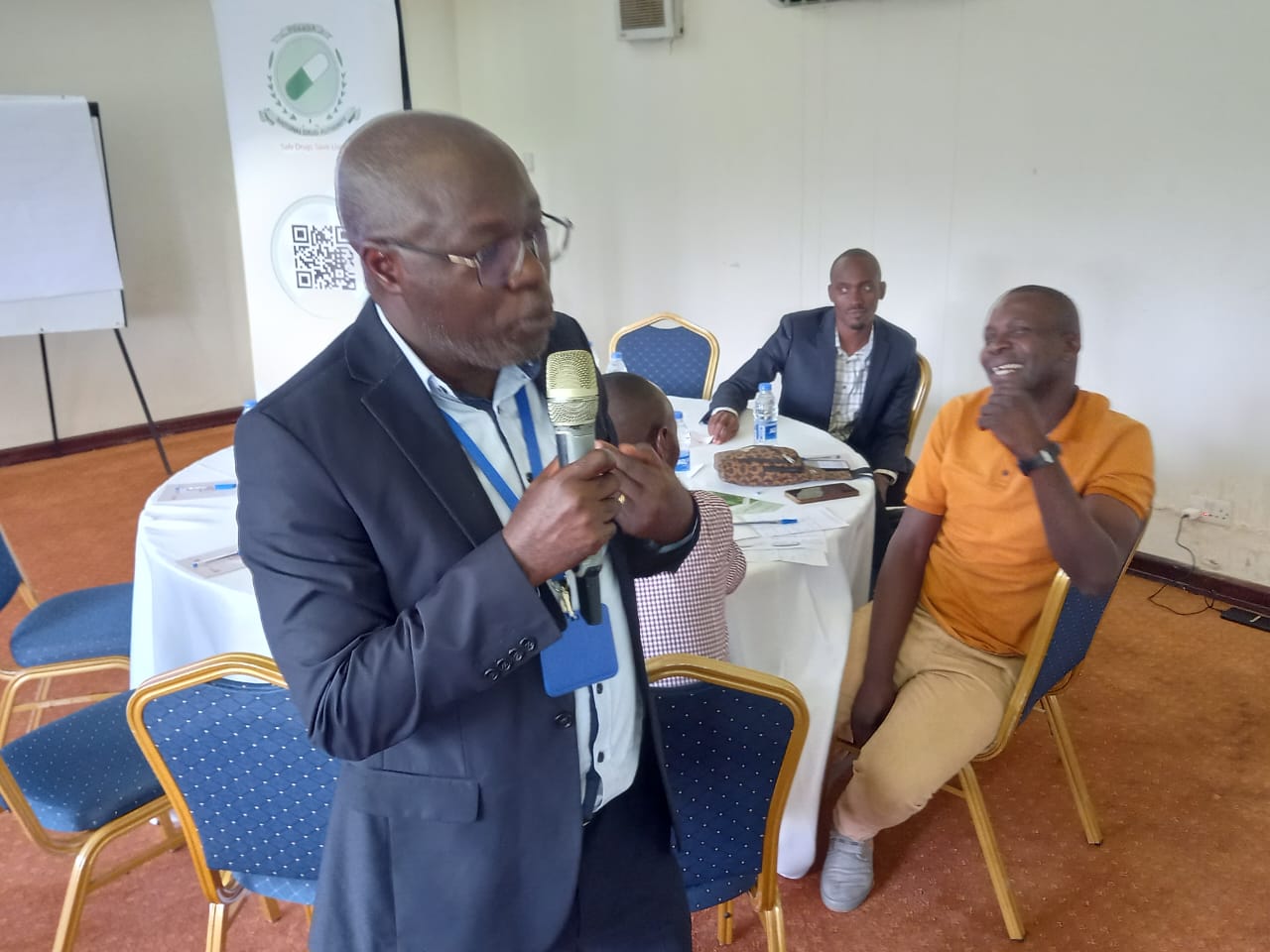
Lutankome made the remarks on Thursday, 27 August, at the close of a two-day capacity-building training programme for herbalists held at Golf Course Hotel in Kampala.
The training brought together herbalists and key technical officers from government ministries, departments and agencies, who provided guidance on policies, regulations and standards governing the traditional and complementary medicine sector.
Lutankome said practitioners were encouraged by the latest development after years of waiting for the council to be established.
The proposed council is expected to set and enforce standards for quality control, strengthen training curricula, monitor practitioners and their operations, and improve compliance with government regulations.
It would also provide a platform for coordination between herbalists, government agencies and other stakeholders, while helping to strengthen the contribution of traditional medicine to Uganda’s development agenda.
Lutankome said Uganda has more than 400,000 herbalists, but only about 300 are formally registered with the NDA, highlighting the scale of the regulatory challenge facing the sector.
Protection of traditional medicine products
Twinomujuni Kafunjo, Assistant Commissioner for Traditional Knowledge at the Uganda Registration Services Bureau (URSB), urged herbalists to embrace intellectual property rights and trademark registration to protect their products from imitation and misuse.
He said that although traditional herbal medicines are widely used in Uganda, many practitioners had yet to register their products with the NDA and URSB as required under existing guidelines.
Twinomujuni said the government was also preparing to engage Cabinet to seek approval of the proposed Traditional Knowledge Bill, which is intended to strengthen protection of indigenous knowledge and related products.
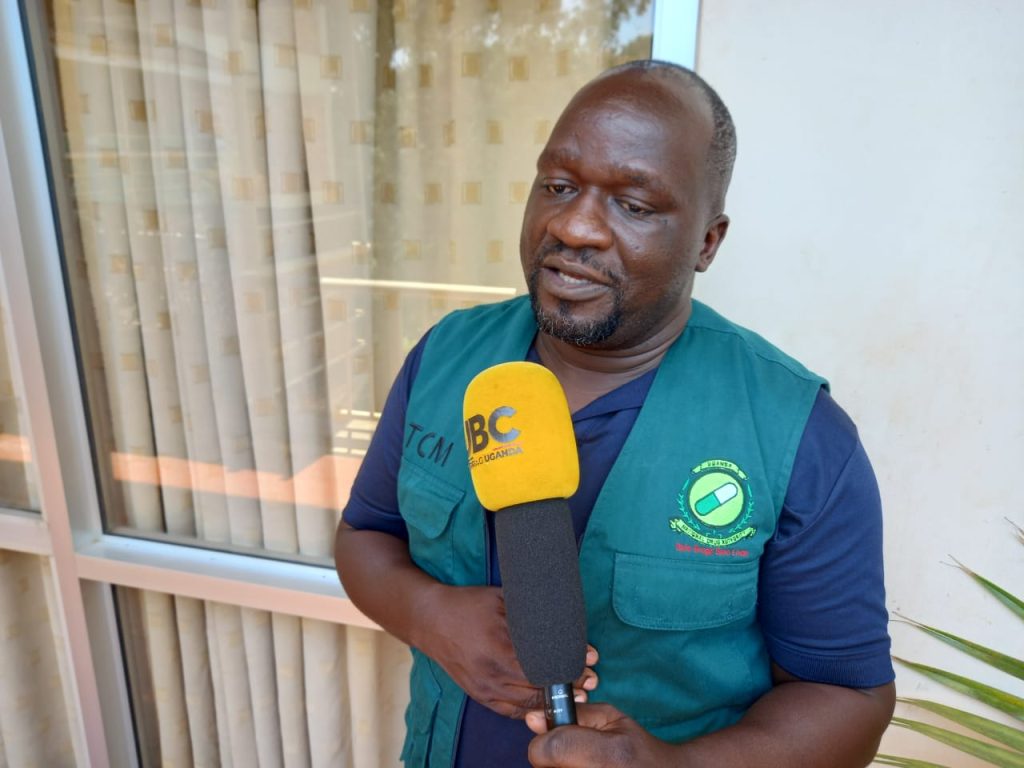
Enock Ntulume, Director of Product Assessment and Inspection at the NDA, said the authority would continue supporting herbalists through training and periodic inspections of production facilities.
The inspections, he said, are intended to improve the quality and productivity of locally produced herbal medicines while ensuring that products meet regulatory requirements.
Ntulume said the NDA had so far approved more than 350 herbal products for the Ugandan market.
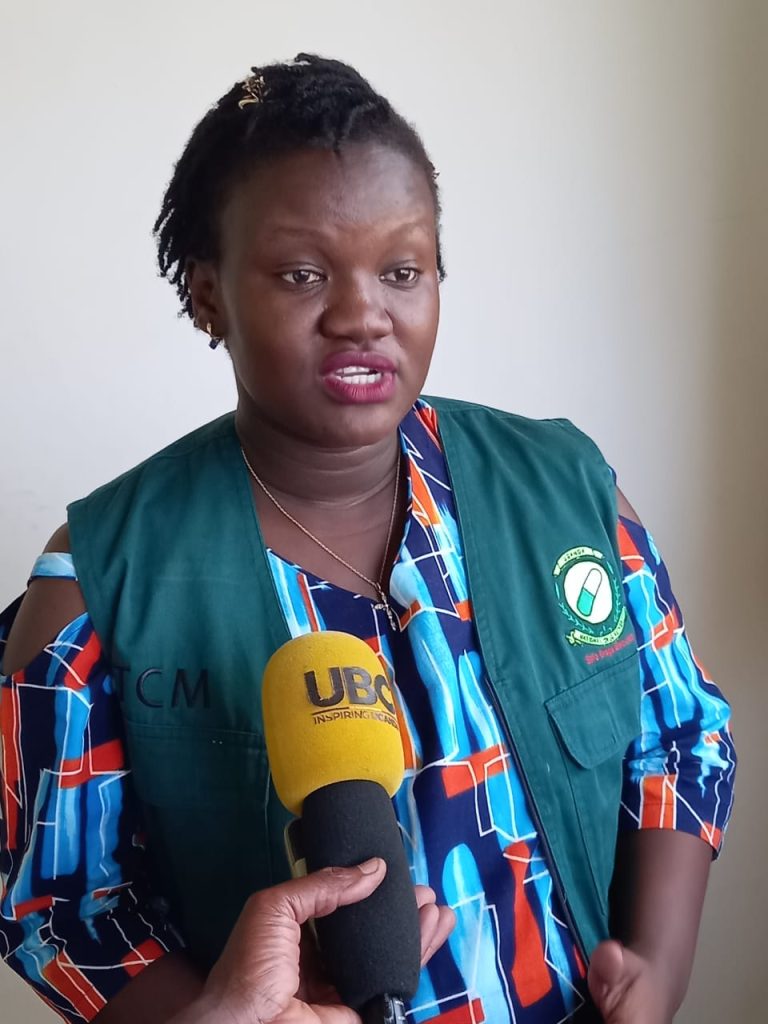
Dr Veronica Nambi Sebunya, an NDA drug inspector in the Department of Drug Promotion, meanwhile urged herbalists to comply with advertising regulations.
She advised practitioners to submit advertisements for their products to the NDA for vetting and clearance before publication.
The proposed council is expected to provide a more coordinated regulatory framework for Uganda’s rapidly growing traditional and complementary medicine sector, bringing practitioners, government agencies and other stakeholders under a common system of standards and oversight.