


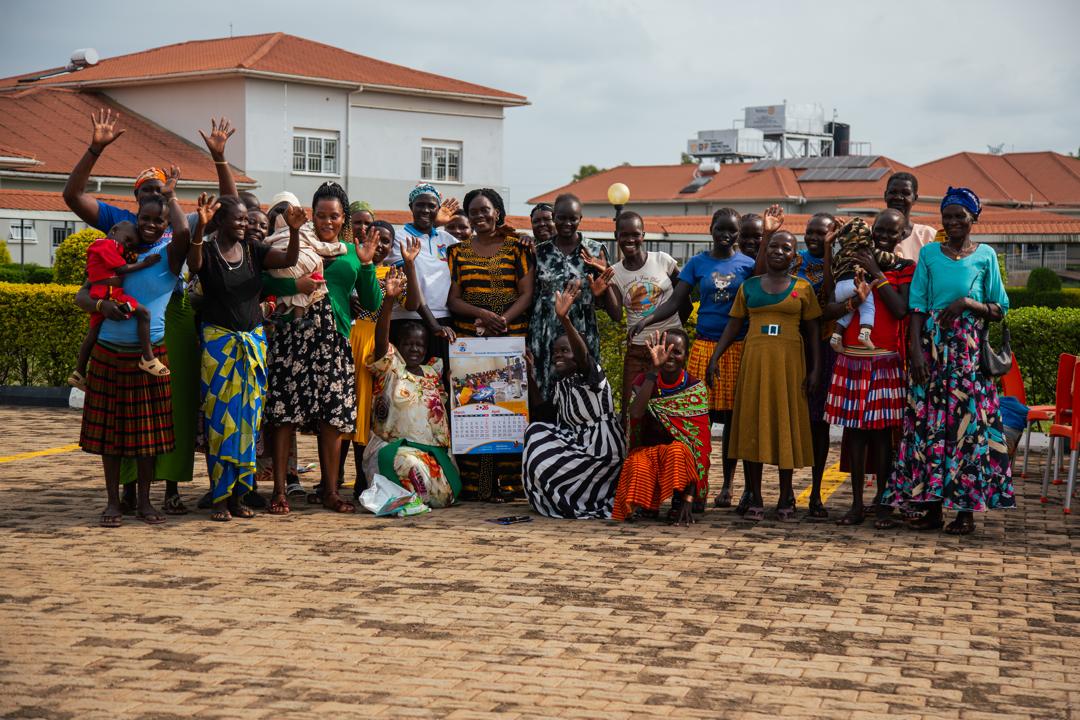
SOROTI, Eastern Uganda — A media training and engagement workshop held in Soroti has reignited efforts to eliminate obstetric fistula, a preventable but life-altering childbirth injury that continues to affect women across Uganda.
The workshop, organized by TERREWODE, brought together journalists from northern and eastern regions to strengthen public awareness, promote prevention, and encourage early treatment of the condition.
Participants were equipped with practical knowledge on identifying obstetric fistula and related childbirth complications.
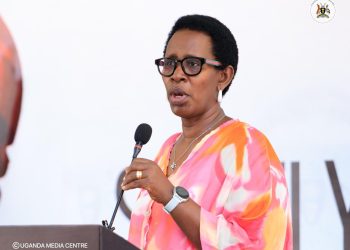
Speaking at the event, Executive Director Alice Emasu Seruyange said the training is part of a broader effort to renew national momentum in the fight against fistula.
“We have fought a war of over 25 years to end fistula and registered significant progress,” she said, noting that earlier estimates of more than 200,000 affected women have dropped significantly, though exact figures remain uncertain due to underreporting.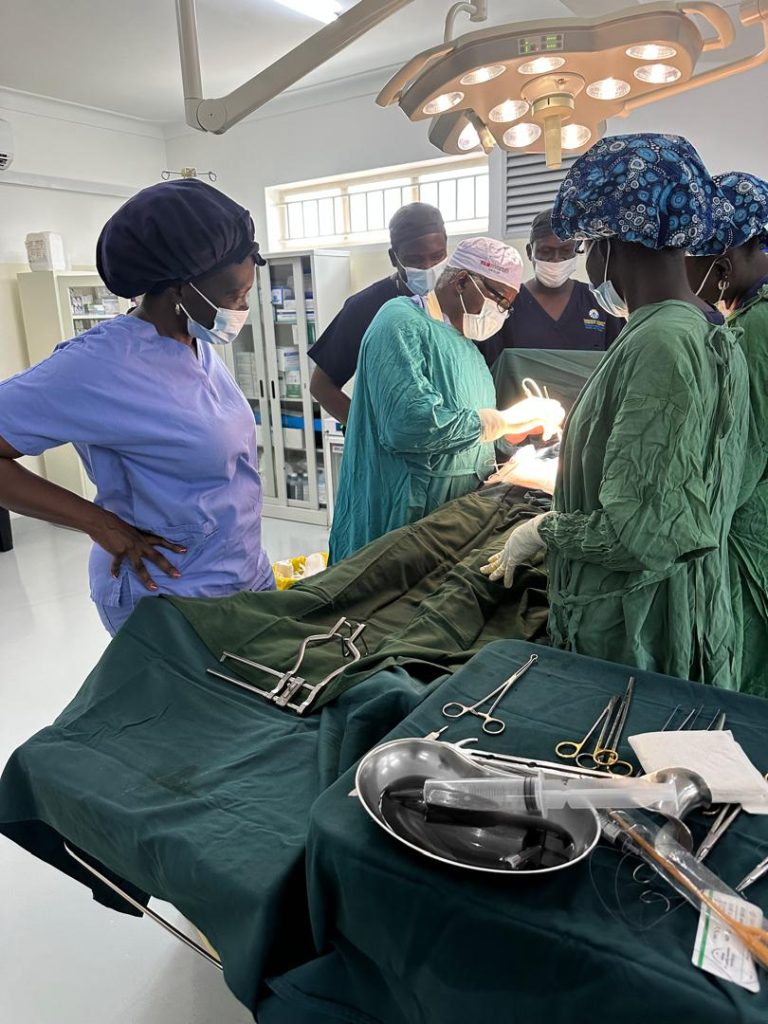 She attributed the gains to collaboration with the Ministry of Health, medical professionals, media, and development partners, but acknowledged that awareness efforts had slowed in recent years.
“The main reason for this workshop is to revamp community awareness because we had lost some commitment,” she added.
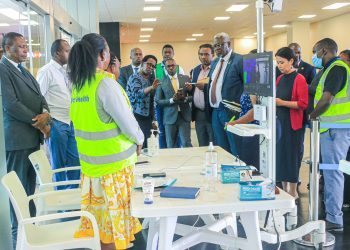
TERREWODE Women’s Community Hospital continues to play a central role in treatment and recovery, operating круглосуточно and admitting an average of 10 patients daily. About 78% of cases require surgery.
Despite progress in treatment, Emasu emphasized the need to shift focus toward prevention, noting that obstetric fistula is largely caused by prolonged obstructed labor and gaps in access to quality maternal healthcare.
Uganda still records approximately 1,900 new cases annually, underscoring the urgency of improving emergency obstetric services, strengthening referral systems, and expanding community education.
Encouragingly, maternal health indicators have improved over the past decade, with maternal mortality declining significantly due to increased access to skilled birth attendance and healthcare facilities.
The Soroti workshop also highlighted the importance of media engagement in amplifying awareness, particularly in underserved regions where cases are most prevalent. Survivors’ testimonies added a human dimension to the discussions, reinforcing the need for a holistic approach that combines treatment, psychosocial support, and economic reintegration.