


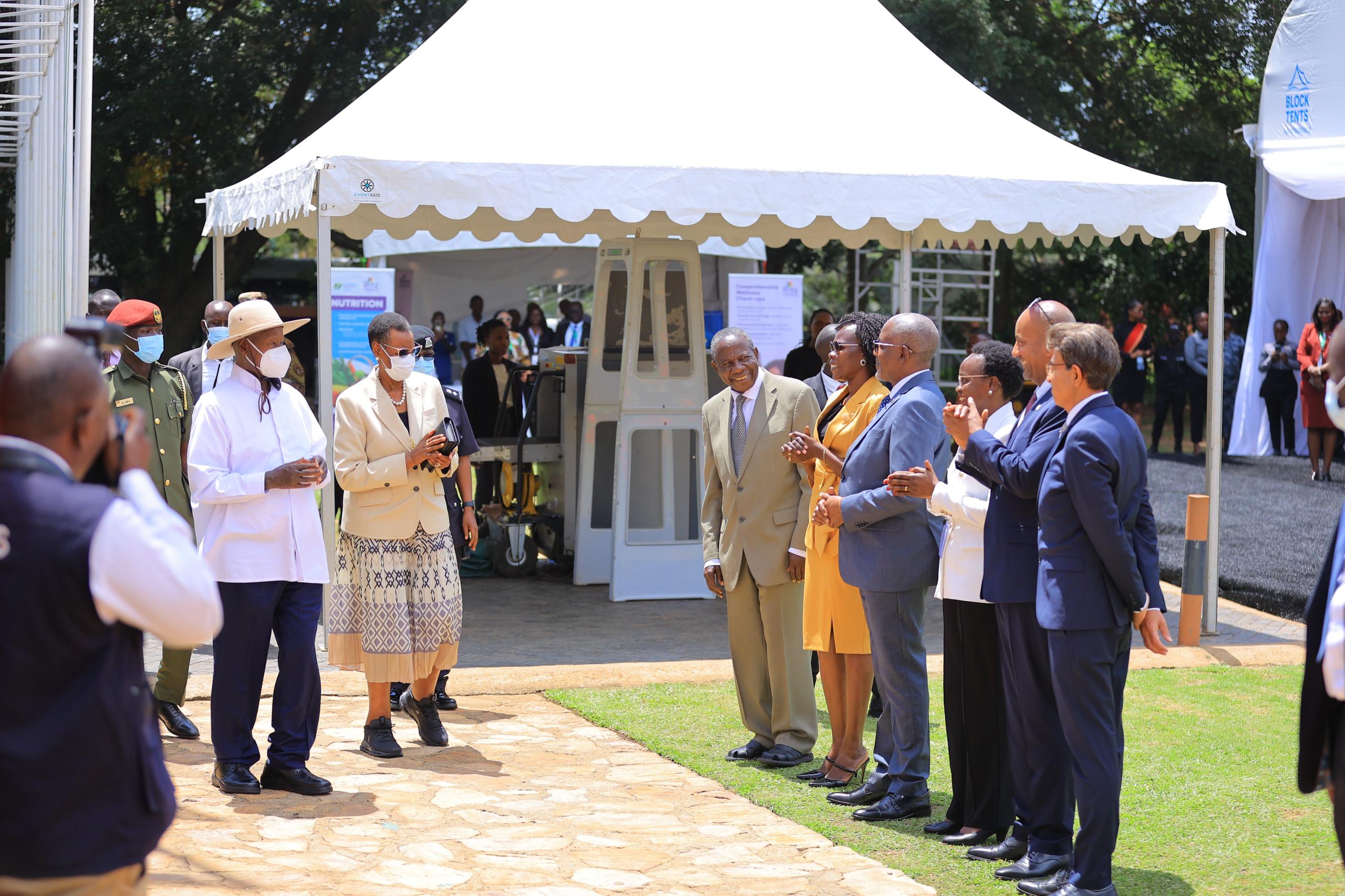
KAMPALA, UGANDA – President Yoweri Kaguta Museveni has strongly criticized commercial banks in Uganda for what he termed as “omululu omululu” excessive greed , accusing them of fueling Africa’s economic dependence through exorbitant interest rates and short-term lending practices.
Speaking at the inaugural Uganda Development Finance Summit 2025, held at Speke Resort Munyonyo , the President lashed out at commercial lenders for offering crippling interest rates, often as high as 22% per annum, which he said only enable speculative ventures like import trading rather than genuine, productive business.
“You borrow 1 million and by the end of the year you must pay back 1.22 million , how do you expect someone to build a factory with that?” the President asked. “That’s why people resort to quick-return businesses like importing hair from China or perfumes from Dubai. This is not transformation, this is dependency.”
Museveni emphasized that such financial practices undermine Africa’s development by promoting consumption of imports rather than investment in value addition, manufacturing, or infrastructure.
“The Answer is UDB” – President Museveni
The President pointed to the Uganda Development Bank (UDB) as the only reliable long-term financing institution geared toward Uganda’s transformation agenda.
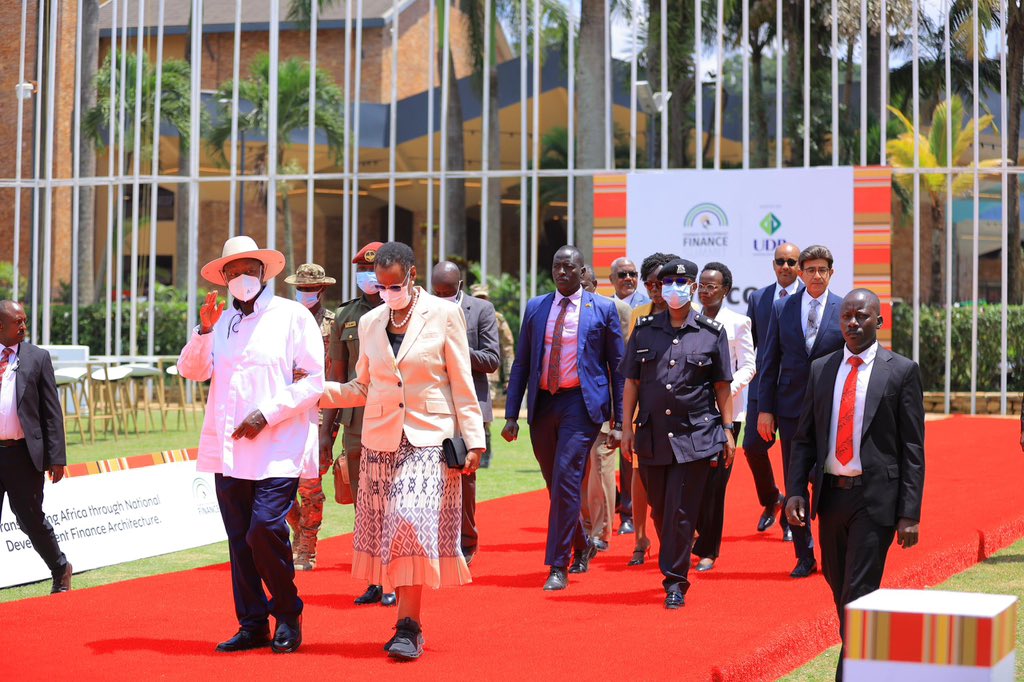 “UDB is a sure guarantee, because this one is ours. All the others may come or not, but they are not under our control,” Museveni said, stressing the need for sovereign financial tools that align with national priorities.
He questioned why development finance institutions, including UDB, still offer double-digit interest rates like 15%, despite Uganda’s inflation consistently remaining below 5%.
“What are you protecting against with 15% interest when inflation is only 3%?” Museveni asked. “What we need is patient capital, not profit-maximizing schemes.”
Summit Aims to Reshape Africa’s Financial Future
The Uganda Development Finance Summit 2025 brought together global development finance experts, government officials, civil society leaders, and private sector actors under the theme: “Transforming Africa Through National Development Financing Architecture.”
The summit’s goal is to accelerate inclusive and sustainable economic transformation by rethinking how African nations fund their development ambitions.
Key objectives of the summit included: Exchanging Best Practices in development finance, Strengthening Public-Private Collaboration, Exploring Innovative Financing Tools like blended finance and climate instruments, Making Policy Recommendations that align with global sustainability goals among others.
National Development Banks: Catalysts for Transformation
In her opening remarks, Dr. Patricia Ojangole, Managing Director of UDB, emphasized the indispensable role of national development banks in bridging financing gaps in key sectors such as agriculture, manufacturing, infrastructure, and ICT.
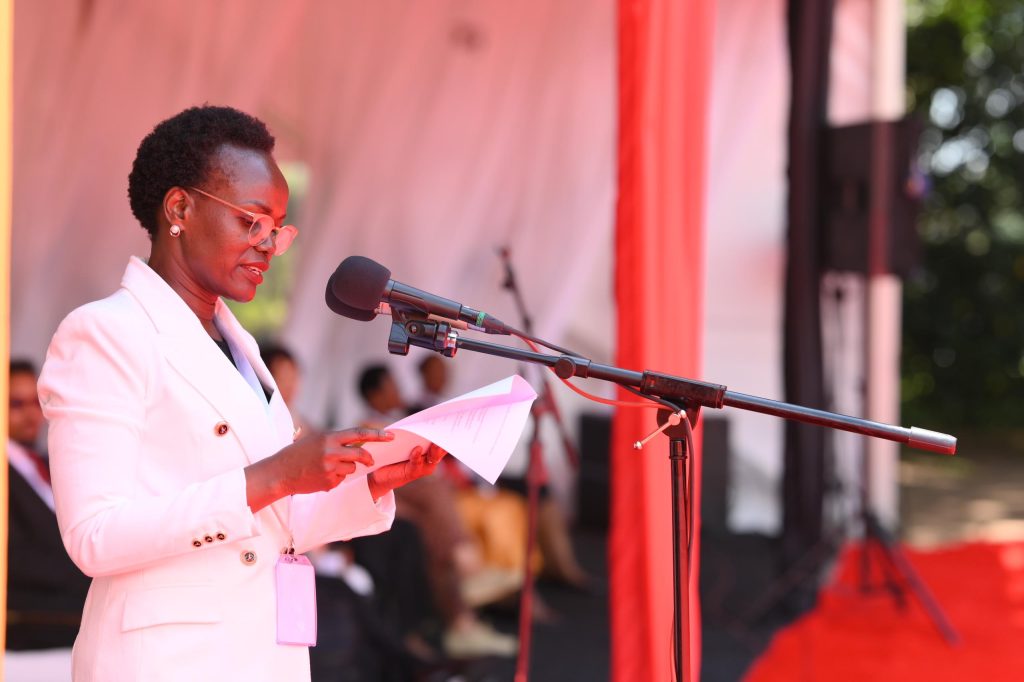
Dr. Ojangole called for national development banks to evolve beyond just lenders to become architects of development ecosystems that build local capacity, mobilize global capital, and drive job creation.
“Africa’s transformation will not be imported,” she declared. “It must be financed, built, and led from within.”
Geopolitical Shifts, Youth Unemployment, and Climate Change: Africa’s Crossroads
Geoffrey T. Kihuguru, UDB Board Chairman, echoed similar sentiments, stating that development banks must be thought leaders and catalysts of structural change.
“The world is facing overlapping crises from climate shocks to global value chain disruptions,” he said. “National development banks must lead in designing inclusive, gender-sensitive, and resilient financing solutions.”
Arshad Rab, CEO of the European Organisation for Sustainable Development and keynote speaker, emphasized the potential of Africa to leapfrog traditional economic models using disruptive technologies and innovation.
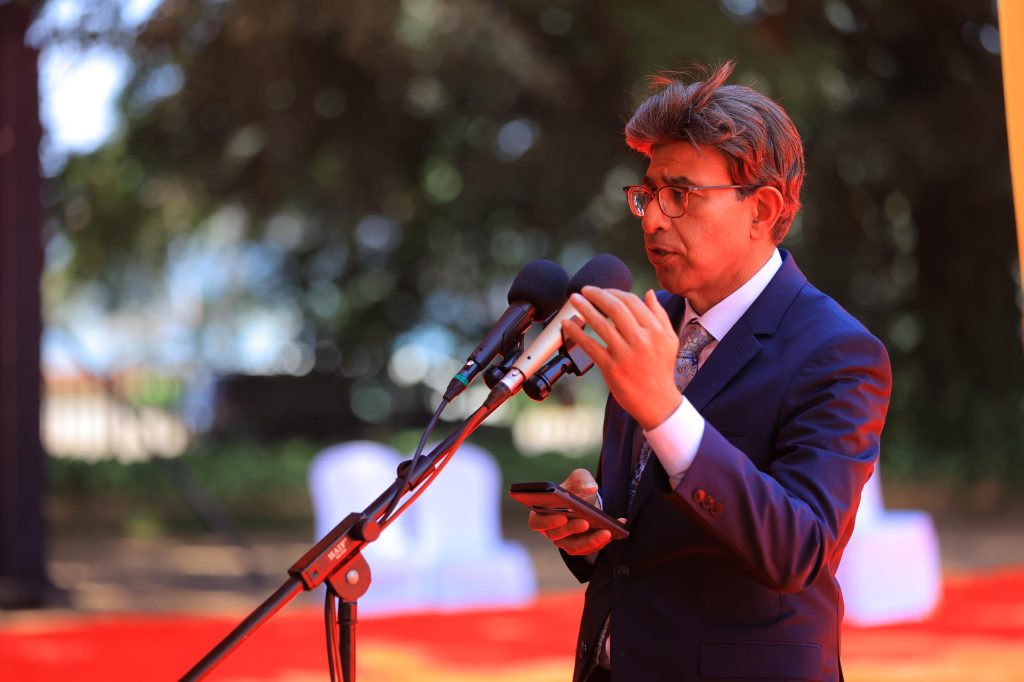
“This is not the age of slow development. With the right strategies, nations can achieve ten-fold GDP growth in years, not decades,” Rab said. “National development banks are key to unlocking this new era.”
Uganda’s Economic Vision: From $50 Billion to $500 Billion by 2040
Finance Minister Matia Kasaija reaffirmed Uganda’s commitment to transformation, outlining the government’s ambition to grow GDP tenfold to $500 billion by 2040, powered by four anchor sectors: Agro-industrial development, Tourism, Minerals and oil & gas, Science, technology, and innovation
“This is not just ambition. This is the path to ending generational poverty and creating decent jobs for our youth,” Kasaija said. “UDB and other national development banks must play a leading role in unlocking the capital required to realize this vision.”
A Continental Awakening
The summit also highlighted the resurgence of national development banks across Africa, reversing the dismantling trend that followed the structural adjustment programs of the 1980s.
“Most African countries are either reviving or creating new development banks,” said Dr. Ojangole. “Private banks have failed to meet the financing needs of transformative sectors. It’s time for a new financial architecture.”
About the Uganda Development Finance Summit
The 2025 Summit marked a historic moment in redefining Africa’s development narrative, bringing stakeholders together to create actionable strategies for sustainable growth. Convened by the Uganda Development Bank, it set the stage for bold reforms, innovative financing, and a shared commitment to build a resilient, self-reliant Africa.