


The Government of Uganda has reaffirmed its commitment to removing barriers that continue to hinder the growth of Micro, Small and Medium Enterprises (MSMEs), with a renewed focus on helping more businesses transition into the formal economy.
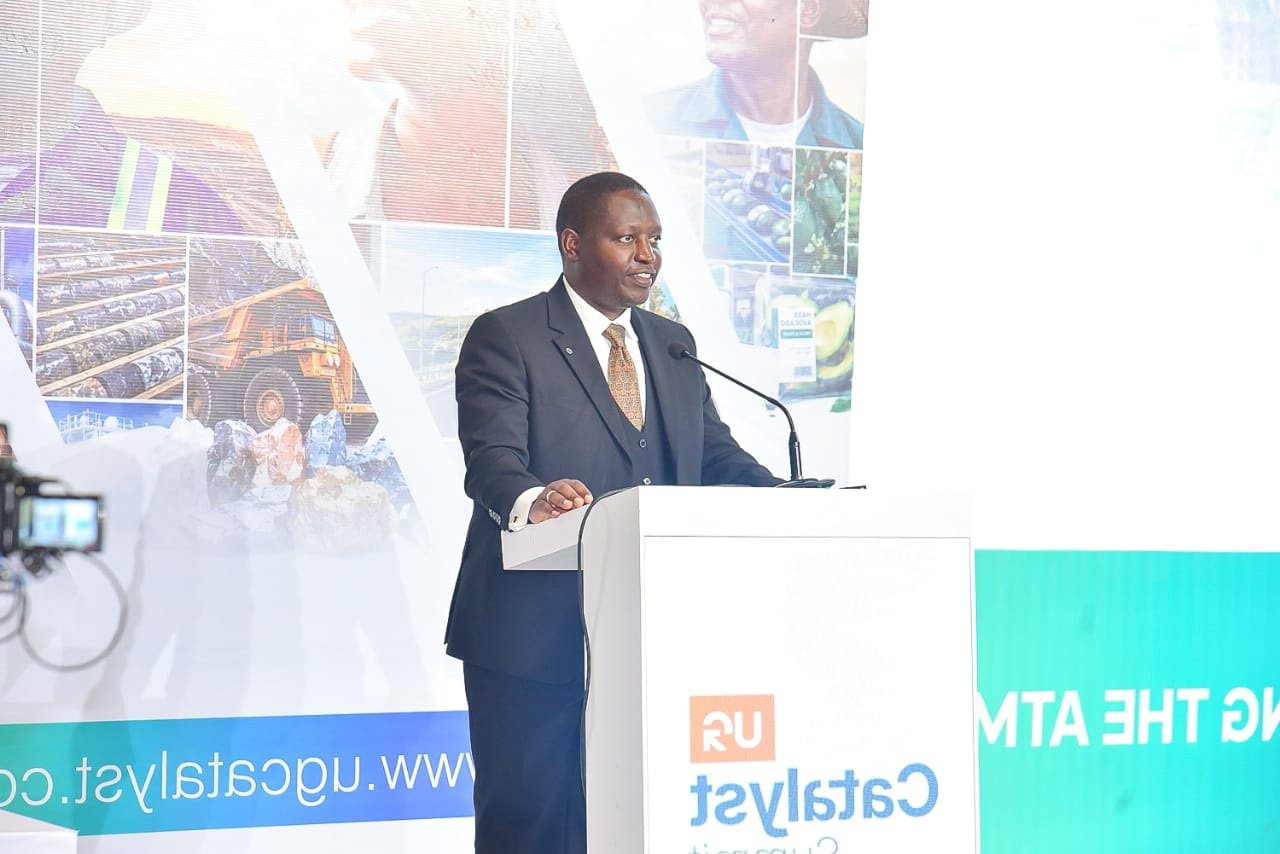
Speaking during the United Nations MSME Day celebrations at the inaugural UG Catalyst Summit held at MoTIV in Kampala, the Minister of State for Industry, Hon. David Bahati, said the government is implementing reforms aimed at reducing the cost of doing business, improving access to finance, simplifying business registration and expanding market opportunities for small enterprises.
The summit was held under the theme, “Reducing Barriers for MSMEs to Enter the Formal Economy: Formalize to Rise.”
Bahati said MSMEs remain the backbone of Uganda’s economy, with about one million enterprises contributing nearly 75 percent of the country’s Gross Domestic Product (GDP) and employing approximately 2.5 million people, representing about 90 percent of the non-farm private sector workforce.
Despite their contribution, he noted that many businesses struggle to survive, revealing that one in every five enterprises closes within its first year while more than half remain informal.
He attributed the high failure rate to limited knowledge about formalization, inadequate record-keeping, restricted access to affordable credit and negative business mindsets.
The minister said government is addressing these challenges through initiatives such as Emyooga, the Parish Development Model (PDM), Presidential Industrial Hubs, industrial parks and business incubation centres that support innovation, entrepreneurship and skills development, particularly among youth, women and persons with disabilities.
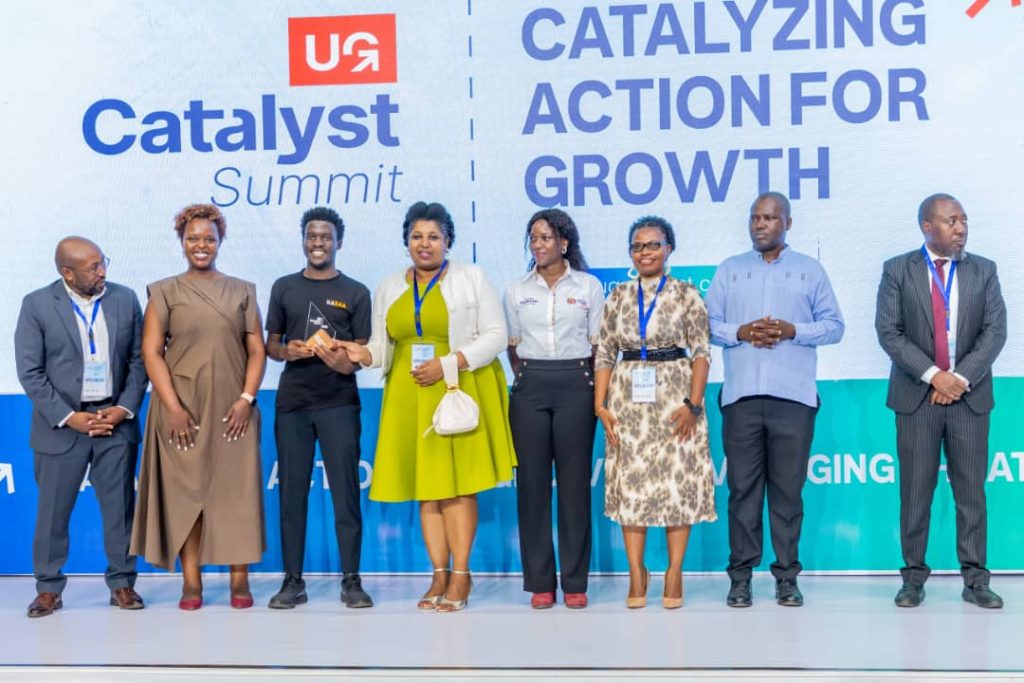
Bahati also applauded the National Planning Authority (NPA) and MoTIV–The Innovation Village for organizing the inaugural UG Catalyst Summit, saying the initiative complements the Fourth National Development Plan (NDP IV) by creating a platform for transforming enterprise priorities into practical interventions that will accelerate Uganda’s economic transformation.
He reaffirmed the Ministry’s commitment to supporting MSMEs through value addition, technology adoption and improved market access while recognizing enterprises that have excelled in innovation, productivity and sustainable business practices.

Meanwhile, Sarah Kagingo, Vice Chairperson of the Board of Directors at the Private Sector Foundation Uganda (PSFU), said the foundation has evolved from supporting business start-ups to building an ecosystem that enables youth-led enterprises to formalize, grow and compete sustainably.
Kagingo emphasized that empowering young entrepreneurs through MSMEs remains one of the most effective strategies for driving Uganda’s economic growth, creating jobs and promoting inclusive development.
The annual United Nations MSME Day, officially observed every June 27 since 2017, recognizes the critical role small businesses play in achieving the Sustainable Development Goals through job creation, innovation and economic development.