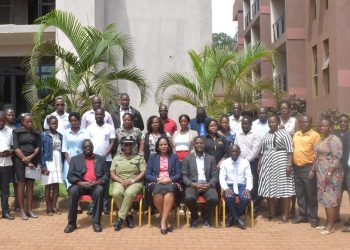



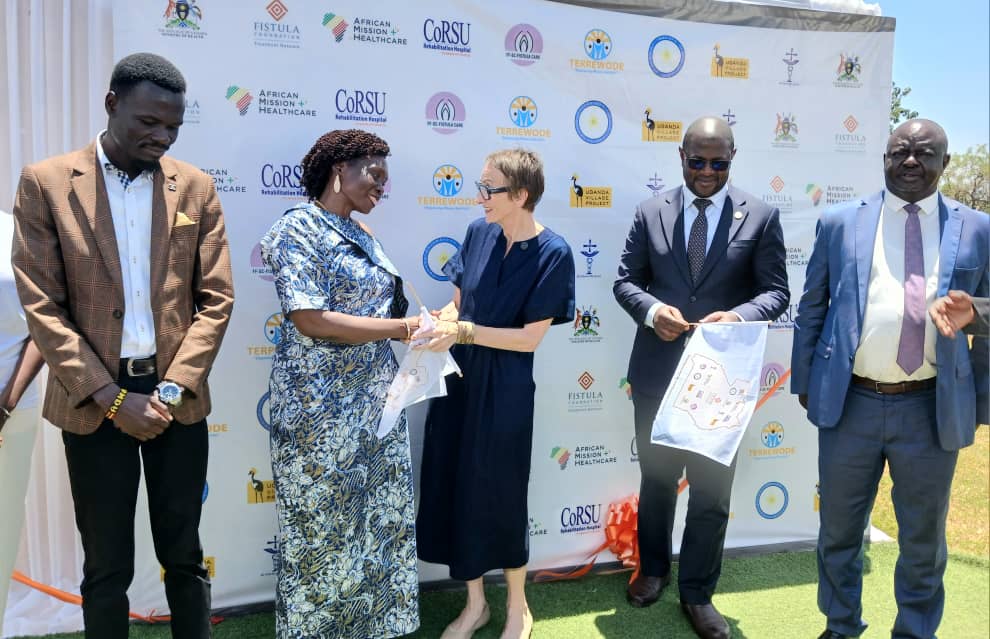
SOROTI — Uganda has taken a major step towards eliminating obstetric fistula with the launch of the Fistula Foundation Treatment Network (FFTN), a coordinated national alliance aimed at expanding access to prevention, treatment and rehabilitation for women affected by the condition.
The network was launched on September 3, 2026, at Terrewode Women’s Community Hospital in Soroti, in partnership with the US-based Fistula Foundation.
Uganda becomes the sixth African country to join the initiative, following Kenya and Zambia.
The FFTN brings together specialised hospitals, government agencies, surgeons, community organisations, fistula survivors and the media to strengthen referrals, improve coordination and ensure that women receive timely and holistic care.
Speaking at the launch, Alice Emasu Seruyange, Executive Director and founder of Terrewode Women’s Community Hospital, described the network as a turning point following 27 years of efforts to fight fistula in Uganda.
“This marks a stronger collaboration, coordination and communication. When we come together with partners, the problem becomes lighter and access to care becomes easier,” Emasu said.
She said the network would enable stakeholders to move beyond treating individual patients to transforming the health system.
“Individually we treat patients, but as a network we have the opportunity to transform a health system. Together, we have the reach, expertise and voice that no single institution could achieve alone,” she said.
Emasu said Uganda has made progress in addressing the fistula burden, reducing the estimated backlog from about 200,000 women to between 140,000 and 170,000.
However, she said approximately 1,900 new cases are still recorded every year.
She attributed some of the progress to interventions aimed at addressing child marriage and defilement, which contribute to early pregnancies and childbirth complications.
Emasu emphasised that fistula is more than a medical condition, saying it affects women’s dignity, families and livelihoods.
“Fistula affects the whole woman, not just her body. It affects her health, her dignity, her family, her livelihood and her place within her community,” she said.
Government Moves to Decentralise Fistula Care
The Guest of Honour, Dr. Ronnie Bahatungire, Commissioner for Clinical Services at the Ministry of Health, said government is working to institutionalise fistula care within Uganda’s national health system.
He said gynaecology courses have been rolled out at Mbarara University of Science and Technology, while a short fistula course has also been introduced for intern doctors in partnership with the Association of Obstetricians and Gynaecologists of Uganda.
“Every gynaecologist should be able to do a routine fistula check,” Dr. Bahatungire said.
He added that reintegration of women who have undergone treatment should also address their emotional and social wellbeing.
“Reintegration begins when we take a mother and restore their minds,” he said.
Dr. Bahatungire said regional referral hospitals will be equipped to manage fistula cases as part of efforts to decentralise specialised care and bring services closer to affected women.
He also called on local leaders in Soroti, including Resident City Commissioner John Michael Okurut and District LC5 Chairperson Hon. Owiny Bob, to intensify community sensitisation against teenage pregnancy, which he identified as a key driver of obstetric fistula.
Fistula Foundation Pledges Continued Support
Fistula Foundation CEO Pamela Lowney said the organisation has supported more than 8,600 fistula surgeries in Uganda since 2011.
“No woman should be left behind. Every woman deserves healing,” Lowney said.
Partners in the new network include Terrewode Women’s Community Hospital, CoRSU Hospital, Kitovu Hospital, Mbarara Surgical Centre, Uganda Childbirth Injury Fund, Uganda Village Project and Africa Mission Healthcare.
Emasu said the launch represents a renewed commitment to national and regional efforts to eliminate fistula and other childbirth-related injuries.
“Today marks a revival of national and regional efforts to eliminate fistula and related childbirth injuries. It is an opportunity to renew the momentum we have built together and take it further through a stronger and more coordinated system of care,” she said.
The network is expected to address gaps in the current system by ensuring that women with fistula are identified early, referred promptly, treated with dignity and supported to reintegrate into their communities without stigma.