


KAMPALA, Uganda — The Government of Uganda has intensified efforts to ensure women fully benefit from regional trade opportunities under the East African Community (EAC), with renewed commitments to information sharing, capacity building, and cross-border partnerships.
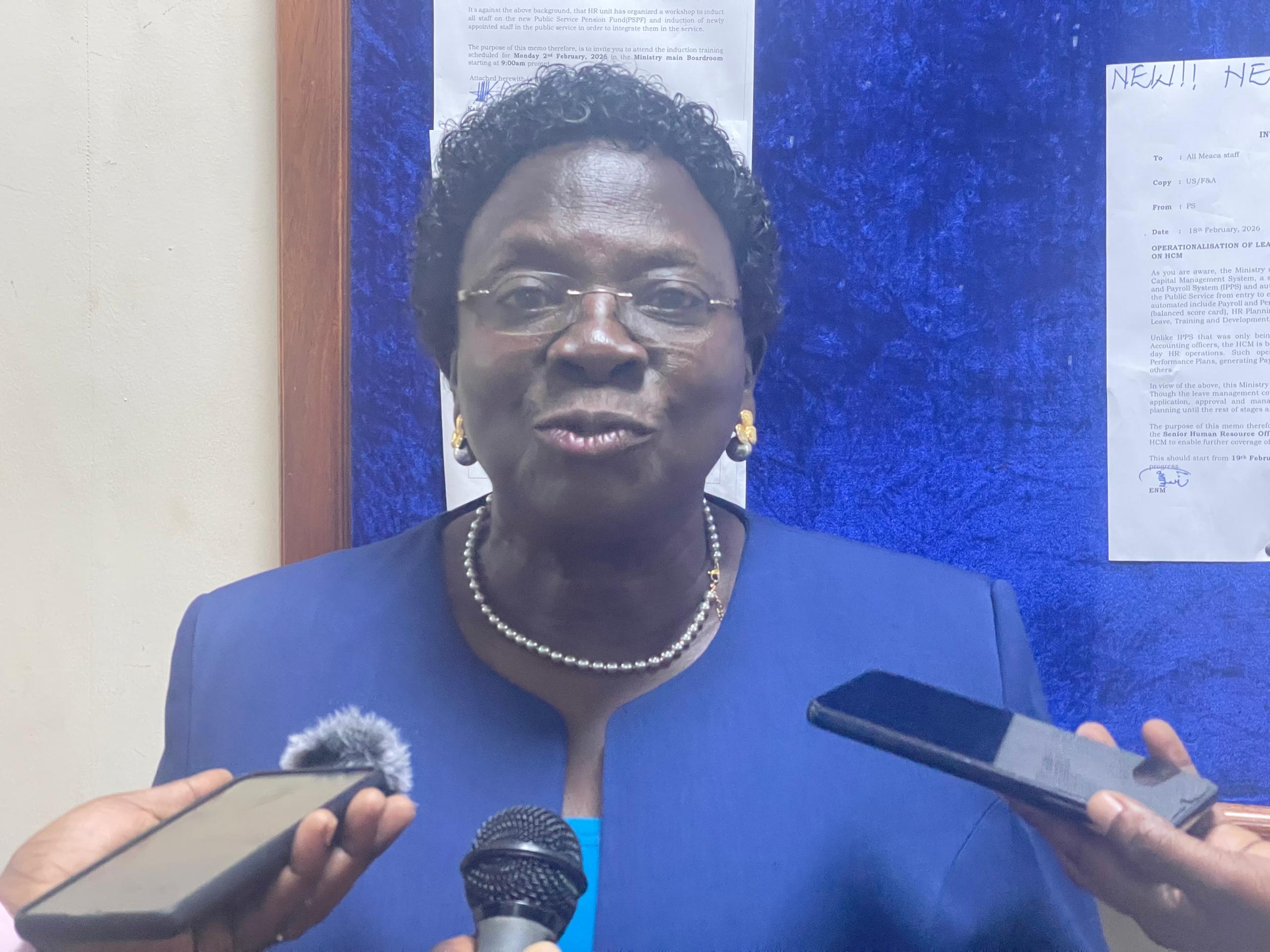
Speaking during a high-level stakeholder meeting in Kampala, Mrs. Edith Mwanje, Permanent Secretary in the Ministry of East African Community Affairs, emphasized that empowering women in trade remains central to the EAC integration agenda.
“We are asking ourselves whether women are aware of the regional interventions and whether they are truly benefiting from them,” Mwanje said. “This includes access to market information, product standards, and knowledge of where and how to trade.”
Focus on Information and Exposure
Mwanje highlighted that one of the biggest barriers facing women traders is limited access to information. To address this, the ministry is working with partners to improve sensitization efforts and ensure women entrepreneurs understand trade procedures, tax requirements, and market opportunities across the region.
She pointed to initiatives such as the Jua Kali/Nguvu Kazi regional exhibitions, which rotate among EAC partner states, as key platforms for empowering women-led businesses.
“These exhibitions allow women to showcase their products, learn from others, and gain exposure to larger markets,” she said. “When they see what others are doing, they gain confidence and improve their own enterprises.”
Strengthening Regional Collaboration
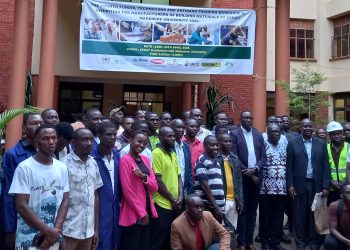
The meeting, convened by development partners including Caritas Uganda, CARE International and Horizont3000, focused on enhancing women’s participation in trade and leadership, particularly during Women’s Month.
Lillian Mpabulungi Ssengooba, a technical adviser working with Horizont3000 and CARE, noted progress in women’s representation and cross-border trade participation but stressed that challenges remain.
“We are seeing more women engaging in trade and leadership, but issues like gender-based violence, limited access to finance, and lack of collateral still hinder their growth,” she said.
She added that mentorship, coaching, and stronger enforcement of gender equality provisions under the EAC treaty are essential to unlocking women’s economic potential.
Policy Frameworks and New Strategies
The EAC treaty, particularly Articles 5(3e), 121, and 122—mandates gender mainstreaming and recognizes women as critical drivers of socio-economic transformation. In line with this, the bloc has developed several frameworks, including the EAC Gender Policy (2018), and is currently finalizing a new strategy aimed at supporting women in business.
At the national level, Uganda has introduced initiatives such as One Stop Border Posts to ease trade and the GROW project to support women entrepreneurs in scaling their businesses.
Additionally, Uganda’s current chairmanship of the EAC is expected to amplify women-focused policies and ensure that regional decisions reflect grassroots realities.
Addressing Trade Barriers
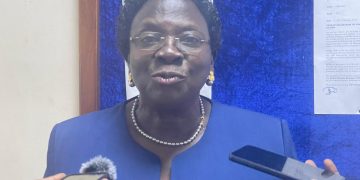
First Deputy Prime Minister and Minister for EAC Affairs, Rebecca Kadaga, acknowledged persistent challenges, including non-tariff barriers and unequal trade practices among partner states.
“Integration is not easy because each country prioritizes its citizens,” Kadaga said. “But we must ensure fairness and implement agreed measures, including sanctions for non-compliance.”
She also raised concerns about local traders being disadvantaged by foreign competitors and called for stronger enforcement of trade regulations to protect Ugandan businesses.
Development Partners Back Women’s Empowerment
Development partners, including the Austrian Development Cooperation, reaffirmed their commitment to supporting women in trade.
Beate Farukuoye, a governance advisor at the Austrian Embassy in Kampala, said empowering women economically is key to broader social transformation.
“Economic empowerment leads to leadership and long-term development,” she said. “While progress is visible, more needs to be done to address systemic challenges like exploitation by middlemen and social norms that limit women’s growth.”
During the meeting, stakeholders agreed to institutionalize regular engagements at least every six months to assess progress, identify gaps, and strengthen collaboration between government and partners.