


The sound of an alarm from a small hill in Tooro Kingdom, in western Uganda marked the beginning of mourning for a king whose death has left the country reflecting on a remarkable life that began in childhood.
Members of the Basiita clan gathered at a kaswa, a small raised hill, on Friday morning to formally announce the death of Tooro’s King Oyo Nyimba Kabamba Iguru Rukidi IV.
The announcement was part of Tooro’s customary way of communicating the death of a reigning monarch.
BlBeyond the kingdom’s traditional structures, news of King Oyo’s death has triggered an outpouring of grief across Uganda.
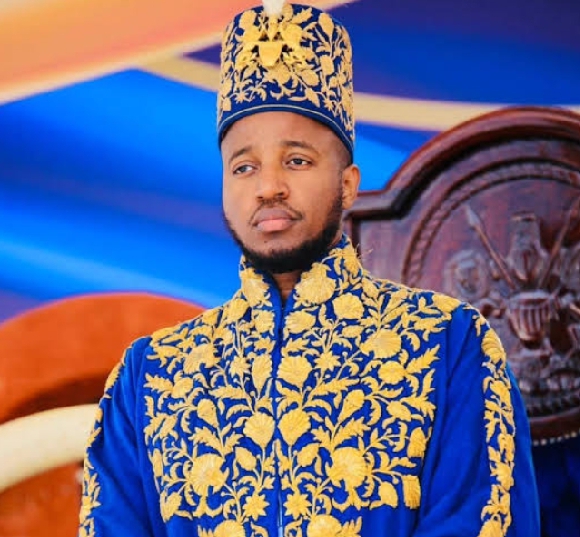
Political leaders, cultural figures, religious leaders, entertainers and youth advocates, through their social media pages, remembered a monarch who was crowned at just three years old in 1995 and grew into one of the country’s most recognisable traditional leaders.
Uganda’s Chief of Defence Forces, Gen Muhoozi Kainerugaba, said the country had lost a great royal at a very young age, adding that King Oyo still had much to contribute to Uganda.
For many who followed his journey, King Oyo’s story was unusual from the beginning.
His coronation as a child attracted international attention, with images of the young king playing with toys and balloons becoming one of the defining moments of his early reign.
But as he grew older, King Oyo increasingly became known for causes that extended beyond the traditional role of a monarch.
Journalist Sudhir Byaruhanga recalled the king’s 2022 climb of Margherita Peak in the Rwenzori Mountains, undertaken as part of efforts to raise awareness about climate change and environmental conservation.
Businessman and political figure Odrek Rwabwogo similarly remembered him as a modern leader who championed environmental protection, enterprise, agriculture and tourism.
He said King Oyo would also be remembered for his Christian faith, humility and concern for the welfare of his people.
The tributes have come from across Uganda’s cultural institutions.
The King of Busoga, Wilberforce Gabula Nadiope IV, described King Oyo as a visionary traditional leader whose humility and efforts to preserve culture while inspiring young people had left a lasting mark on Tooro, Uganda and beyond.
He said the country had lost an important cultural voice whose legacy would endure for generations.
From Buganda, Katikiro Charles Peter Mayiga said the death had been received with shock and deep sadness. He said he had conveyed the news to Kabaka Ronald Muwenda Mutebi II, who was saddened by the death of the 34-year-old monarch.
The Kabaka urged the people of Tooro to remain united during the period of mourning, Mayiga said, adding that Buganda stood with Tooro and the wider Ugandan public.
Archbishop Stephen Kaziimba of the Church of Uganda said he had contacted Bishop Reuben Kisembo of Ruwenzori Diocese to convey condolences to the royal family, the diocese and the people of Tooro.
He said the Church stood with the kingdom in its grief, drawing comfort from the biblical words: “I have fought the good fight, I have finished the race, I have kept the faith.”
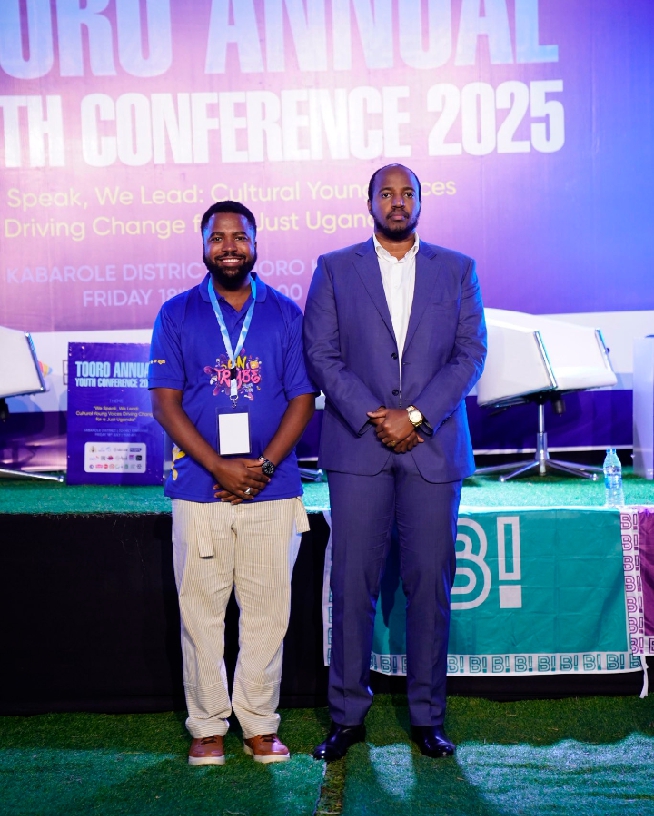
King Oyo’s death has also been felt among Uganda’s youth organisations.
Humphrey Nabimanya, founder of Reach a Hand Uganda, remembered the king as a patron and supporter of young people.
He said King Oyo had shown that traditional culture and modern progress could coexist, and that his support for youth programmes had helped young Ugandans find confidence and platforms to express themselves.
Musician Juliana Kanyomozi described the death as a dark day for Tooro, while Kitgum District Woman MP Lillian Aber called it a profound loss to Uganda.
The Uganda Revenue Authority also mourned the king, extending condolences to the Queen Mother, the royal family and the people of Tooro.
The breadth of the tributes reflects a legacy that extended well beyond the royal palace.
King Oyo inherited the Tooro throne as a toddler, but spent his adult years building an identity as a cultural leader engaged with environmental conservation, tourism, agriculture, faith and the aspirations of young Ugandans.
Now, as traditional mourning rituals begin in Tooro, Ugandans from different walks of life are remembering a king who grew up in the public eye and died at 34, leaving behind a kingdom and a country in grief.