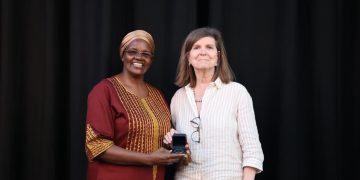



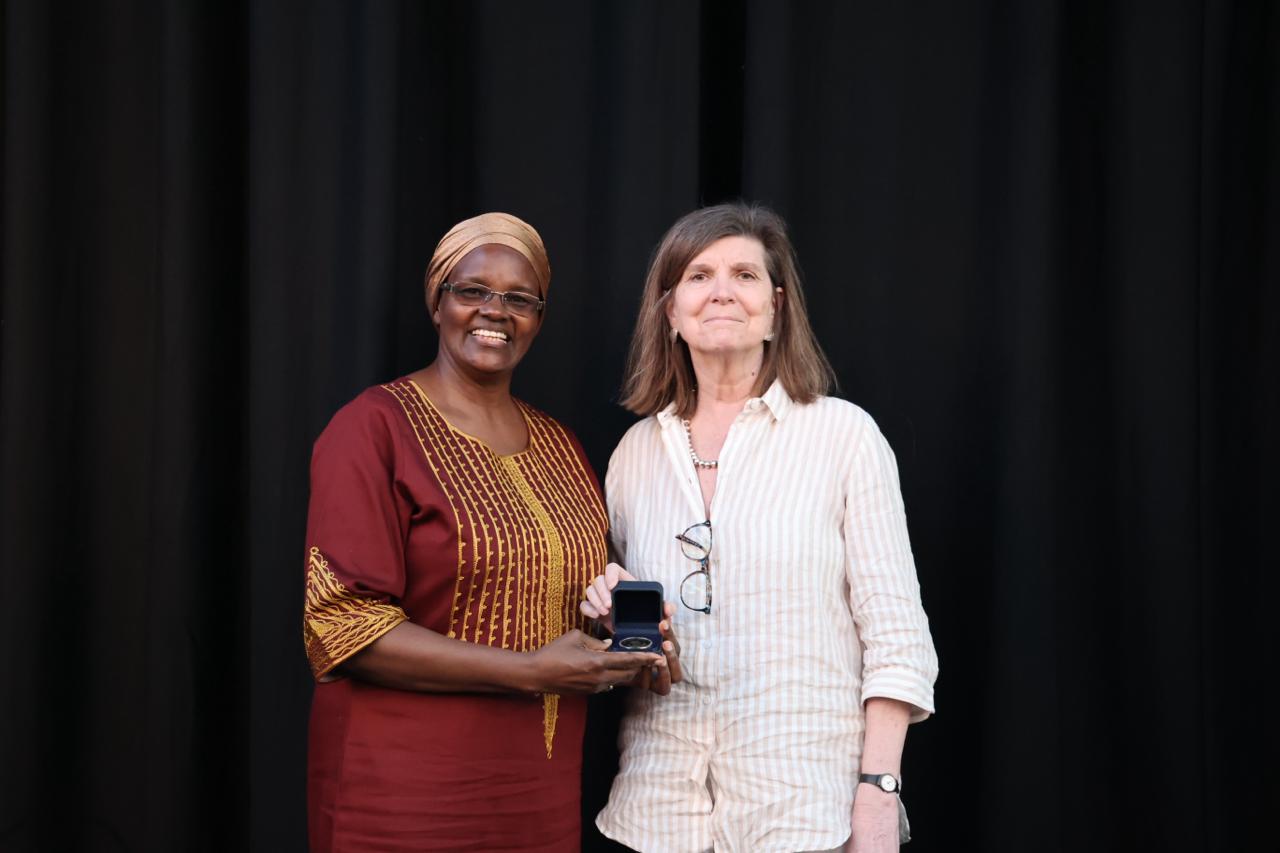
WAKISO, UGANDA — Ugandan health advocate Regina Mariam Namata Kamoga has been recognized among eight global female trailblazers championing the fight against antimicrobial resistance (AMR), one of the most serious threats to global health today.
The prestigious recognition was awarded under a global programme organized by the Fleming Initiative in partnership with CSIRO, Australia’s national science agency. The awards ceremony took place between 17th and 20th, February 2026 in Sydney, Australia, bringing together women leaders from different parts of the world who are making significant contributions to combating antimicrobial reresistance.
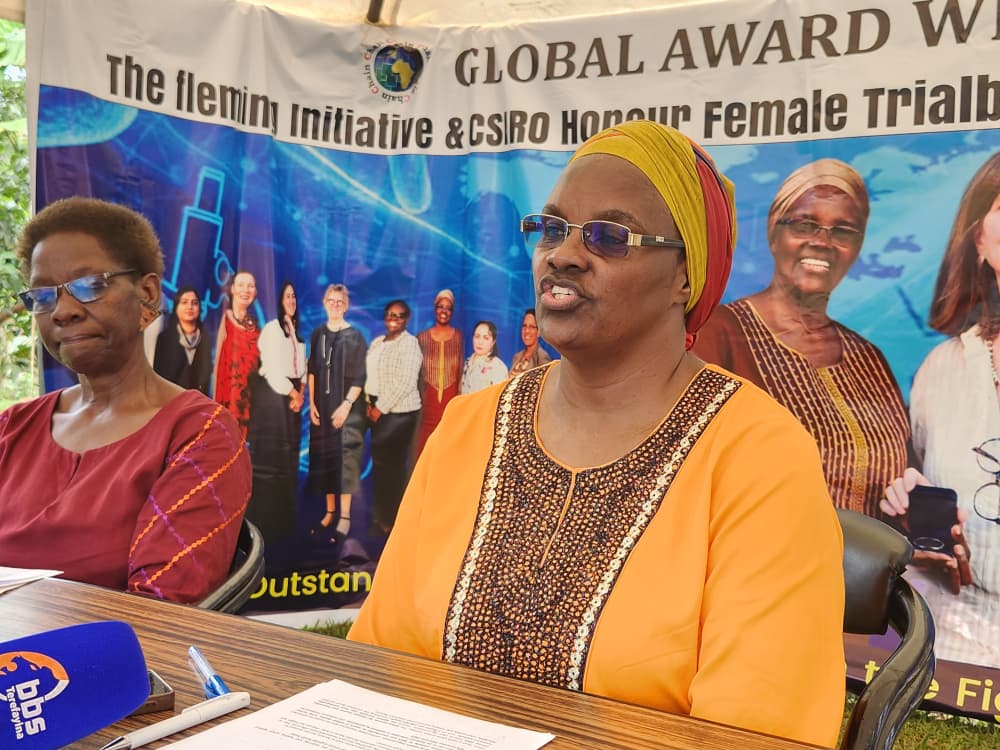
Commenting on this milestone, Ms. Kamoga who is the Executive Director of the Community Health and Information Network (CHAIN), has described antimicrobial resistance as a growing global emergency that requires urgent action from governments, health professionals and communities.
“Distinguished members of the media, partners, colleagues and friends, antimicrobial resistance, usually referred to as AMR, is silently ravaging the world. It is threatening the medicines that have worked for years and years,” Kamoga said.
She warned that the growing resistance to antibiotics could undermine modern medicine and make even the simplest infections deadly.
“When antibiotics stop working, it is scary and we should all be afraid. We are sitting on a time bomb that is about to explode, and when it does it will affect all of us. Very simple infections become complicated to treat and life-saving procedures like surgeries and childbirth become extremely risky. People begin dying from infections that were once easily preventable,” she explained.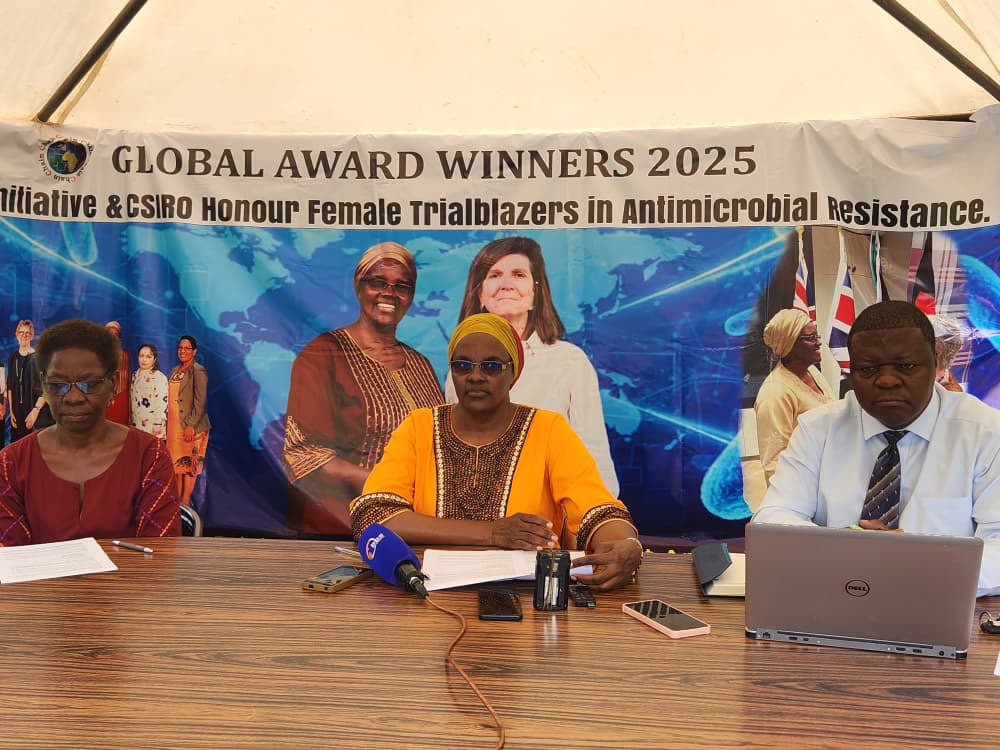 Kamoga said the purpose of the briefing was not only to celebrate the international recognition but also to draw attention to the urgency of antimicrobial resistance and the need for collective action.
“Today we are gathering to highlight the urgency of this growing global threat but also to celebrate a recognition that shines a light on the critical role communities play in addressing global challenges, particularly antimicrobial resistance,” she said.
According to the World Health Organization, antimicrobial resistance directly caused an estimated 1.27 million deaths worldwide in 2019 and contributed to nearly five million deaths globally. The organization further estimates that one in six bacterial infections is resistant to antibiotics, while resistance levels increased by about 40 percent between 2018 and 2023.
Africa faces an even greater burden. The Africa Centres for Disease Control and Prevention reports that the continent records some of the highest mortality rates from antimicrobial resistance globally.
Kamoga explained that several factors are fueling antimicrobial resistance in Uganda, including the easy access to antibiotics without prescriptions, misuse of medicines, low health literacy among communities, and the widespread use of antibiotics in livestock and poultry production.
She noted that addressing the crisis requires stronger community engagement and behavioral change.
“Antimicrobial resistance is not only a medical issue; it is a community and behavioural change issue. Solutions must start early, start locally, and start with people,” Kamoga said. “If we want antibiotics to continue saving lives tomorrow, we must empower communities to protect them today.”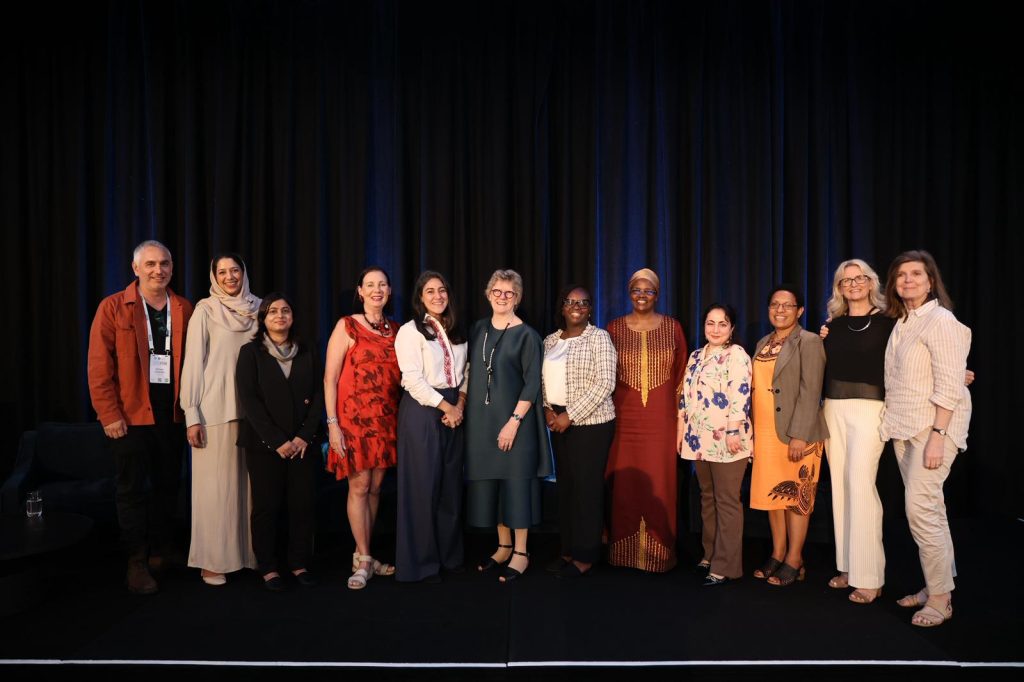 The international recognition honored eight women from across the world who have demonstrated outstanding leadership in addressing antimicrobial resistance. Kamoga was recognized alongside global leaders including Randa Bazzi from Jordan, Misbah Khan from the United Kingdom, Evelyn Wesangula from Kenya, Gabriella Ak from Papua New Guinea, Debra Goff from the United States, Sweety Suman Jha from India and Nour Shamas from Lebanon.
Also addressing journalists, Ms. Nalukenge Gladys Mary, CHAIN Programs manager, has emphasized the importance of prevention in tackling antimicrobial resistance and called for stronger support for national interventions.
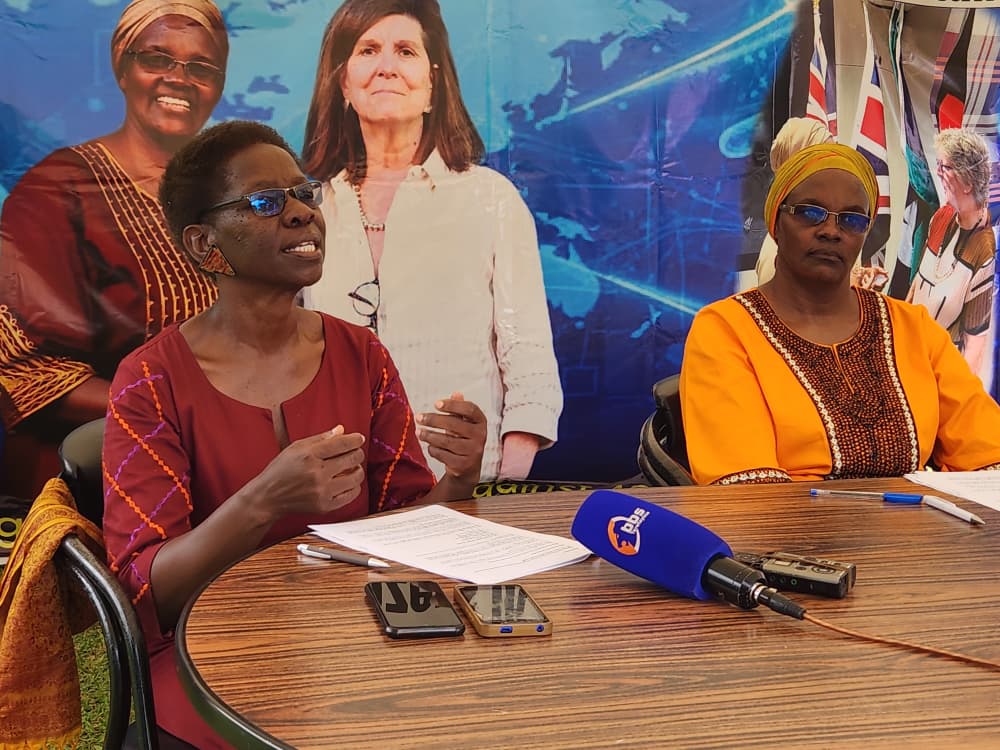
“Prevention remains the most effective solution to antimicrobial resistance. Governments and stakeholders must commit adequate funding to fully implement the National Action Plan so that communities are protected and antibiotics remain effective,” she said.
Dr. Nathan Muyinda, a medical trainer at CHAIN, said the milestone should also serve as a moment for reflection and renewed commitment in the fight against antimicrobial resistance.
“We are celebrating this milestone in antimicrobial resistance, but it is also a time for us to reorganize ourselves for the next phase of the campaign. For years we have talked about antimicrobial resistance, but progress has not been as strong as expected,” he said.
Dr. Muyinda explained that the fight against antimicrobial resistance had previously been viewed mainly as a responsibility of health workers, yet the problem involves many sectors of society.
“In the past we thought antimicrobial resistance was mainly a problem for health workers, but we now understand that it goes far beyond that. It involves farmers, food vendors, communities and many other actors,” he said.
He warned that misuse of medicines in livestock farming is also contributing to the growing crisis.
“Some farmers are giving antibiotics to chickens and even inappropriate medicines to animals simply to increase production. When people consume such meat, they are indirectly exposed to these drugs, which contributes to resistance,” Dr. Muyinda explained.
He emphasized that prevention strategies such as immunization, improved hygiene, safe food handling, proper nutrition and community awareness are critical in reducing infections and limiting the need for antibiotics.
The Community Health and Information Network (CHAIN) has been implementing community-based programs aimed at improving health literacy, promoting infection prevention and encouraging responsible use of antibiotics in both human and animal health.
Founded more than two decades ago, CHAIN is a Ugandan non-governmental organization that works with communities, health workers, patient organizations and policymakers to empower vulnerable populations with information and practical solutions that improve public health and patient safety.