


KAMPALA, Uganda — The Ministry of Health has identified Wakiso District and Kampala City as the areas with the highest number of children who miss routine immunisation, raising concern over the persistence of preventable childhood diseases.
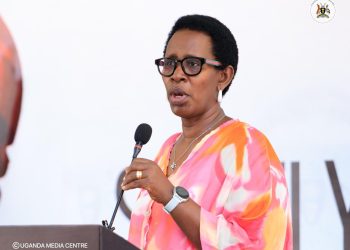
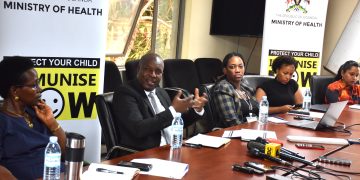
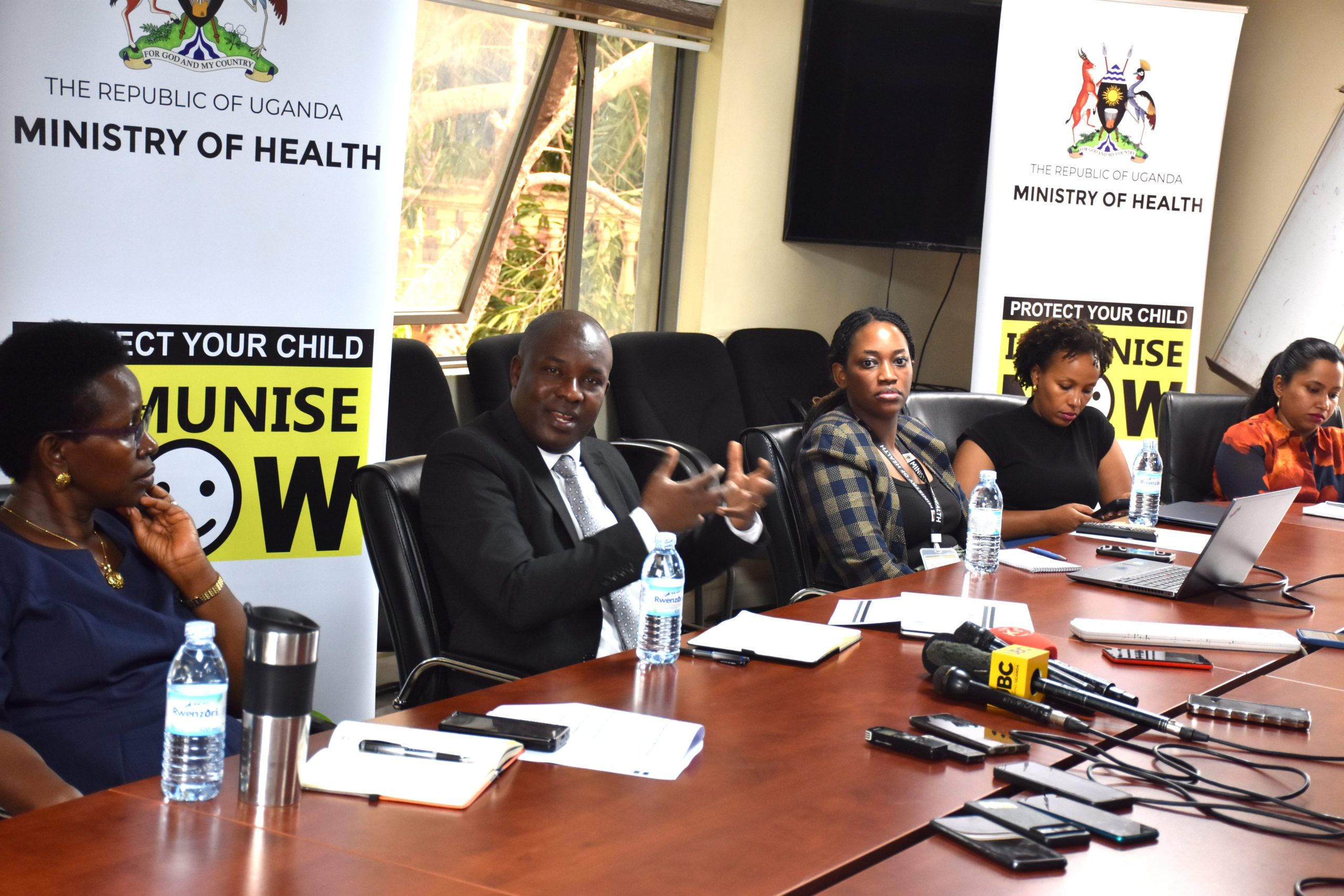
Speaking at the Ministry’s first monthly media breakfast meeting on the status of routine immunisation in Uganda, the Permanent Secretary, Dr. Diana Atwine, said many children in the two districts are left out during immunisation campaigns due to deliberate refusal by some parents.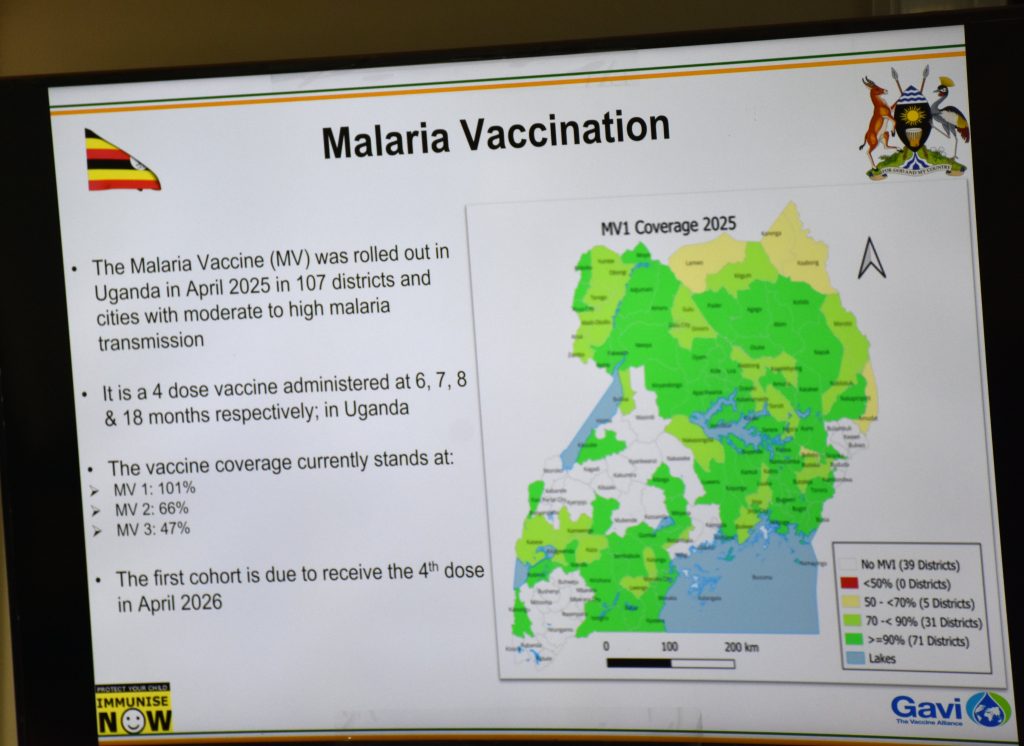 Dr. Atwine noted that this trend undermines government efforts to eliminate preventable diseases such as measles, which continue to affect children despite the availability of effective vaccines.
“Last year alone, more than two million children were born across the country. Without immunisation, these children are exposed to serious health risks,” Dr. Atwine said. “If parents continue to deny their children protection from treatable diseases, Uganda will keep grappling with illnesses that could easily be eliminated.”
Uganda currently provides vaccination against 14 diseases under its routine immunisation programme. These include polio, tuberculosis, measles and rubella, diphtheria, whooping cough, yellow fever, tetanus, rotavirus diarrhoea, childhood pneumonia and meningitis, malaria, and cervical cancer.
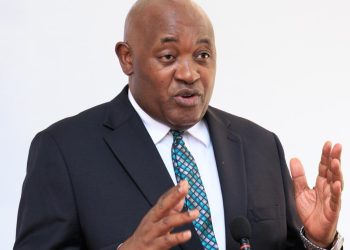
During the meeting, Dr. Michael Baganizi, Programme Manager of the Uganda National Expanded Programme on Immunisation (UNEPI), presented an overview of the vaccines administered and stressed the importance of completing vaccination schedules on time.
Dr. Baganizi also announced that Uganda has transitioned to a single-dose Human Papillomavirus (HPV) vaccine, administered to 10-year-old girls to prevent cervical cancer.
Emphasising continued public engagement, Dr. Atwine highlighted the role of the media in sustaining immunisation gains and countering misinformation.
On the recently introduced malaria vaccine, she urged parents to ensure that children receive all four doses for full protection against severe disease.
“Cancer is increasing exponentially. One of the biggest killer diseases among women is cervical cancer,” Dr. Atwine said. “Once we immunise all girls aged 10 years, we protect an entire generation from cervical cancer.”