


Yumbe District, Uganda — As the world marks World Food Day under the theme “Hand in Hand for Better Food and a Better Future,” ADRA Uganda has celebrated the occasion alongside refugees and host communities in West Nile through its ASPIRE project—a beacon of resilience, inclusion, and sustainable agriculture.
The Action for Strengthening Partnerships in Inclusion, Resilience and Education (ASPIRE) project, funded by NORAD through ADRA Norway, is a five-year initiative running from 2024 to 2028. It focuses on four key areas: climate-smart food production, technical and vocational education, peacebuilding, and psychosocial support—aimed at empowering refugees and surrounding communities to build a sustainable future.
Supporting Communities Through Agriculture
Speaking during the celebrations, Sam Businge, ASPIRE Project Manager, highlighted the project’s impact on food security.
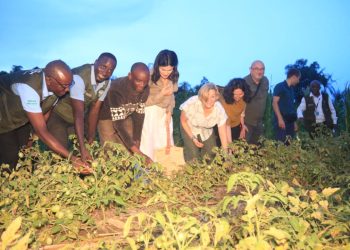
“Our project has mobilized 81 farmer groups, reaching over 2,200 members. We’ve opened 478 acres of land for block farming and vegetable production—growing rice, cassava, sorghum, and more. We also provide climate-smart seeds and solar irrigation systems to help communities thrive even during dry seasons,” Businge shared.
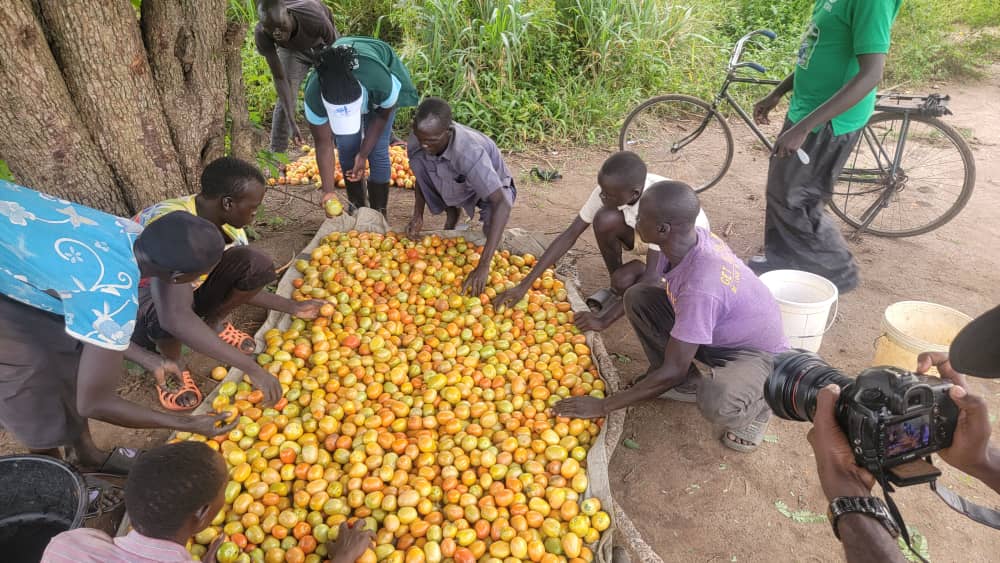
ASPIRE’s block farming approach—where land ranging from 10 to 180 acres is collectively cultivated—has become a game-changer in refugee settlements. It not only ensures food for consumption but also creates income opportunities through the sale of surplus produce.
School Feeding: A Path to Better Education
ASPIRE’s work extends beyond agriculture. With many schools in refugee communities unable to provide lunch, the project supports school-based farming initiatives to keep learners nourished and focused.
“We work with parents to grow food for schools. This way, children don’t have to go through the day hungry,” Businge said. “We’ve helped open land for schools and provided seeds, tools, and training.”
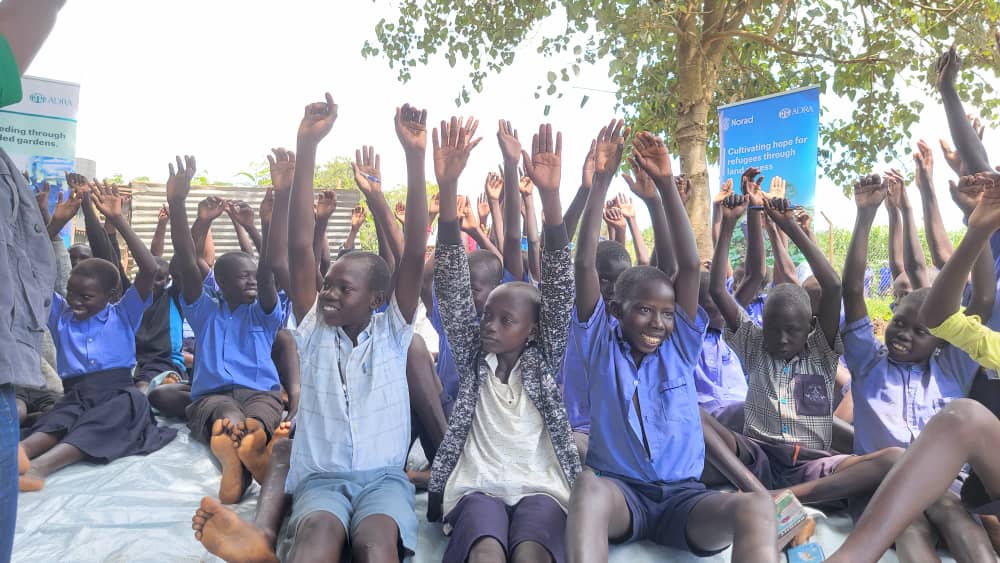
Mr. Abiriga Ashraf, Head Teacher at Alaba Primary School, praised the support: “We have 3,095 learners and only 23 teachers, but thanks to ADRA, we’ve cultivated 8 acres of cassava, beans, and maize. This has greatly improved concentration in class and reduced absenteeism.”
Refugees Find Hope in the Soil
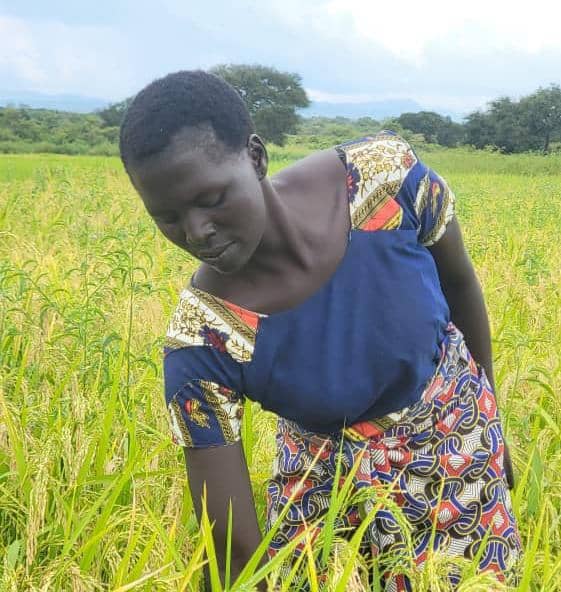
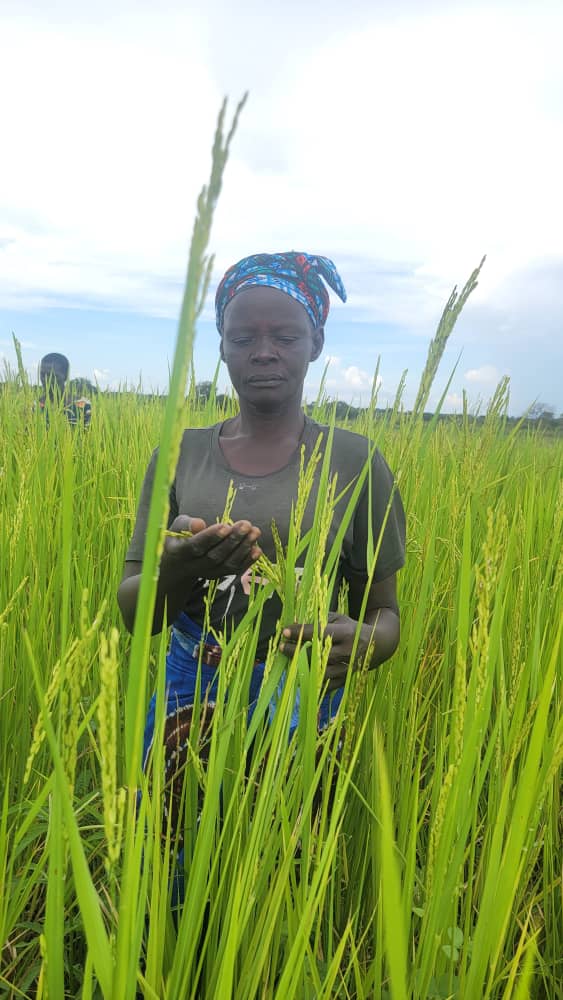
For Nema Sadiya, a 31-year-old South Sudanese refugee, ASPIRE’s support has been transformative.
“ADRA gave us Nerica-4 rice seeds, which are very good. I expect to harvest 20 bags. Life will be easier now,” she said with a smile.
So far, 1,610 refugees and 590 host community members have directly benefited from ASPIRE’s agricultural support, including access to drought-resistant seeds, training in climate-smart practices, and solar-powered irrigation.
Building Skills and Resilience
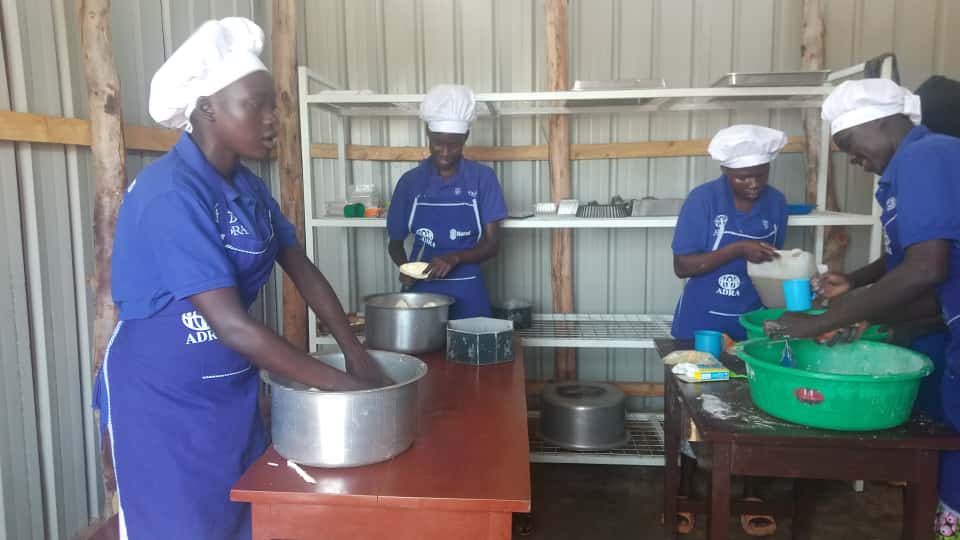
Ronan Ariro Otto, ASPIRE’s Livelihood Officer, explained the project’s broader mission: “ASPIRE supports not just food production but also vocational training for adolescents aged 13 to 30—ranging from artisan skills to life skills training for school dropouts and young mothers. We also offer psychosocial support through trained counselors, helping refugees rebuild their lives.”
In addition, ASPIRE emphasizes value addition to increase incomes. Farmers are trained in processing, branding, packaging, and marketing, and provided with agro-processing equipment to boost productivity and profitability.
As Uganda continues to host one of the largest refugee populations in Africa, ADRA Uganda’s ASPIRE project stands out as a model of integrated, community-driven development.
Through collaboration, innovation, and a deep commitment to “better food and a better future,” ASPIRE is not only feeding communities but also planting seeds of hope, resilience, and long-term self-reliance.
Asio Williams, Assistant Settlement Commandant and Focal Person for Livelihoods in Bidibidi Refugee Settlement, expresses gratitude to organizations like ADRA that offer support to refugees. Since the U.S. cut aid, the need for assistance has grown. ADRA has opened over 400 acres of land for farming, benefiting many refugees. Williams praises ADRA’s multifaceted approach, which includes TVET, Bonga, peacebuilding, and more.
Alice Nuwahereza, Gender and Peacebuilding Officer at ASPIRE, describes the project as a lifeline for members struggling with food insecurity, trauma, and psychosocial issues. She highlights ASPIRE’s efforts in addressing gender-related challenges, providing support for both girls and boys, and offering mental health counseling for refugees dealing with trauma and depression. Additionally, ASPIRE facilitates peacebuilding initiatives to resolve conflicts between refugees and host communities—addressing GBV, land disputes, tribalism, and other issues. Nuwahereza thanks the Ugandan government for its continued accommodation of and support for refugees.
About ADRA Uganda: The Adventist Development and Relief Agency (ADRA) Uganda is part of a global humanitarian organization that delivers relief and development assistance in more than 130 countries. In Uganda, ADRA works in areas such as food security, education, health, and emergency response—empowering vulnerable communities to live with dignity.