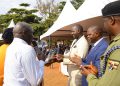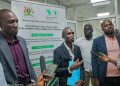



Nateete, Uganda — Significant strides are being made in the fight against Female Genital Mutilation (FGM) and child marriage among the Somali refugee community in Uganda, thanks to continued efforts by ActionAid International Uganda in partnership with UNFPA.
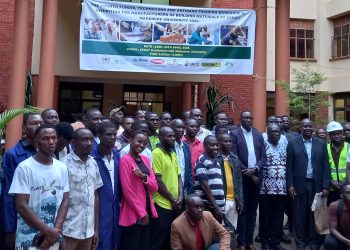
Samuel Francis Ononge, a project officer with ActionAid, shared the developments during a follow-up engagement with the Somali community in Nateete Church Zone.
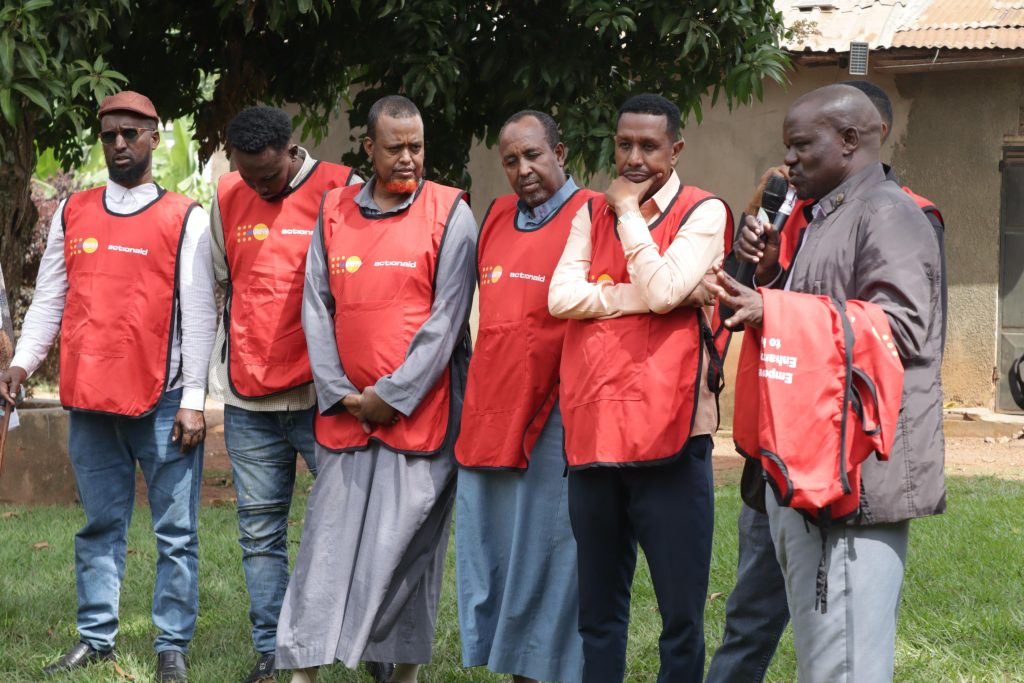
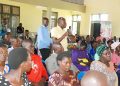
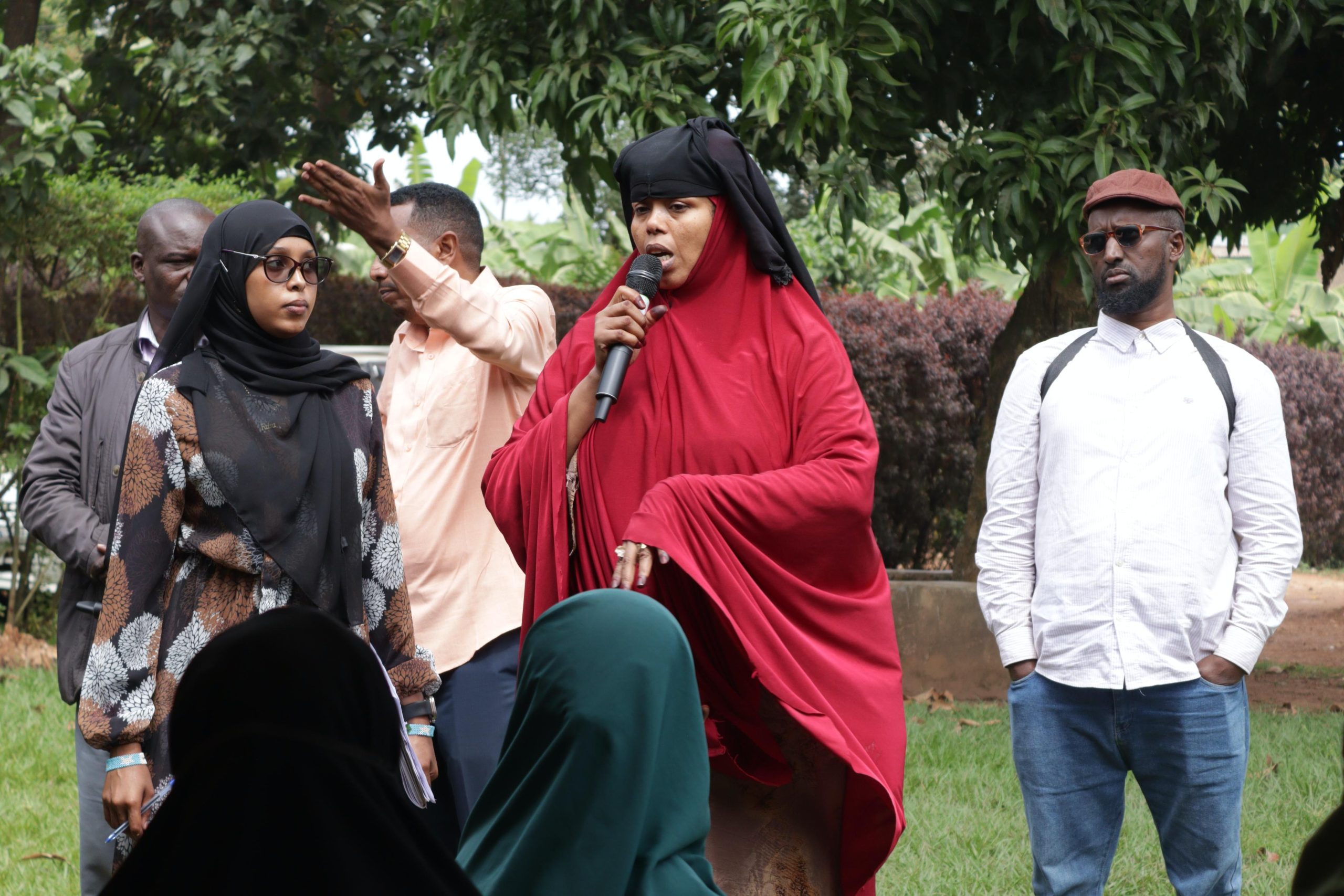
He said the follow up meeting marked the second round of consultations with young people, community elders, and religious leaders, focusing on tracking progress made on previous commitments to eliminate harmful traditional practices.
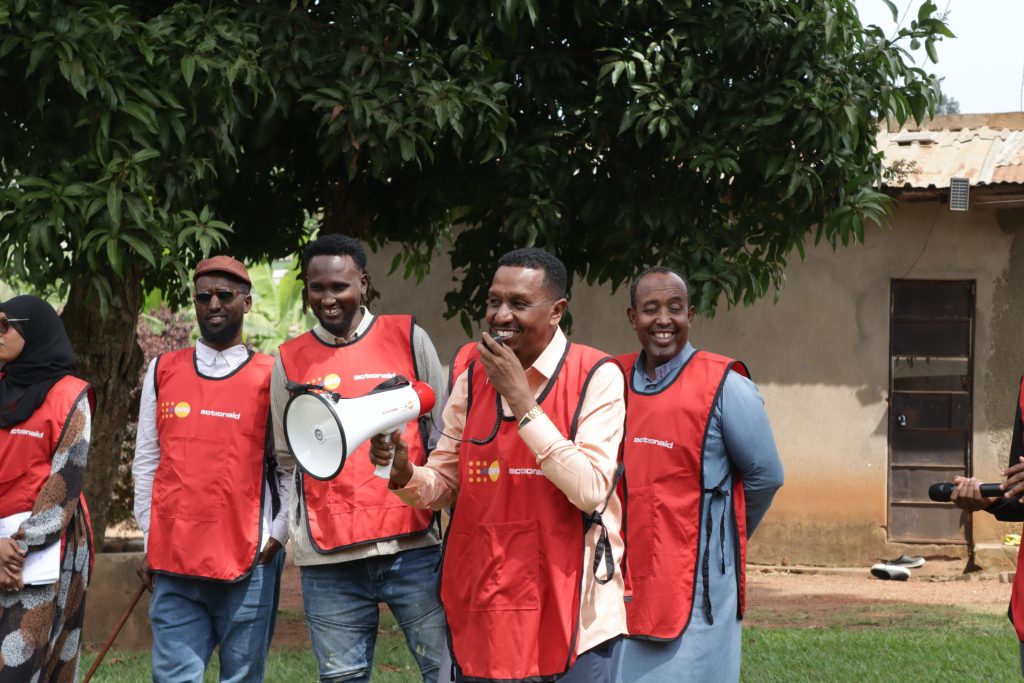
“We’re seeing real change on the ground,” said Ononge. “Women in the community have testified that the number of Somali men crossing into Uganda to take young girls back for marriage—often to men over 60 years —has significantly decreased. This is a powerful sign that our intergenerational dialogues and community mobilization are having a lasting impact.” He said.
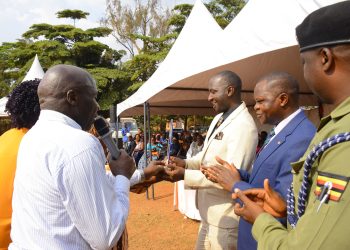
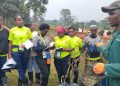
One of the key accomplishments highlighted was the establishment of a community-led surveillance structure. “This team, elected by the community, includes cultural, religious, youth, and elder representatives, along with the Local Council Chairperson. The group is responsible for monitoring and reporting harmful practices and mobilizing the community through dialogue and awareness campaigns. ActionAid and UNFPA have provided the team with megaphones to aid in community mobilization efforts,” he noted.
“The voices of women and young people are finally being heard,” Ononge added. “Despite ongoing challenges such as limited access to education, food, health services, and proper housing, the community is increasingly united in the fight against FGM and early marriage.”
Mohamed Abiqani Mohamed, Chairman of the Somali community in Nateete, also expressed optimism. “Previously, FGM and early marriages were common in our community. But since ActionAid began its work here, we’ve seen real change. This year, no cases of FGM or child marriage have been reported,” he said. “Our people now understand that Uganda has laws protecting children and women, and we are following them.”
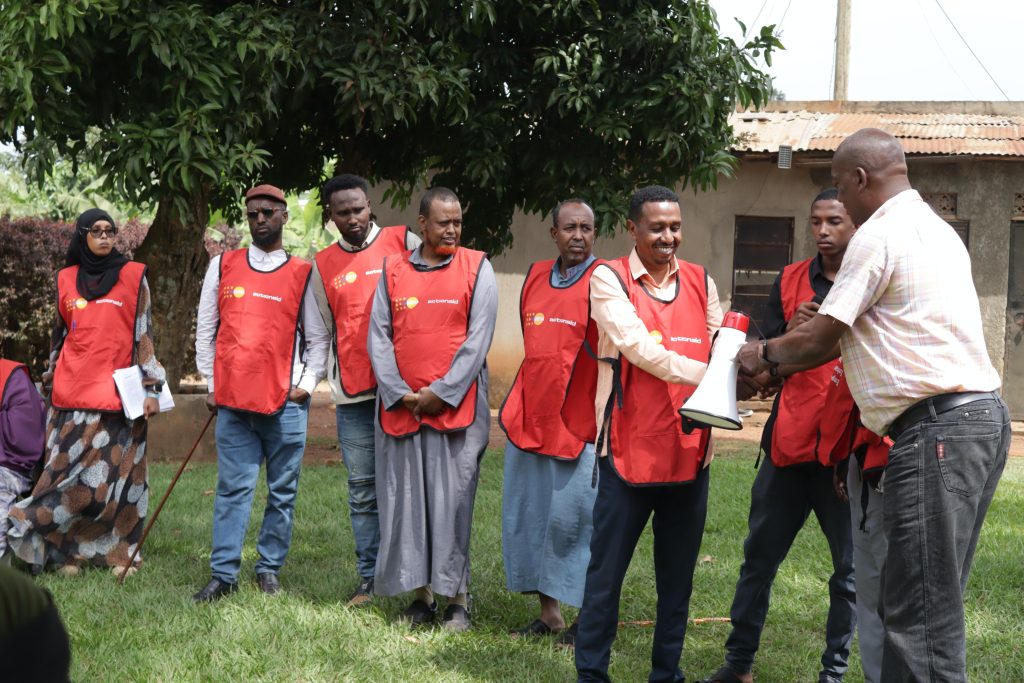
He explained that when suspected cases arise, community leaders can collaborate with ActionAid through the FGM servillance structure and local authorities to take appropriate action, something that was rare in the past.
Faiso Abdiqani, Secretary of the Somali Community in Nateete, echoed this sentiment. “Last year, many women were silent. But today, more are speaking up about FGM and early marriage,” she said. “While some still continue the practices, many have stopped. We thank ActionAid for empowering women and giving us the knowledge to change.”
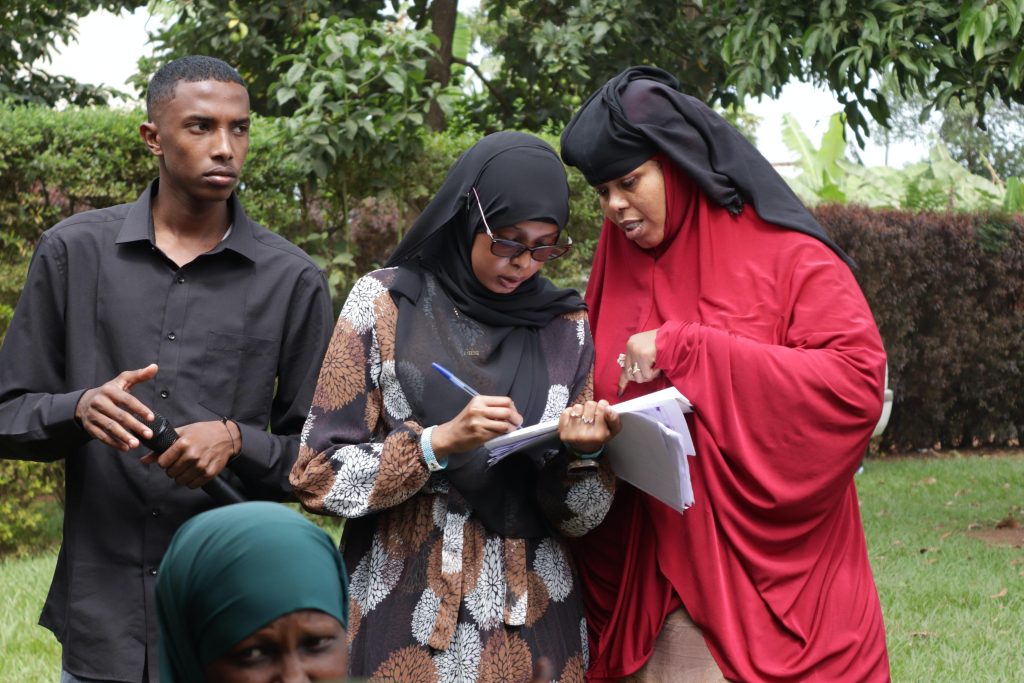
The cultural dynamics within the Somali refugee community present unique challenges. Ononge noted that in Somali culture, girls are traditionally expected to undergo FGM before the age of 13. After that age, they are typically married off—sometimes forcibly—to much older men. However, unlike other communities in Uganda, such as the Sebei and Sabiny, where FGM may occur even later in life, many Somali families are now shifting away from the practice entirely.
“There’s still work to do,” Ononge acknowledged, “but the difference between where we were last year and where we are now is encouraging. Communities are taking ownership, building their own leadership structures, and choosing to protect their daughters.”