




Kampala, Uganda – Uganda’s Ministry of Education has called on technology firms, banks, and telecom companies to develop digital solutions that can track and monitor the use and reciept of government capitation grants to schools in real-time.

Speaking at the Education Financing Symposium hosted by SchoolPay, Juliet Atuhairwe Muzoora, Commissioner for Government Secondary Education, praised platforms like SchoolPay for easing school fee payments and promoting financial transparency. However, she emphasized the need to go beyond fee payment systems and build tools that ensure accountability in the use of public funds in education.
“We need technology that can monitor the receipt and use of capitation grants in real time—just like how we track fees and pocket money,” Muzoora said. “Schools should not have to rely on paper-based reporting for accountability.”
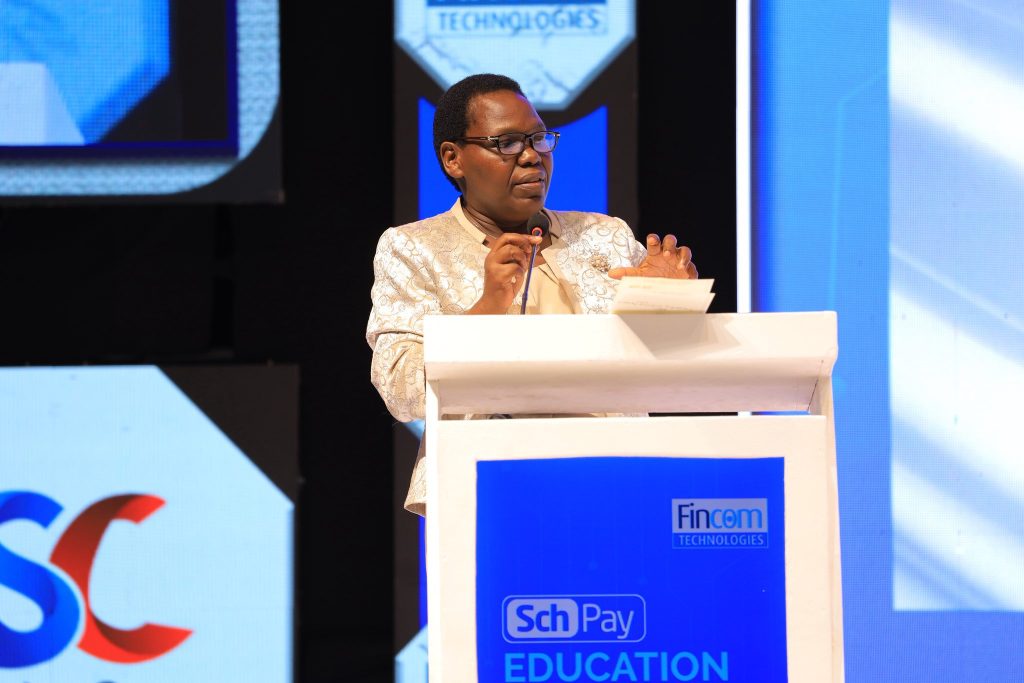
Muzoora called on stakeholders across the financial and technology sectors to form partnerships that can enhance transparency and efficiency in how capitation grants and institutional incomes are managed.
“SchoolPay has helped parents and guardians with fee payments. But how can we extend that innovation to track capitation grants and other school revenues? We must think beyond the current systems and develop technology that serves the broader education ecosystem,” she added.
Building a Resilient Education Value Chain
Joseph Kiiza Ndiho, Executive Chairman of Service Cops, the developers of SchoolPay, echoed the Ministry’s sentiments. He said that technology-backed investment is key to overcoming the financial barriers that hinder access to quality education.
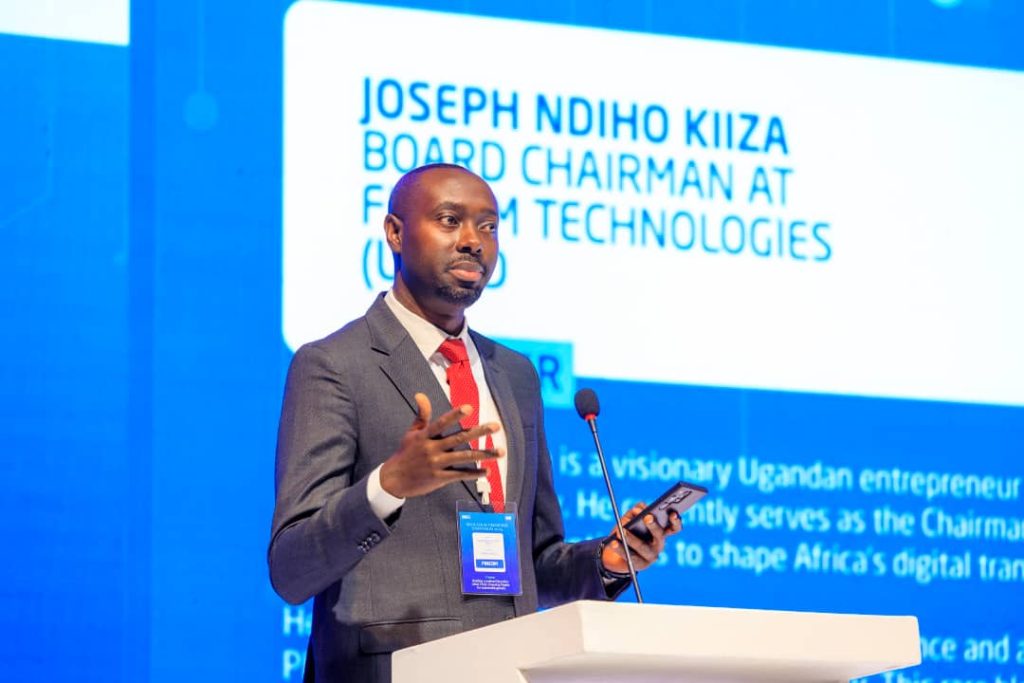
“The path to quality education is fraught with challenges—rising costs, unequal access, and shocks like COVID-19 that forced many schools to close. We must rethink how we fund and support schools to ensure long-term sustainability,” Ndiho said.
He emphasized that SchoolPay is more than a fee payment platform. It acts as a central data and service hub connecting parents, schools, banks, telecoms, suppliers, and even policy makers.
“The idea is to create a single source of truth—a reliable, integrated data system that informs decision-making at all levels of the education sector.”

Private Sector Urged to Support Policy and Innovation
Charity Mutagamba, CEO of Fincom Technologies, reiterated the importance of developing sustainable financing models to strengthen the education value chain.
“We need to build a system that allows schools to operate optimally and focus on delivering quality education. Timely fee payments are important, but so is access to funding for under-resourced schools,” Mutagamba noted.
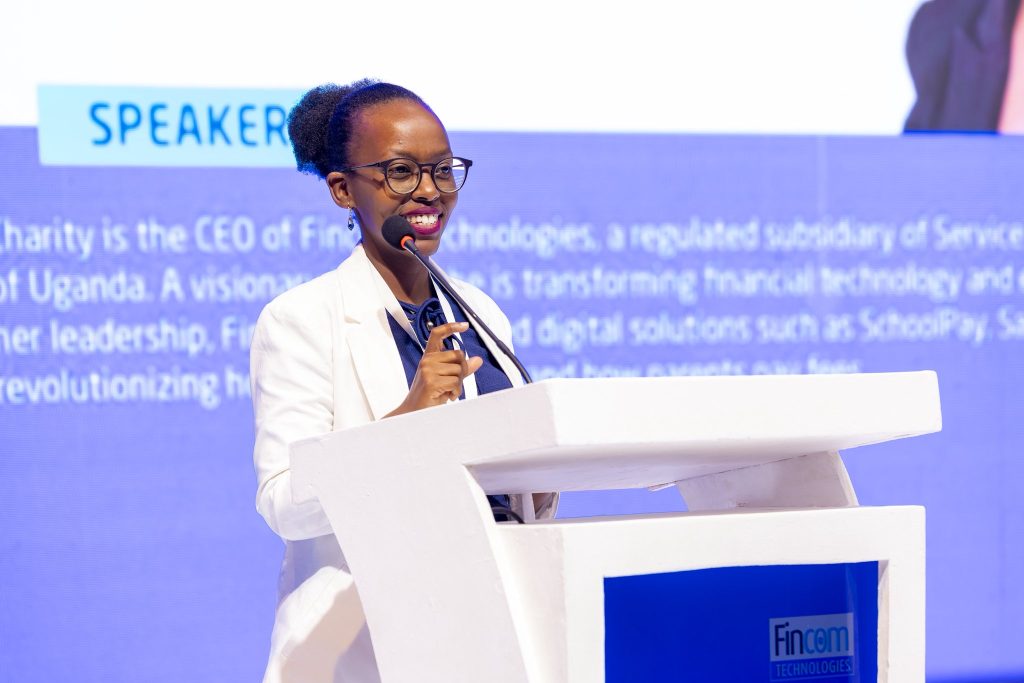
She highlighted the role of development partners like Opportunity International, which have helped design financial products tailored for schools, especially in underserved communities.
“We want to be part of shaping policy that ensures transparency and strengthens the entire financial ecosystem in education. This symposium is about starting those conversations and turning ideas into action,” she said.
Blended Finance and Inclusion Key to Future Resilience
Tineyi Mawocha, Chief Programme Officer and Africa Regional Director at Opportunity International, stressed the need to close financing gaps that prevent millions of African children from accessing education.
He proposed blended finance models—combining development finance, commercial banking, and philanthropy—paired with capacity building and inclusive technologies to support both schools and families.
“Financial products must come with training for school leaders and teachers. Technology should be equitable and inclusive, especially for girls, children with disabilities, refugees, and rural communities,” Mawocha said.