


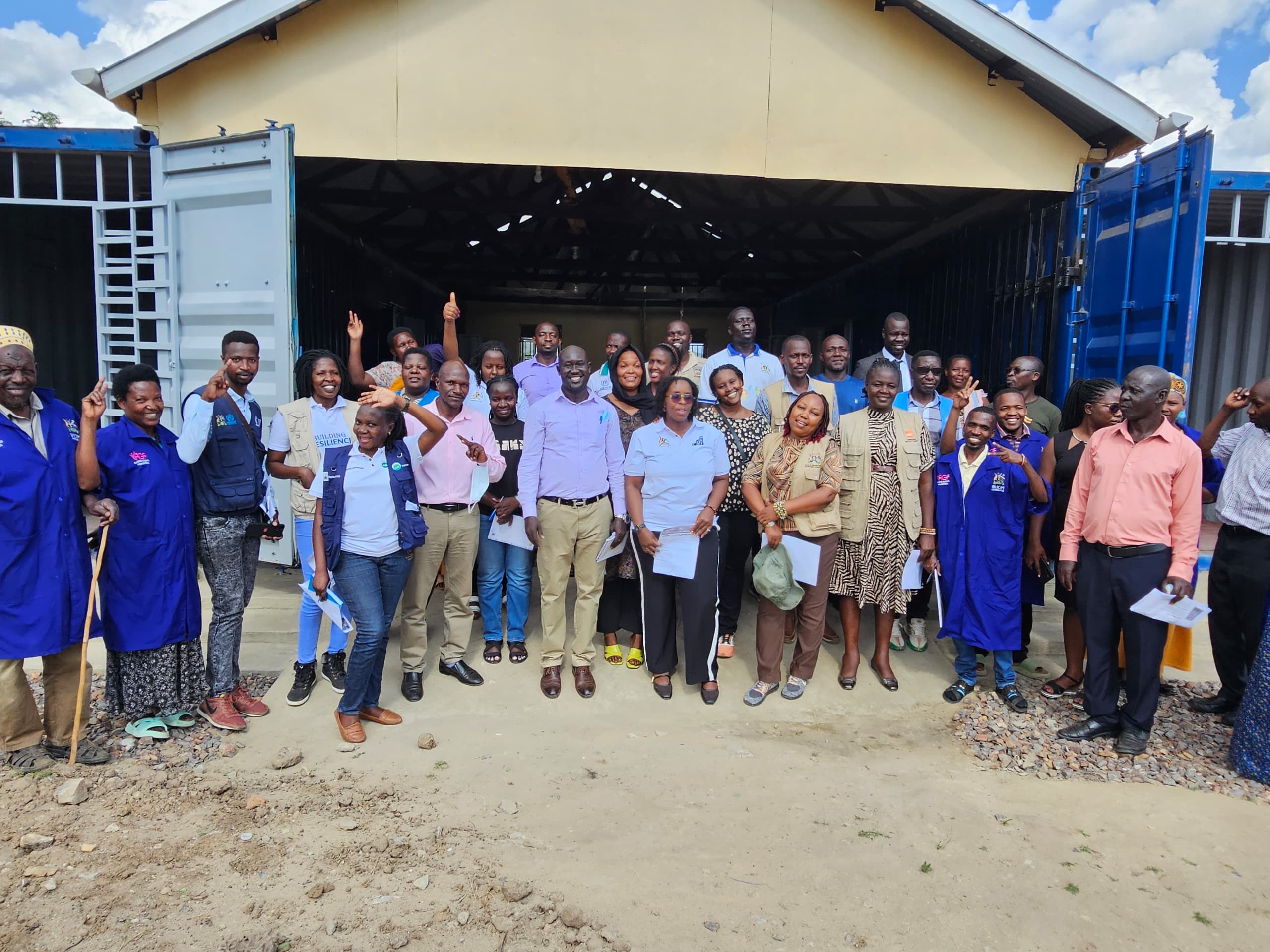
The Office of the Prime Minister in collaboration with the Ministry of Local Government has renewed efforts to strengthen service delivery, inclusion and peaceful coexistence in Uganda’s refugee hosting districts of South Western that is Kyegegwa,Kiryandongo, Kikuube, Kamwenge, through the 2026 Refugee Engagement Forum and District Engagement Forum (REF-DEF) Interface held in Isingiro District. Uganda hosts more than 2 million refugees, the highest number in Africa, with Isingiro District alone hosting over 230,000 refugees in Nakivale and Oruchinga settlements, making it one of the largest refugee hosting areas in East Africa. Bordering Tanzania and Rwanda, the district comprises 30 lower local governments, 131 parishes, 901 cells and five constituencies.
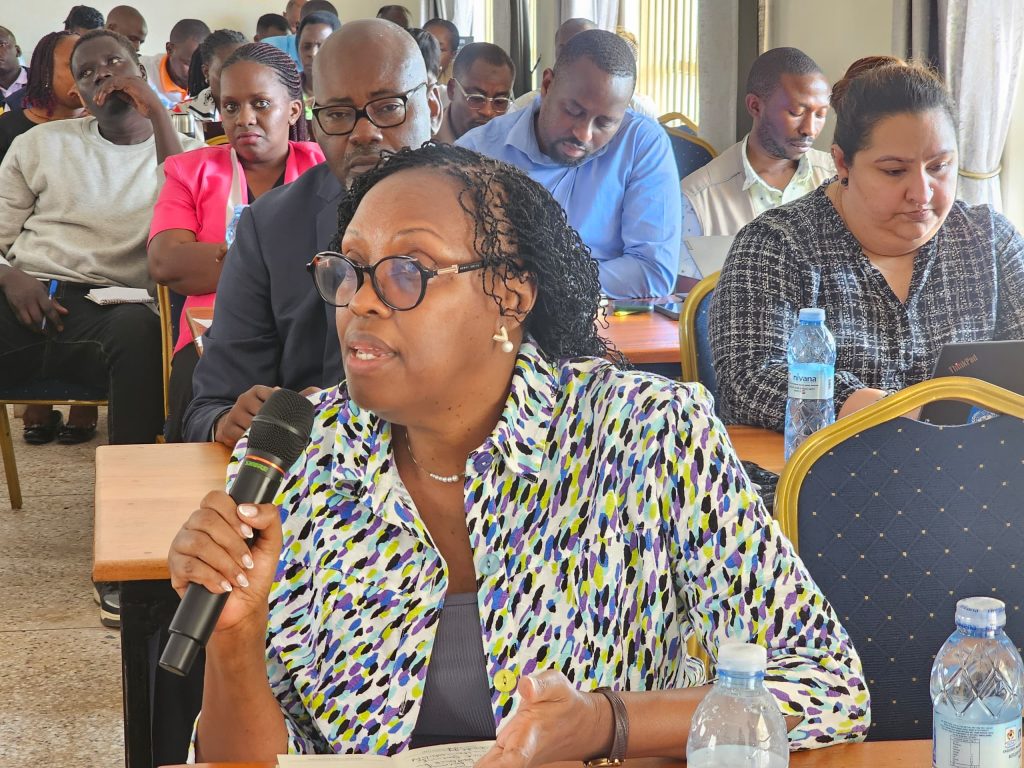
This engagement brought together refugee leaders, district officials, ministries and agencies, as well as development partners, to promote constructive dialogue, enhance refugee inclusion in decision making and strengthen collaboration between refugees and host communities. The interface also focused on joint implementation of Uganda’s pledges made at the 2023 Global Refugee Forum, particularly in addressing environmental protection, climate change, energy challenges and localization as a foundation for future collaboration and harmony between refugees and host communities.
Officials clarified that the engagement does not merge the DEF and REF platforms, but rather creates an opportunity for both platforms to work together on common issues while continuing with their respective mandates and quarterly meetings. Key concerns raised during the engagement included access to safe water, healthcare, education, livelihoods, waste management and malnutrition amid declining humanitarian funding.
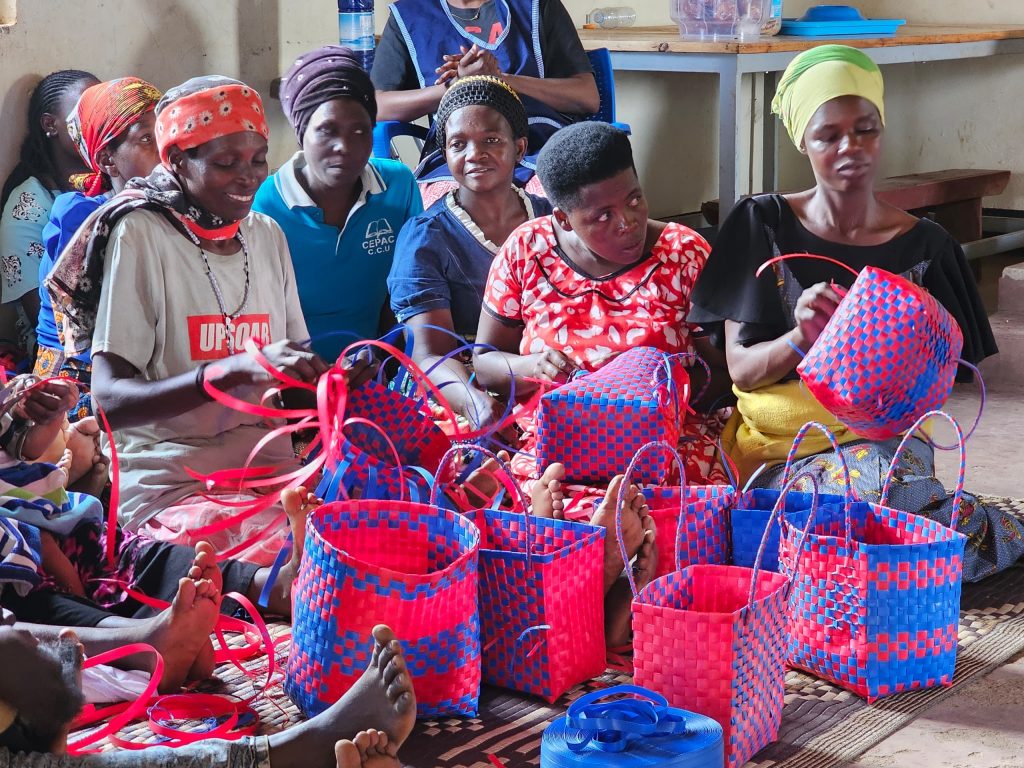
Representing the Ministry of Local Government, Senior Inspector Magambo Willy emphasized the importance of strengthening coordination between refugee communities and host districts to improve service delivery and social cohesion.
“The Ministry is committed to strengthening coordination between districts and refugee communities so that services reach the people who need them most while promoting harmony and self reliance,” he said.
Officials and development partners also underscored the need for sustainable and community driven interventions to address increasing pressure on refugee hosting districts.
The Director of the CRRF Secretariat, Ms. Helen Bugaari, encouraged initiatives such as block farming and youth exchange visits between settlements to improve food security, skills sharing and long term planning.
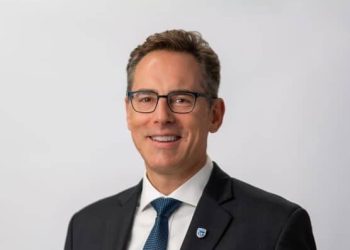
Meanwhile, the UNHCR Head of Sub-Office (HOSO) Mbarara, Roger Hollo, highlighted the importance of collaboration in building resilience among both refugees and host communities.
“When refugees and host communities work together, we create stronger and more stable communities for everyone,” Hollo said.
Refugee leaders used the engagement to raise urgent concerns affecting settlements, particularly in the areas of health, education and livelihoods.
The Refugee Welfare Committee III (RWC III) Chairperson of Nakivale Settlement, Mushumba Denius, appealed for increased investment in social services and economic empowerment initiatives.
“We need more health workers, school infrastructure, ambulances, irrigation support and modern markets so refugees and host communities can become more self-reliant,” he said.
Leaders also raised concern over illegal sand quarrying by both host community members and refugees in Oruchinga Settlement, warning that the practice has led to an increasing number of fatal mine collapses. District leaders were urged to take urgent action to address the situation and strengthen enforcement measures to protect lives and the environment.