


KAMPALA: The dust from the 2026 general elections has barely settled, yet the National Resistance Movement (NRM) is already demonstrating why it remains Uganda’s most organized and resilient political force.
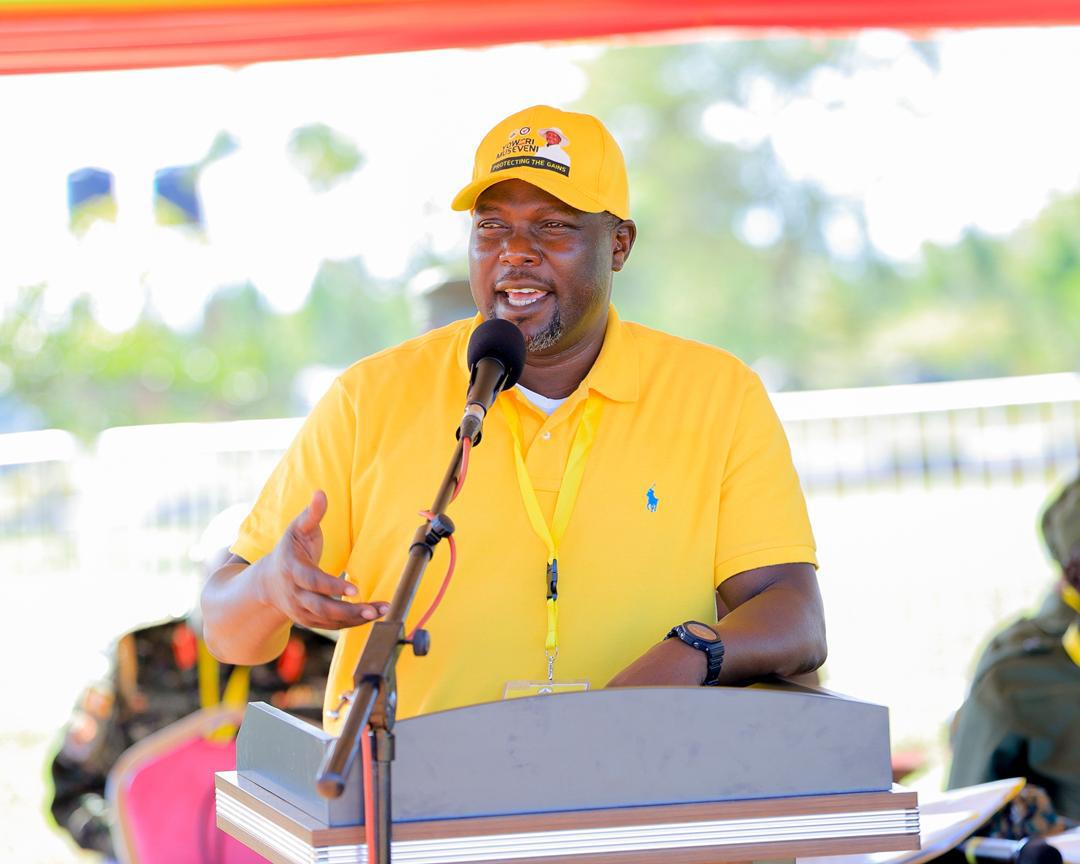
Fresh from overseeing one of the party’s strongest electoral performances in recent history, NRM Secretary General Richard Todwong has shifted his attention from celebrating victory to preparing for the next political assignment: securing success in the forthcoming by-elections in Kikuube and Kalangala.
This swift transition from victory to renewed mobilization reflects a key principle that has sustained the NRM for four decades — elections are not isolated events but part of a continuous process of engagement with the people.
Under Todwong’s stewardship, the NRM entered the 2026 elections better organized than ever before. The party strengthened its grassroots structures, revitalized local leadership and emphasized discipline among its cadres. These efforts paid off as President Yoweri Museveni secured a decisive mandate while the NRM maintained its position as Uganda’s dominant political force.
Yet political success is never permanent. Every election presents a new test, and the upcoming by-elections offer another opportunity for the party to demonstrate its enduring connection with ordinary Ugandans.
The Kikuube by-election was necessitated by the tragic death of District Chairperson Peter Banura Araali, a respected NRM leader who lost his life in a road accident on April 4, 2026, shortly after being re-elected for a second term. Banura was widely credited for laying the foundations of the young district and championing service delivery and unity among its diverse communities. His passing left a significant leadership gap in one of Uganda’s most strategic districts.
For the NRM, retaining Kikuube is not merely about winning an election. The district sits at the heart of Uganda’s emerging oil and gas economy and occupies a central place in the country’s industrialization agenda. The by-election therefore presents an opportunity to maintain continuity in leadership and ensure that the development vision championed by the late Banura continues uninterrupted.
In Kalangala, voters will return to the polls following the untimely death of Woman Member of Parliament Hellen Nakimuli. The legislator, who had also secured re-election in the January 2026 polls, passed away in April following complications from surgery. During her time in Parliament, Nakimuli earned recognition for advocating for the unique needs of island communities, particularly in the areas of health, education, fisheries and women’s empowerment.
The loss of both leaders was deeply felt by their respective communities. Their deaths created vacancies that must now be filled through democratic processes, giving voters an opportunity to choose leaders who can carry forward the work they began.
For Todwong, these contests are about much more than filling vacant positions. They represent another test of the NRM’s organizational strength and ability to remain connected to communities between election cycles.
His leadership style has consistently emphasized structure over spectacle. Rather than relying solely on national campaigns, he has prioritized building functional party networks from the village level upwards. The strength of these structures was evident throughout the general elections and will once again be crucial in Kikuube and Kalangala.
In a demonstration of how seriously the party is taking the two contests, Todwong has already deployed the NRM Director of Mobilization and other senior party officials to the ground in both districts. Their mission is to work closely with local structures, coordinate campaign activities, engage voters and ensure that the party’s message reaches every village and community. The officials are expected to remain on the ground until the close of the campaigns, underscoring the Secretary General’s hands-on approach to political organization and mobilization.
The move reflects Todwong’s belief that electoral success is built through sustained engagement rather than last-minute interventions. By maintaining a visible presence on the ground, the party leadership is sending a strong signal that every election matters and that no constituency is taken for granted.
The Secretary General’s decision to immediately focus on the two by-elections also sends an important message to party members: victory should never breed complacency. Political support must be nurtured continuously through service, accountability and engagement with citizens.
The NRM understands that sustaining support requires more than campaign rallies. It requires listening to communities, responding to their concerns and ensuring that government programs continue to improve lives. This approach has enabled the party to remain relevant across generations and regions.
As Uganda moves forward after the general elections, the NRM’s attention remains fixed on the future rather than the past. While others may still be analyzing election results, the party’s Secretary General is already organizing for the next challenge.
That is the mindset of a movement determined not only to win elections, but to sustain the trust of the people.
And if the energy already being invested in Kikuube and Kalangala is any indication, the upcoming by-elections could become yet another demonstration of the NRM’s organizational discipline, grassroots strength and commitment to serving Ugandans in every corner of the country.