




KITAGWENDA DISTRICT — Jubilant residents of the newly created Byonyo Village, in Kabujogera Town Council, Kitagwenda District, turned out early on Tuesday to make local history by electing their first Local Council One (LC1) chairperson, marking a significant milestone in Uganda’s ongoing efforts to strengthen grassroots governance.
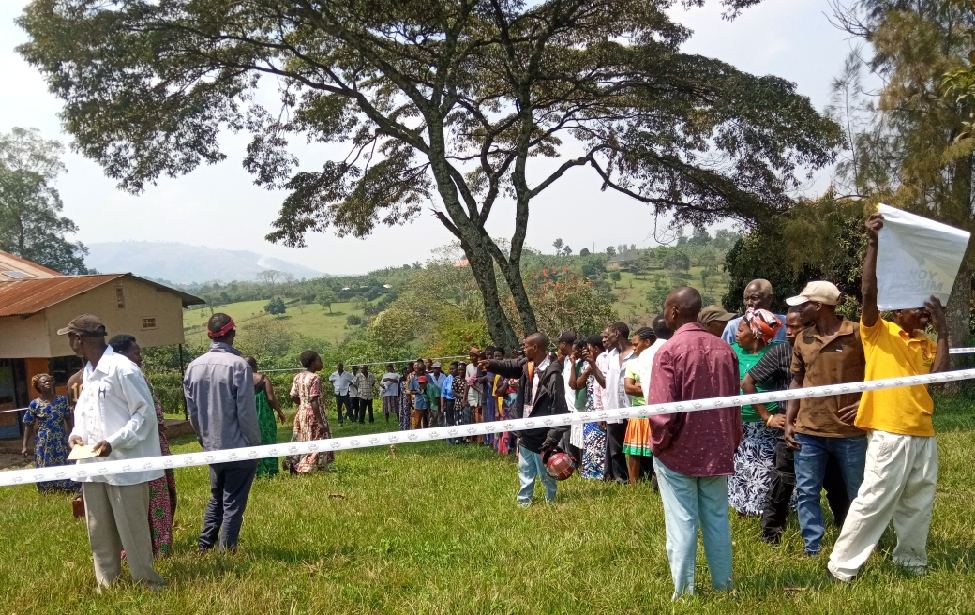
Long before polling officially began, villagers had gathered at the designated voting area, eager to participate in the election that would determine the first political leader of the village since it was carved out of Rwabujingo Cell.
The contest attracted two candidates: Asaph Muliisa, representing the National Resistance Movement (NRM), and independent candidate Swezene Mukonyezi.
After a transparent voting process conducted by lining up behind the preferred candidate, Muliisa secured a decisive victory with 49 votes against Mukonyezi’s 10.
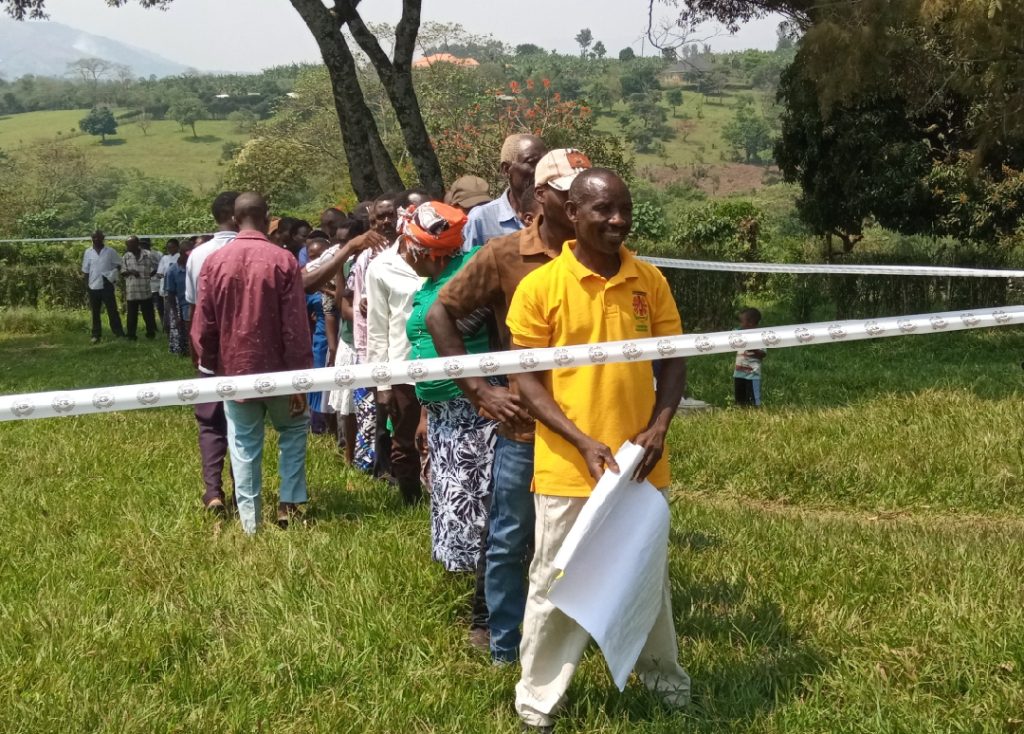
Although the atmosphere remained peaceful, voter turnout was lower than expected.
Several residents chose not to participate, saying they were related to both candidates and feared that publicly taking sides could strain family and community relationships.
“We hope the Electoral Commission will one day replace the lining-up system with a secret ballot,” one resident, who requested anonymity, said. “If funding is a challenge, local authorities can find practical ways to make voting more confidential.”
Another resident argued that while lining up may be practical in small communities, it can deepen divisions because individual voting choices are visible to everyone.
Despite the outcome, the election ended on a conciliatory note.
Mukonyezi promptly accepted defeat, congratulated Muliisa and pledged to work with him for the benefit of the new village.
“I congratulate the winner and I am ready to support him in serving our people,” Mukonyezi said after the results were announced.
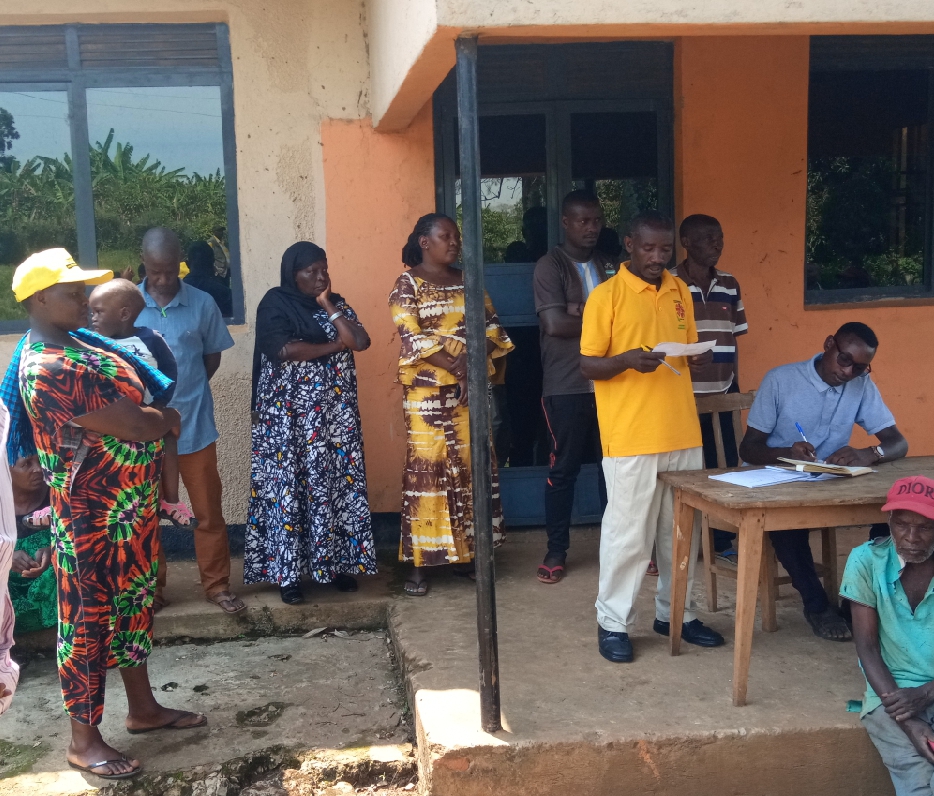
Following his victory, Muliisa announced his executive committee, naming Rose Musinguzi as his vice alongside other committee members responsible for various portfolios.
One appointment that sparked laughter and applause among residents was that of Patrick Musisi as Secretary for Information, locally referred to as ‘Oworugambo‘. As Muliisa introduced him, the crowd erupted in cheers before one villager jokingly remarked that the role suited Musisi because of his reputation for sharing community gossip.
“At least now he has official work to verify information before spreading it,” the resident joked, drawing laughter from the gathering.
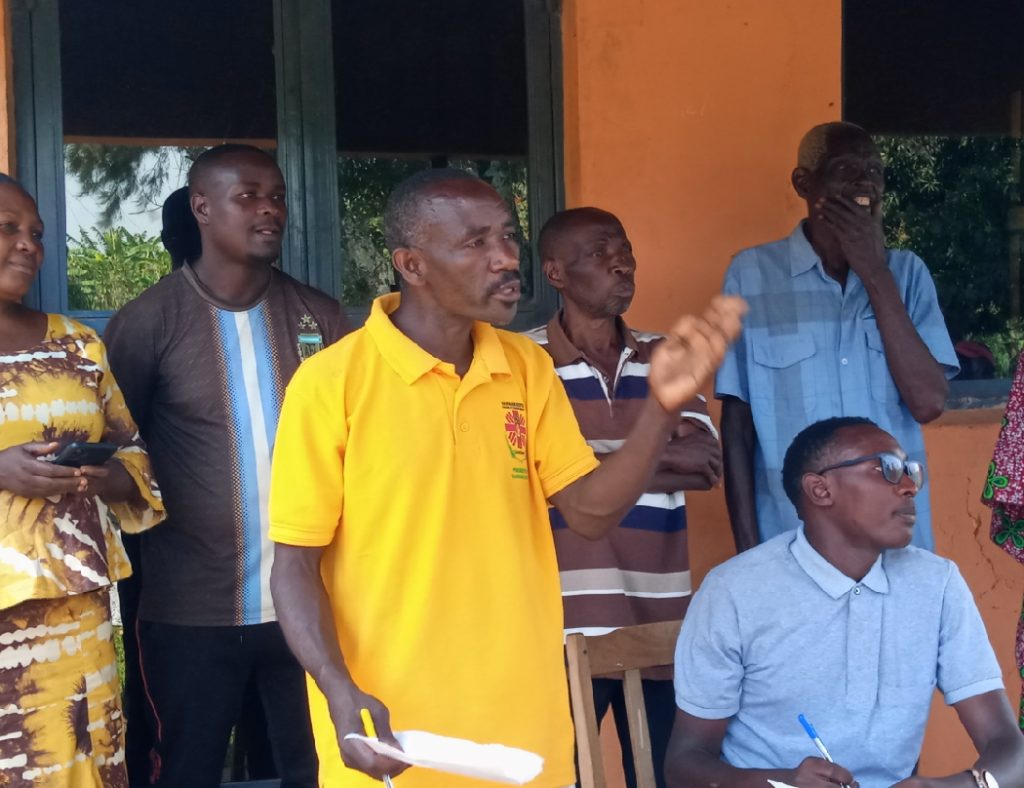
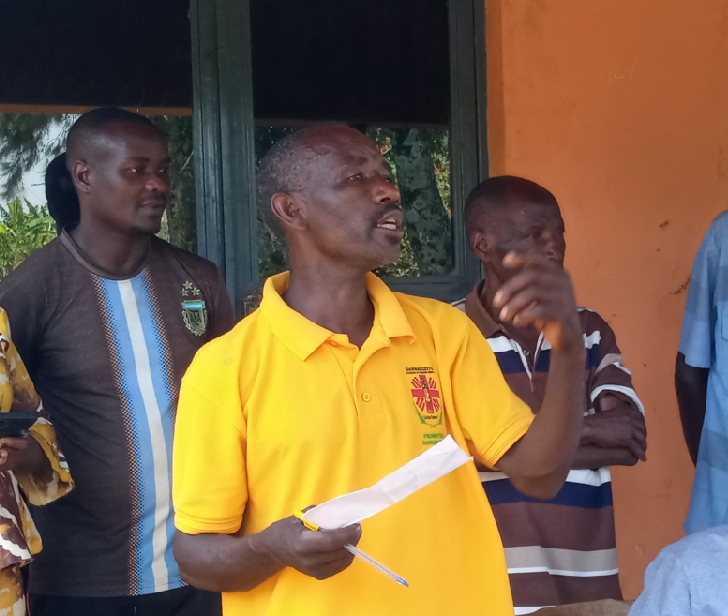
Muliisa, an electrician and farmer who previously served as NRM chairperson for Rwabujingo, thanked residents for entrusting him with the responsibility of becoming Byonyo’s inaugural LC1 chairperson.
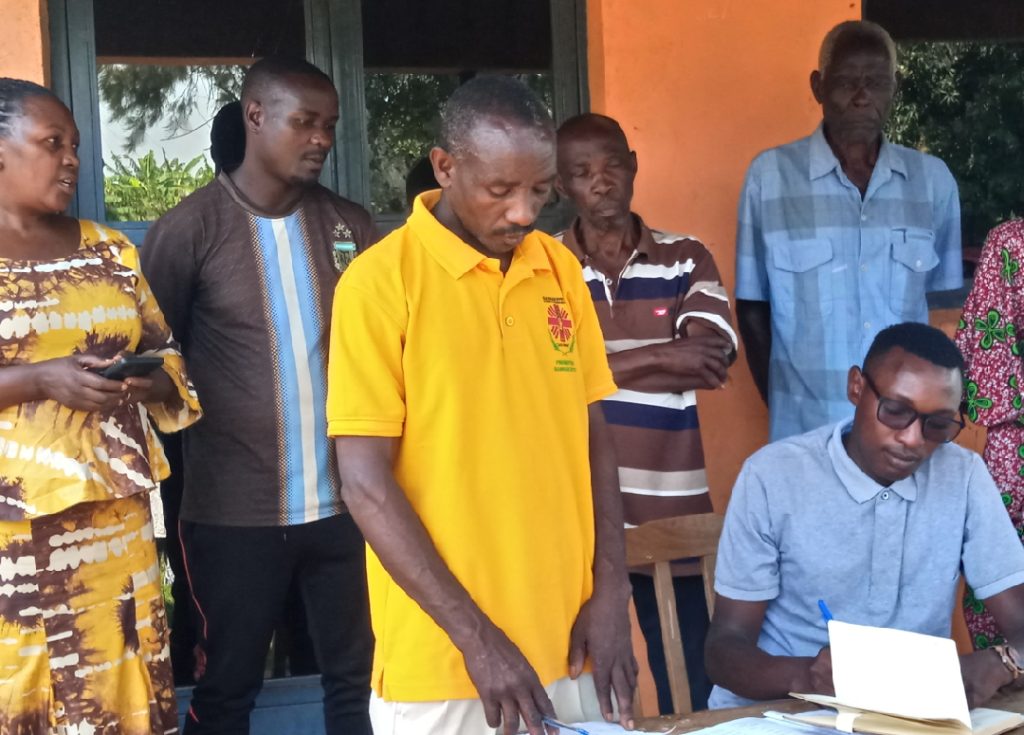
He pledged to prioritize unity, peaceful coexistence and socioeconomic transformation.
“Our village has begun a new chapter,” Muliisa said. “My priority is to unite our people and ensure every household benefits from government poverty alleviation programmes so that families can participate in the money economy.”
In the neighboring village of Rwabujingo, Peter Muhwezi went through unopposed.
Why villages matter
Byonyo is among the 743 new villages recently created across Uganda by the Electoral Commission following government and local government administrative restructuring aimed at bringing public services and governance closer to communities.
The creation of new villages forms part of Uganda’s decentralized governance system, under which villages serve as the lowest administrative and political units. The restructuring was intended to improve service delivery, simplify administration, enhance security coordination and ensure communities are better represented in local government structures.
The establishment of new villages also paved the way for fresh Local Council elections, enabling residents to elect leaders responsible for mobilizing communities, resolving local disputes, coordinating development initiatives and linking citizens with higher levels of government. Now Uganda has a total of 71,255 villages.
Political analysts say these grassroots elections are often the first test of local democracy and play a critical role in determining how effectively government programmes are implemented at the community level.
For Byonyo residents, however, Tuesday’s election represented more than a political exercise. It symbolized the birth of a new administrative identity and renewed hopes that local leadership can translate into improved services, stronger community cohesion and greater economic opportunities.
As Uganda continues to deepen decentralization and expand local governance structures, villages such as Byonyo are expected to become increasingly important in shaping the country’s political participation and rural development agenda.