


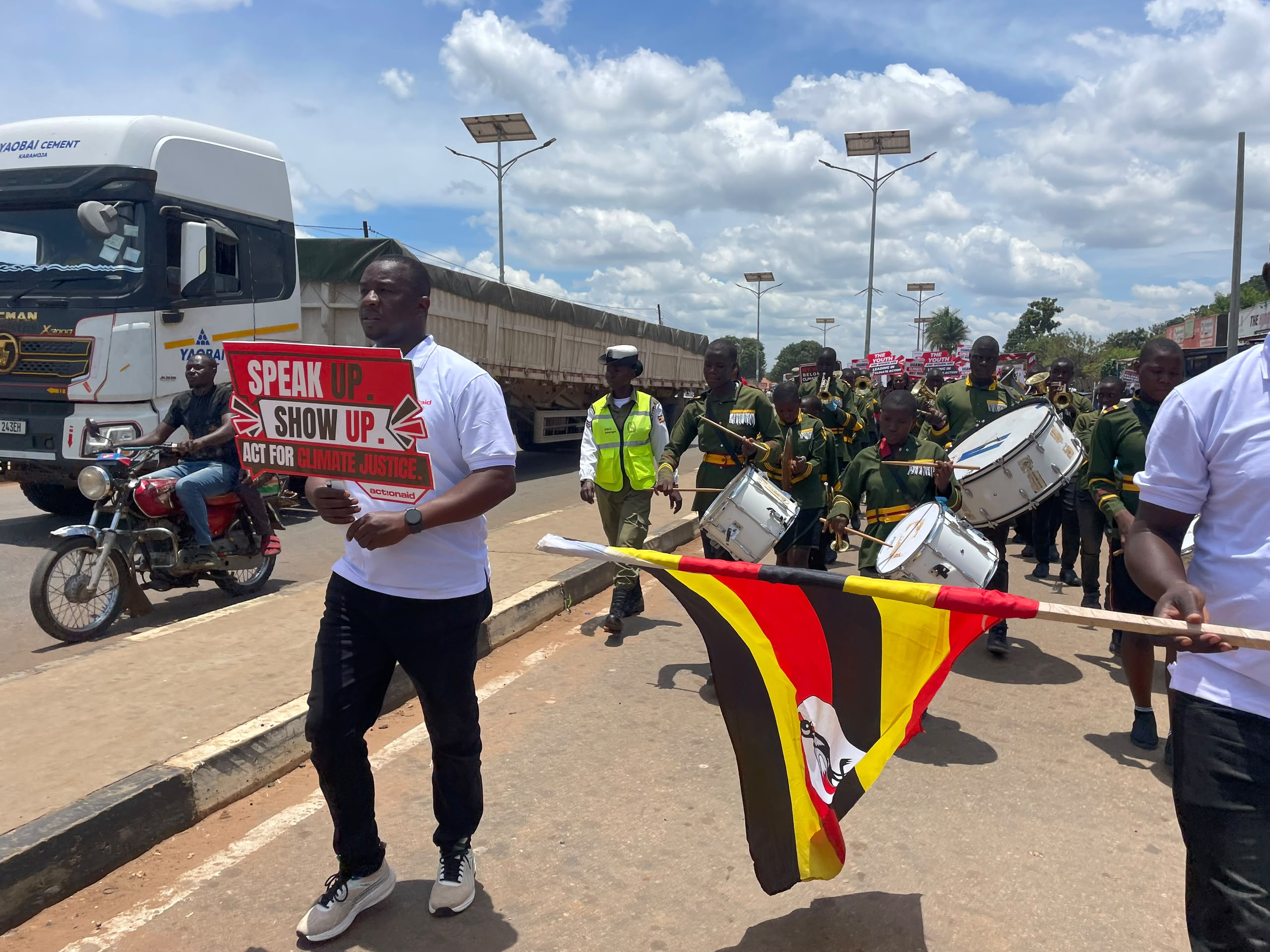
NAMUTUMBA, Uganda — ActionAid International Uganda, together with Namutumba District local government, young people, civil society organisations and other partners, has launched a week-long campaign to promote climate justice and strengthen community-led responses to the effects of climate change.
The activities, launched on Monday at Namutumba District grounds, are part of the September Global Week of Climate Actions running from September 14 to 20 under the theme “Our Communities. Our Climate. Our Future: Young People Leading Climate Justice.”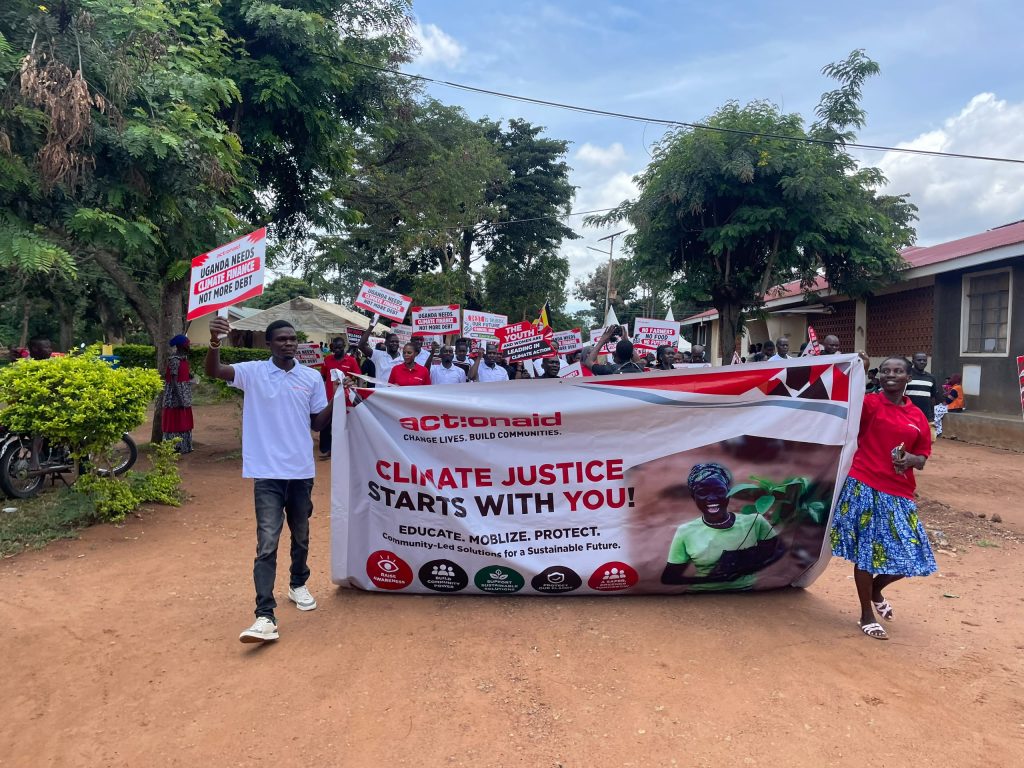 The campaign seeks to mobilise communities, policymakers, government officials, development partners and other stakeholders to take action in protecting the environment and ensuring that climate commitments made at national and global levels translate into practical interventions at community level.
The activities will extend beyond Namutumba to other parts of Uganda, including Amuru and Apac districts.
The mobilisation, organised under ActionAid International Uganda’s Fund Our Future Campaign, includes community cleaning exercises, youth-led climate justice dialogues, peaceful non-partisan marches and engagements with local leaders.
Participants are also expected to identify practical solutions to climate challenges affecting their communities and develop priority demands for fair and locally relevant climate action.
Action must reach communities
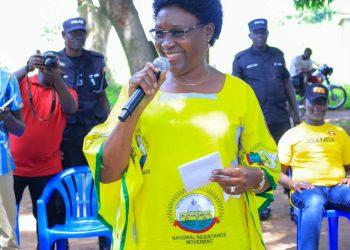
Speaking at the launch, ActionAid International Uganda Country Director Samuel Ntale Isabirye said the campaign is intended to raise awareness about the effects of climate change while promoting people-led solutions.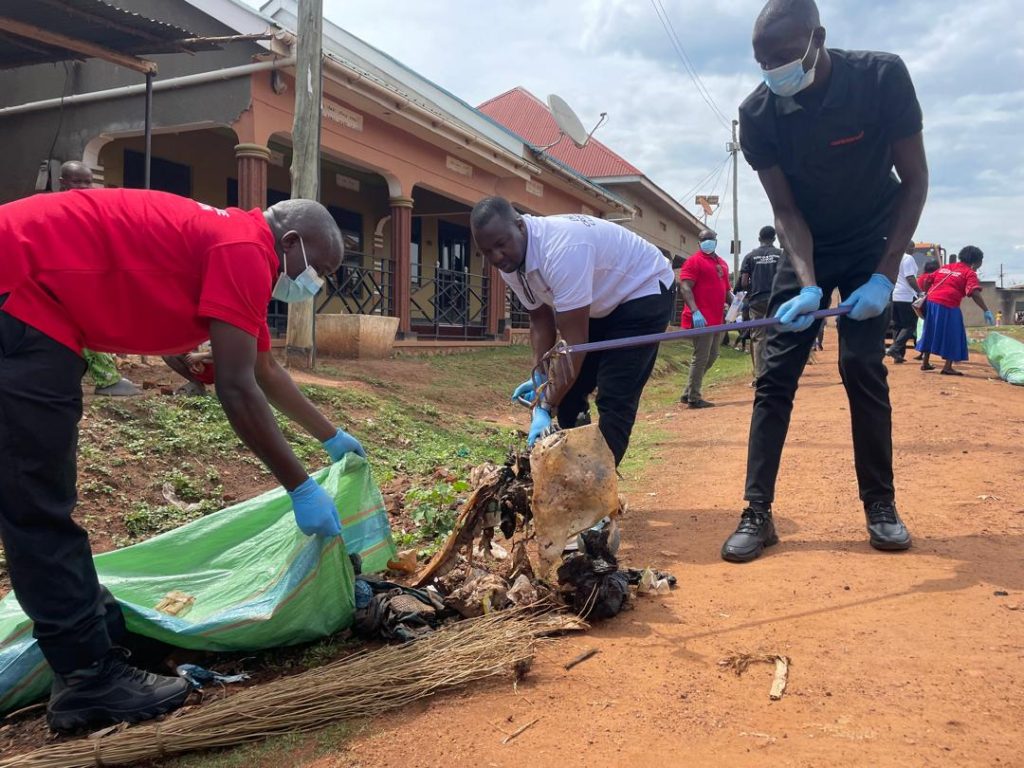 He said communities should not remain recipients of climate interventions but should be actively involved in shaping policies, investments and solutions because they understand the challenges affecting them.
“Climate action must reach every village. Young people, women, farmers and frontline communities must have the information, platforms and resources they need to influence decisions that affect their lives,” Ntale said.
Ntale said global climate commitments are often made on paper, but their success can only be measured by the changes they create in communities.
He said local people have knowledge and experience about the effects of climate change and should therefore be given an opportunity to contribute to decisions on climate policies and financing.
He cited prolonged droughts, flooding, declining agricultural production and other climate-related shocks as challenges that are increasingly affecting communities.
ActionAid links climate crisis to debt
Ntale also linked the climate crisis to Uganda’s debt burden, arguing that resources spent on debt servicing could otherwise support climate adaptation and help communities respond to climate shocks.
He said Uganda’s high debt-servicing costs risk creating a cycle in which communities suffer climate shocks, governments borrow more resources to respond to emergencies and debt continues to increase.
He called for discussions on sustainable debt reform that would create more fiscal space for governments to invest in climate action and essential public services.
“We need to look at ways of having discussions about debt reform that is more sustainable and that we can save more resources to support our climate actions,” he said.
Ntale also called for greater attention to the Loss and Damage Fund, saying climate financing should not remain at national level but should reach local governments and communities that are directly affected by climate change.
He said local governments should also demonstrate how much of their budgets are allocated to environmental protection and climate adaptation.
Communities want climate finance to reach villages
According to Ntale, Uganda has a climate finance strategy, but the key question is how the strategy is being implemented and whether the available resources are reaching communities.
He said citizens have a responsibility to track government commitments and demand accountability for climate financing.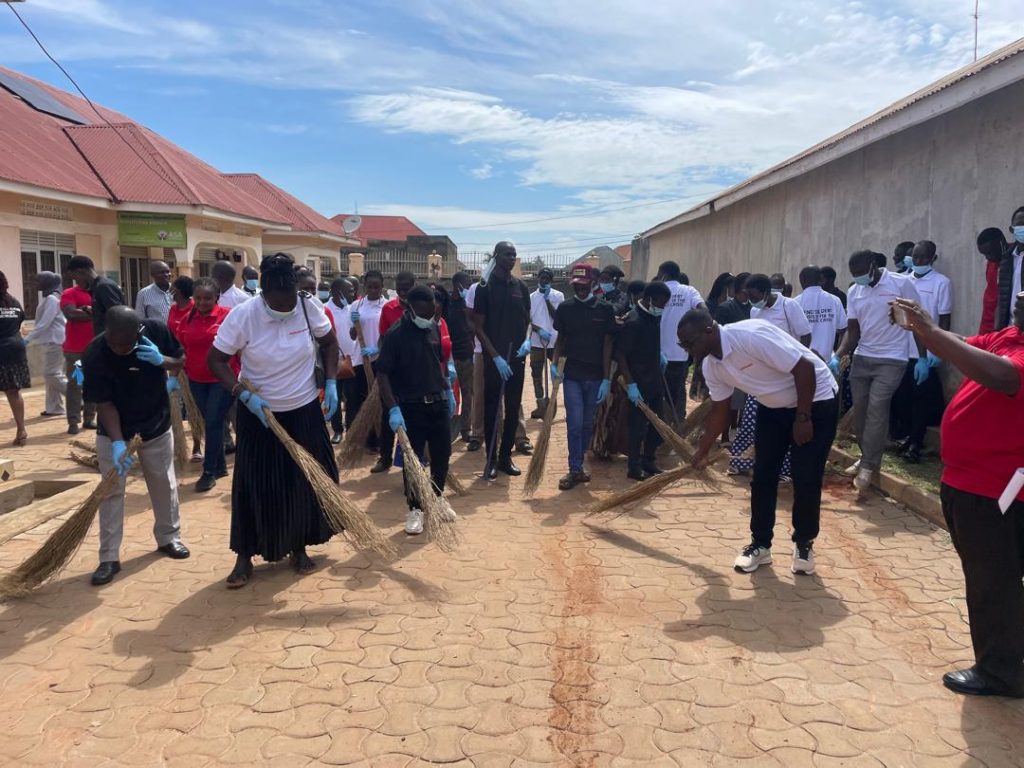 “We as the Wanainchi should be able to ask for accountability. If the money is coming in, is it going into the right priorities that are able to support these adaptive approaches?” he asked.
He cited agroecology, organic manure production, waste management and other youth-led innovations as examples of community solutions that require investment and support.
Ntale said consultations on Uganda’s Nationally Determined Contributions should meaningfully involve young people and communities because they are among those experiencing the effects of climate change first-hand.
Youth present climate demands to district leaders
At the Namutumba launch, young people from Nsinze, Kibaale, Ivukula and Namutumba Town Council, under the Busiki community initiative, presented a statement to district leaders, civil society organisations, development partners and community members.
The group, led by Namaganda Eva, outlined the climate challenges facing their communities and presented proposals for action under the campaign theme “Fund Our Future – Cancel the Debt.”
The young people said prolonged drought, unpredictable rainfall, water shortages, declining soil fertility, tree loss and damaged drainage systems are increasingly affecting food production, livelihoods and household wellbeing.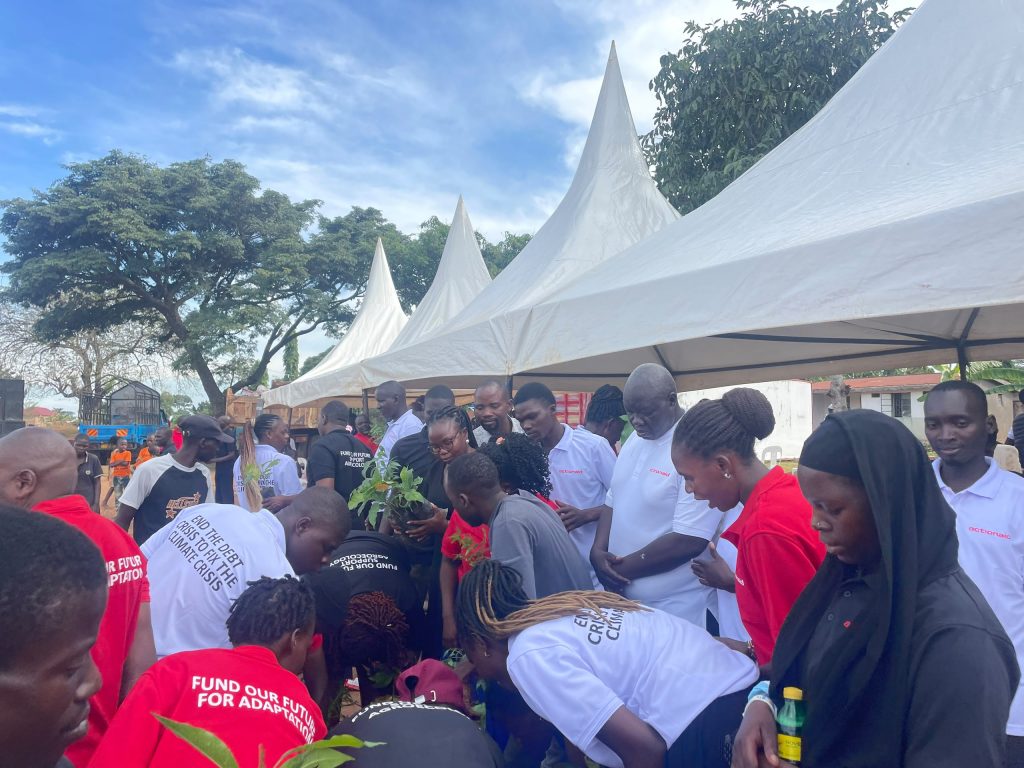 They said women and girls face an additional burden because they are often responsible for collecting water and firewood, while young people, poorer households and persons with disabilities face greater difficulties adapting to climate change.
Youth promote agroecology
The youth said ActionAid has equipped them with skills in agroecology, waste management, energy-saving cooking and community-led environmental action.
They said they have shared knowledge on making organic manure, kitchen gardening and organic pest control with more than 50 community members in Nsinze, Kibaale and Ivukula.
They are now calling for the establishment of youth-led demonstration gardens and farmer learning groups to promote composting, mulching, crop rotation, intercropping, organic pest management, kitchen gardening, water conservation and rainwater harvesting.
They also want government to improve feeder roads, strengthen agricultural extension services, regulate agricultural input businesses and make soil testing services more accessible at subcounty level.
The young people are further asking civil society organisations and development partners to support demonstration gardens, farmer learning groups and sustainable livelihood initiatives.
Waste and drainage concerns
Waste management and poor drainage also featured prominently in the youth demands.
The young people welcomed government initiatives such as the national cleaning day and cleaning activities by Namutumba Town Council, as well as ActionAid’s waste management training.
They said some young people are already turning organic waste into manure, with members of St. Immaculate in Nsinze producing Bokashi for sale.
However, they said waste continues to accumulate in homes and trading centres due to inadequate waste containers and unreliable collection services.
They warned that blocked drainage channels worsen flooding and increase the risk of disease.
They called for the restoration of waste containers, provision of waste management equipment, reliable collection and disposal services and repair of priority drainage channels.
The youth want a publicly available waste collection schedule and a priority drainage repair plan to be developed with community representatives by the end of October 2026.
Calls for more trees and energy-saving stoves
The communities are also promoting energy-saving cooking stoves, tree planting and wetland protection.
According to the youth, ActionAid training has enabled communities to make energy-saving stoves, with potential fuel savings of up to 70 percent.
They said the technology can reduce pressure on trees, lower household fuel costs and reduce the burden of collecting firewood, particularly on women and girls.
However, they noted that charcoal production remains an important source of livelihood for some young people, while tree loss, wetland encroachment, drought and rising temperatures continue to threaten the environment and water sources.
The youth are therefore proposing youth- and women-led stove-making groups, community tree nurseries and tree adoption initiatives.
They also want suitable indigenous tree species promoted, tree survival monitored, wetlands restored and alternative livelihoods provided for households affected by environmental restoration measures.
Namutumba leaders blame wetland destruction for drought
Namutumba District Chairperson Mukisa Davidi thanked ActionAid for its interventions in the district, particularly its work with young people on tree planting and environmental protection.
Davidi said prolonged drought has caused significant suffering among residents and linked some of the environmental challenges to the destruction of wetlands and forests.
He said some farmers have moved into wetlands to grow crops such as rice and maize, while trees are being cut down to clear land for cultivation.
According to him, the destruction of trees and wetlands has contributed to the worsening drought situation.
He encouraged residents to plant trees, particularly productive trees such as mangoes and oranges, which can provide both environmental benefits and food for households.
He also called on government to support farmers with irrigation schemes so that they can continue farming during prolonged dry spells.
District chair calls for upland rice
Davidi further urged government to support farmers to adopt upland rice as an alternative to growing rice in swamps and wetlands.
He said the adoption of upland rice could reduce pressure on wetlands and allow farmers to continue benefiting from rice production without destroying sensitive ecosystems.
He said a significant proportion of the district’s population depends on rice growing, with many farmers currently cultivating the crop in wetlands.
“Instead of going in the swamps, we have upland rice. If we are given upland rice, I think that one can help us to avoid destroying the environment and destroying the wetland,” Davidi said.
He appealed to young people and other residents to embrace tree planting and other environmental conservation measures to protect the future of the district.
Demand for fair climate financing
The youth also called for increased and accessible financing for community-led climate solutions.
They said young people and women have skills and ideas that can help communities adapt to climate change but often lack the financial resources needed to put those ideas into practice.
They want government and development partners to make climate financing more accessible to community groups, particularly poorer households and persons with disabilities.
ActionAid said its wider Fund Our Future Campaign is calling for increased public investment in people-led climate solutions, including climate adaptation, agroecology, environmental conservation and resilient livelihoods.
The organisation is also calling for fairer financial systems that enable governments and communities to invest in climate resilience and essential public services.
Ntale said government, development partners, civil society, the private sector and the media should strengthen investment in locally led climate solutions and ensure that communities most affected by climate change have a meaningful voice in determining policies, programmes and financing.