


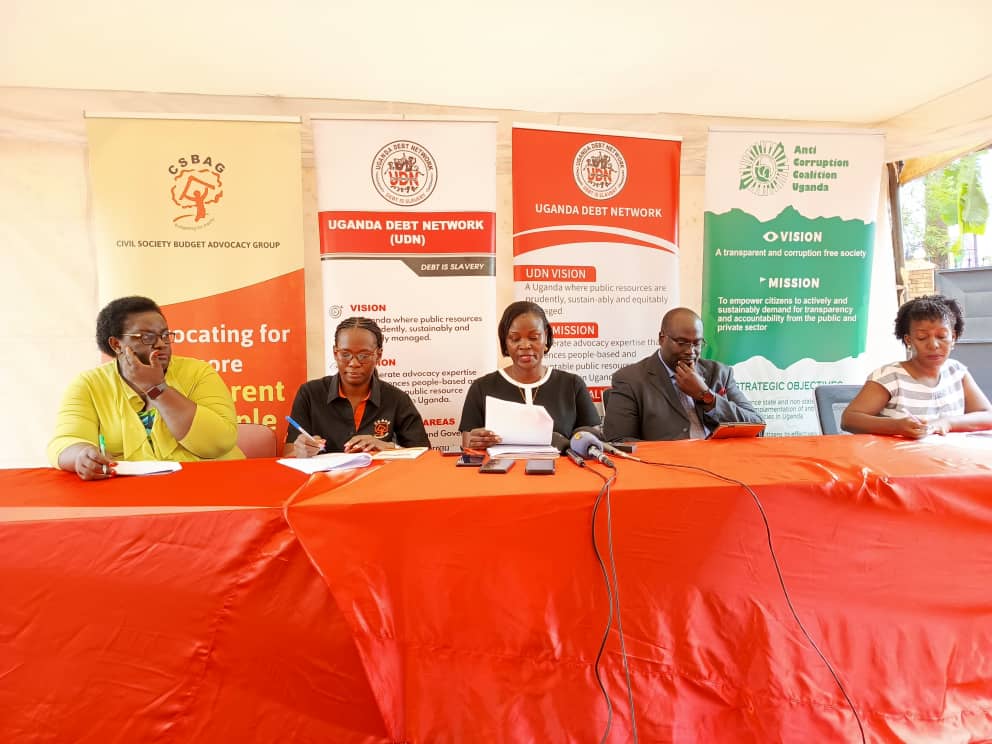
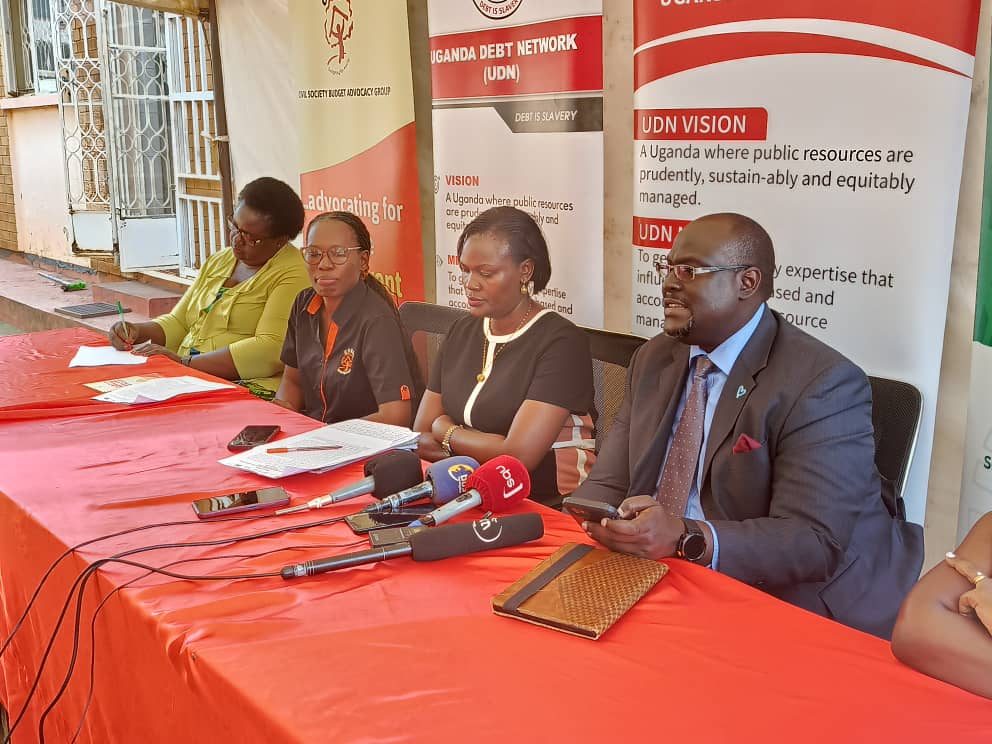
Kampala, Uganda – As Uganda prepares its financial budget for the fiscal year 2026/27, Civil Society Organizations (CSOs) have called on the government to reprioritize funding with a special focus on children’s welfare, education, and protection. Speaking during a press conference today at Uganda Debt Network’s offices in Ntinda, CSO representatives emphasized the urgent need to increase budget allocations for child-focused sectors and proposed the establishment of a dedicated youth and children ministry separate from the Ministry of Gender, Labour and Social Development.
Debt Servicing Squeezes Local Government Budgets
Mr. Damon Wamara, Executive Director of the Uganda Child Rights NGO Network, highlighted the critical challenge of rising national debt, which currently stands at UGX 116.2 trillion (approximately USD 32.3 billion) — over 51% of GDP. The increasing debt burden is redirecting resources towards bailouts and debt servicing, leaving local governments underfunded and struggling to address pressing child rights issues. Mr. Wamara stressed that local governments, which are at the frontline of delivering child services, continue to receive insufficient funding, resulting in poorly resourced probation offices and other essential child protection mechanisms.
 School Feeding Program Vital for Enrollment and Retention
The CSOs applauded government efforts to enhance education, including increases in capitation grants for Universal Primary and Secondary Education and strides to reduce child labor. However, they urged swift action to accelerate the National School Feeding Program, noting its critical role in boosting school enrollment and retention, particularly in vulnerable regions such as Karamoja. “For many children in rural Uganda, school feeding is the only opportunity to receive a balanced meal,” explained Mr. Wamara, who recently visited the region. Evidence from the World Bank shows that school feeding can increase enrollment by up to 29%.
Teacher Staffing and Facilitation: A Growing Concern
“The ongoing teachers’ strike in public schools, including in Karamoja, has left classrooms empty and children vulnerable to abuse, neglect, and trafficking,” mr. Wamara futher explained. CSOs called for urgent recruitment of teachers and better facilitation for existing staff to ensure quality education continues uninterrupted. The absence of teachers not only disrupts learning but also limits the monitoring of children’s health and well-being, which schools uniquely provide.
Separate Ministry for Youth and Children Proposed
CSOs expressed alarm at the persistent underfunding of the Youth and Children Department within the Ministry of Gender, Labour and Social Development, which continues to receive a disproportionately small fraction of the budget compared to other vulnerable groups. They proposed establishing a standalone ministry dedicated to youth and children’s affairs to better address their unique needs and improve budget allocations.
Additional Concerns: Healthcare, Sanitation, and School Governance
Other critical issues raised include the underfunding of medical equipment maintenance, leading to frequent breakdowns and compromised healthcare delivery, and inadequate menstrual health and hygiene facilities in schools, which hinder girls’ education. The Auditor General’s report also highlighted poor compliance with financial management in schools, creating opportunities for misappropriation of funds.
CSOs’ Recommendations for the 2026/27 Budget
As the government finalizes the 2026/27 budget, CSOs urged policymakers to:
- Implement sustainable debt management to protect local government funding for children’s services.
- Expedite the rollout and financing of the National School Feeding Program.
- Prioritize menstrual health and hygiene (MHH) integration in school curricula and facilities.
- Address staffing shortages by recruiting more teachers and ensuring proper facilitation.
- Increase funding for maintenance of medical equipment in health facilities.
- Allocate 15-20% of the national budget to education to align with global standards.
- Consider creating a dedicated Ministry for Youth and Children to improve service delivery.
Ms. Esther Mufumba, Program Manager at Uganda Debt Network, emphasized the importance of citizen participation in the budget process to ensure transparency and accountability, while Christine Namubiru, a Civil Society budget advocate, reiterated the need to accelerate government commitments under the School Meals Coalition.
With these calls from CSOs, Uganda faces a pivotal opportunity to strengthen its investment in children’s rights and human capital development. The upcoming budget decisions will be critical in shaping the future of millions of Ugandan children, especially the most vulnerable, and ensuring their right to education, protection, and well-being.