


Construction delays on Uganda’s new parliamentary chambers have pushed Speaker Anita Annet Among to halt direct government payments to contractor ROKO Construction Limited, as pressure mounts over the project’s spiraling costs and shifting timelines.
The decision follows mounting criticism from Leader of the Opposition Joel Ssenyonyi, who revealed that at least UGX 263 billion has already been spent, despite the chambers remaining incomplete years after construction began.
Ssenyonyi questioned the persistent delays, noting that Parliament continues to spend billions of shillings renting office space for MPs at Kingdom Kampala and other locations while the permanent chambers remain unfinished.
He also demanded clarity on the project’s completion timeline, which has reportedly been revised multiple times without firm delivery dates.
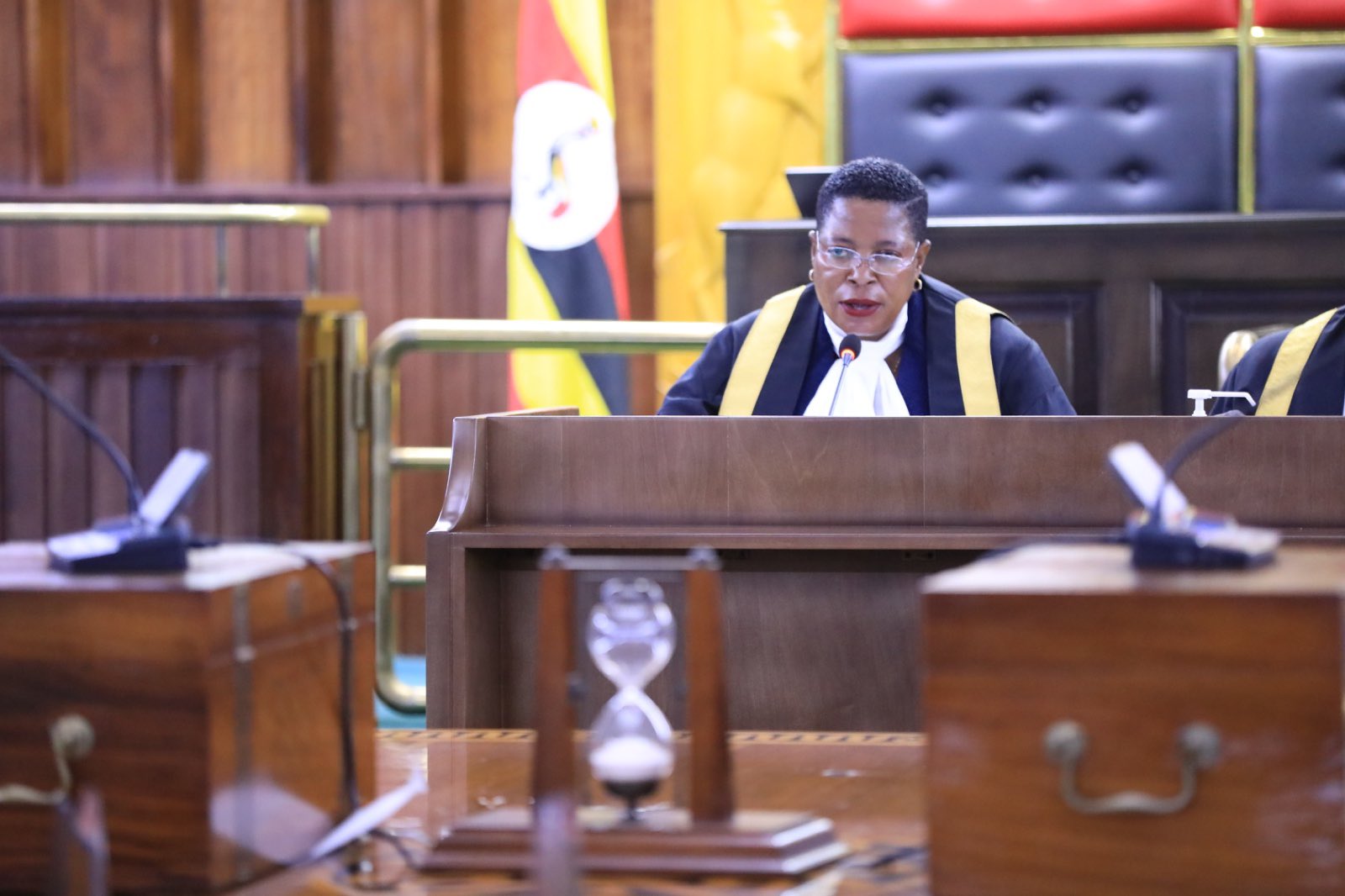
In response, Among acknowledged the delays but said terminating ROKO’s contract was not a viable option, citing the substantial funds already disbursed to the contractor.
“The contract could not be terminated because the company had already been paid,” she said, warning that cancellation would likely result in even greater financial losses for Parliament.
However, in a move aimed at addressing both delays and financial risks, the Parliamentary Commission—working with the Ministry of Finance—has stopped channeling funds directly to ROKO. Instead, payments are now being made straight to suppliers and service providers handling specific components of the project.
The new arrangement is expected to support ongoing works, including redesign adjustments following the earlier bomb blast incident and installations such as glass fitting, while tightening oversight and reducing the risk of further delays.
The prolonged construction timeline has intensified scrutiny over the management of the chambers project, with critics pointing to a disconnect between heavy public spending and the lack of visible progress.
With no clear completion date in sight, the delayed chambers have become a growing symbol of inefficiency, placing Parliament’s leadership under increasing pressure to deliver the long-promised facility and account for the billions already invested.