


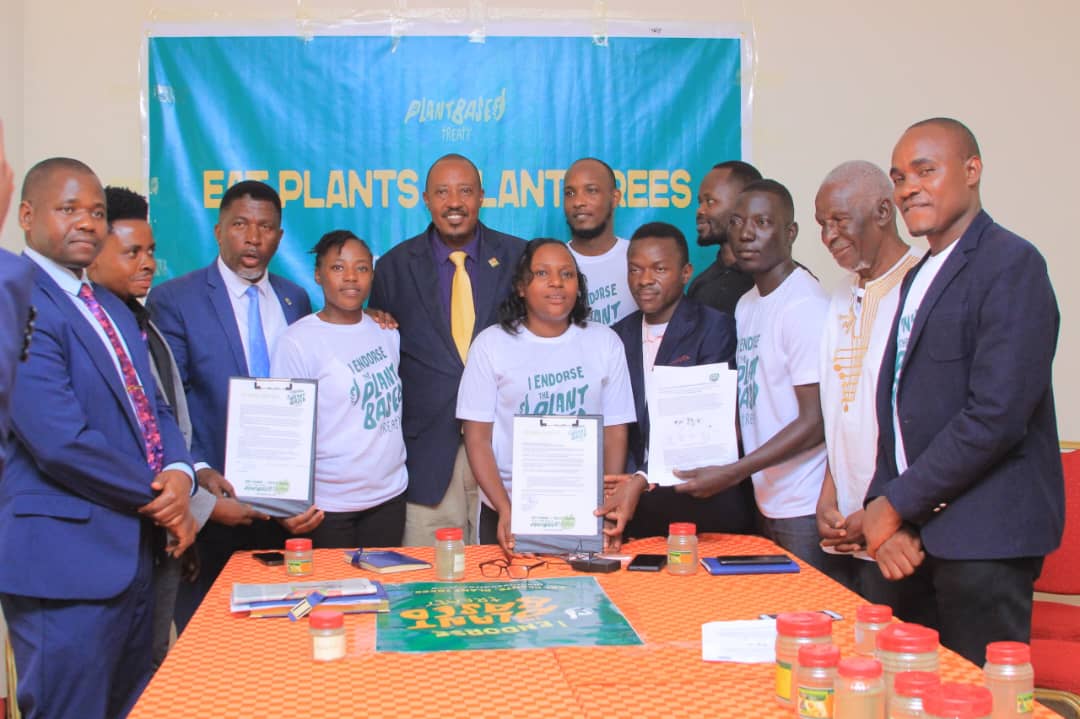
A growing movement in Uganda is urging the government to join the global shift toward sustainable food systems by endorsing the Plant-Based Treaty.
At the heart of the campaign is a shared vision to transform agriculture, protect ecosystems, and secure public health.
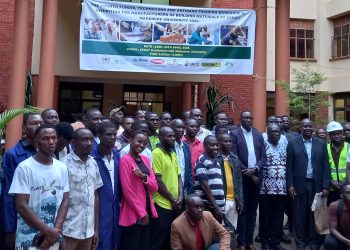
At a press briefing held at Hotel Triangle in Kampala, Reagan Eriga, a Plant Based Treaty campaigner delivered a passionate appeal to both policymakers and citizens.
“This is a crucial moment in our shared global journey toward sustainability, justice, and resilience,” Eriga said. “It is time for Uganda, Africa, and the global community to endorse the Plant-Based Treaty.”
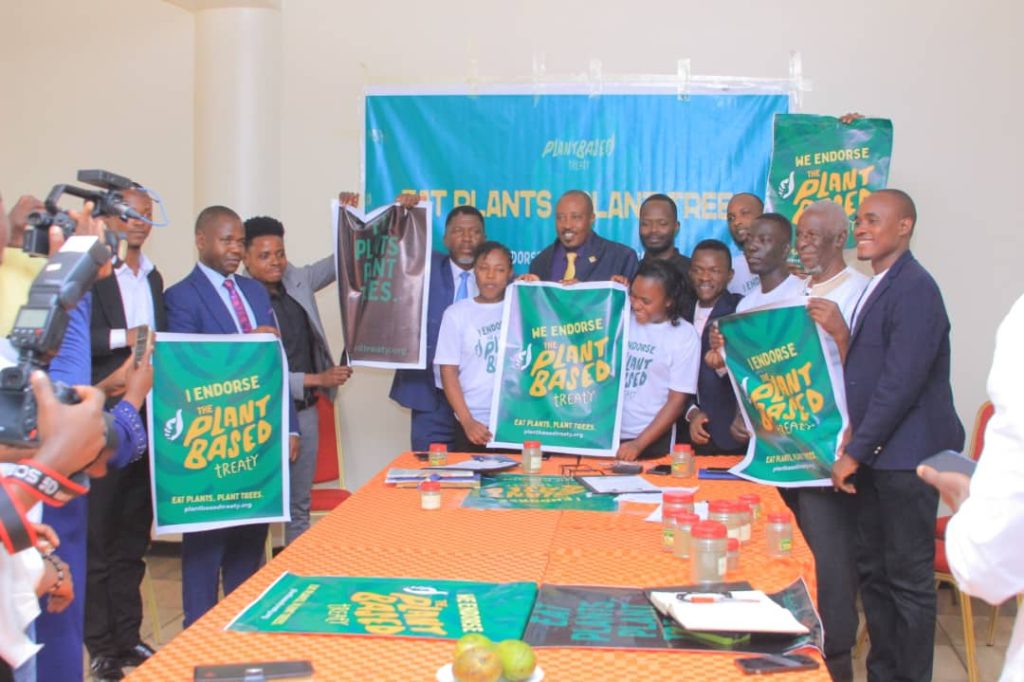
Framing the treaty as a vital step beyond symbolic commitments, Ainebyona emphasized its power to drive food sovereignty, equity, and economic opportunity.
“This is a call for bold leadership, informed decisions, and collective responsibility,” he noted. “Africa stands at a crossroads, we have the power to lead a global movement.”
Journalist and advocate Julius Kitone described the treaty as a necessary response to a broken global food system and the crises it fuels.
“Our planet is under immense pressure… and we now have a roadmap to address it: the Plant-Based Treaty,” he said. “Endorse the Treaty not just as a policy choice, but as a moral obligation to our citizens, to our environment, and to future generations.”
He urged youth, educators, and health workers to unite with civil society in demanding change. “This leadership must be collective,” he stressed.
Kitone also criticized industrial animal agriculture in the Global North and framed Uganda’s potential endorsement as a bold, principled stand.
“Uganda’s endorsement can serve as a powerful catalyst, urging the Global North to halt their destructive reliance on industrial animal agriculture.”
Adding political weight to the movement, Nakawa East MP Balimwezo Nsubuga, the event’s chief guest, voiced full support for the treaty and pledged to present it in Parliament.
“If we don’t address sustainability of the plants, then we are absolutely doing Africa [a disservice] when we don’t talk about protection,” he warned. “We need to protect them, and how do we protect them? Through policy.”
Dr. Muhereza Katongole backed the treaty on health grounds, highlighting its benefits for preventing chronic diseases.
“As we grow older, we are at risk of cardiovascular diseases. Plant-based diets have lower cholesterol, but also have the good cholesterol unsaturated fats,” he noted.
Meanwhile, Constatine Aporu, CEO of Noble Eco Space Foundation called the treaty a solution to food insecurity and ecological degradation.
“It addresses food insecurity, regenerates the Earth, and promotes a sustainable world for both humans and animals,” Aporu said.