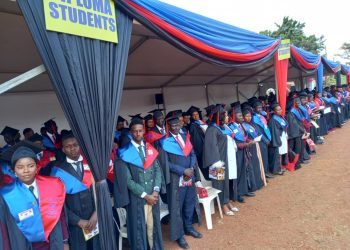



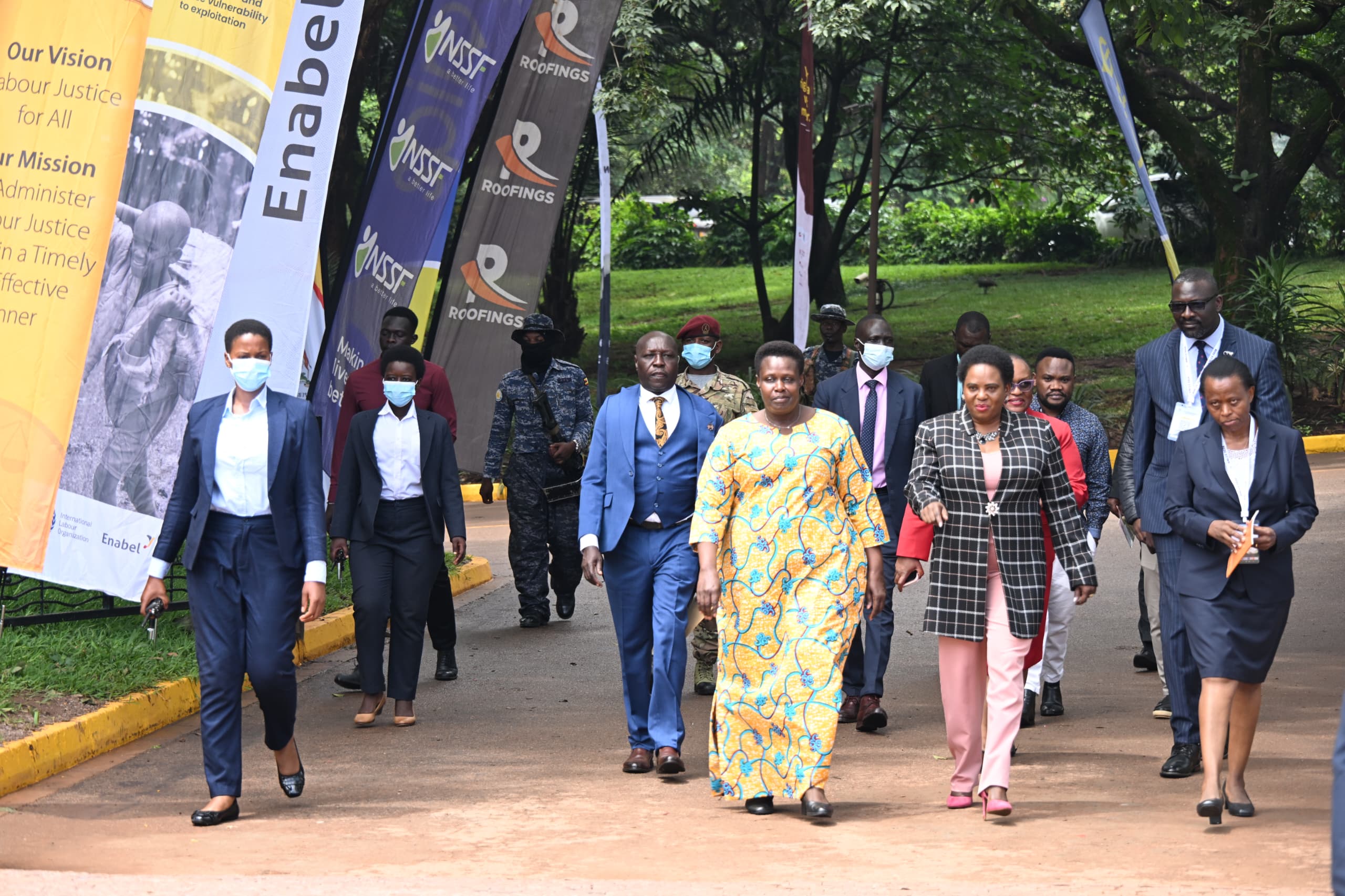
KAMPALA, Uganda : Government has announced plans to increase support for youth skills development as a way of addressing unemployment and reducing the number of young Ugandans seeking jobs abroad.
As articulated in the NRM Manifesto, Government will focus mainly on the following priorities in the next five years which include promotion of investment and industrial growth to expand job creation across priority sectors.
Additionally, it will also strengthen wealth creation and enterprise development initiatives, including support to small and medium enterprises and youth led businesses as drivers of new employment opportunities.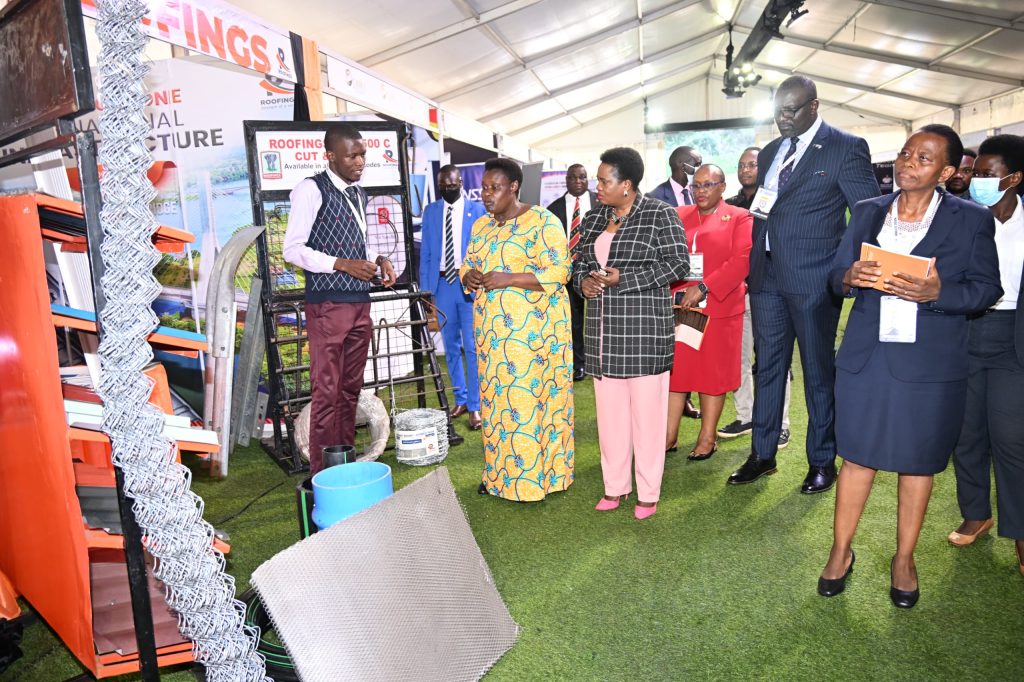 Officiating at the Fourth Annual National Labour Convention and Expo, organized by the Ministry of Gender, Labour and Social Development, VP Jessica Alupo said government shall strengthen labour administration and compliance, including enforcement of labour laws, policies, guidelines, standards and protecting workers’ rights across the country.
This year’s convention is organized under the theme, “Unlocking the Potential of Uganda’s Youth Labour Force: Advancing Productivity and Expanding Opportunities for Decent Work,”
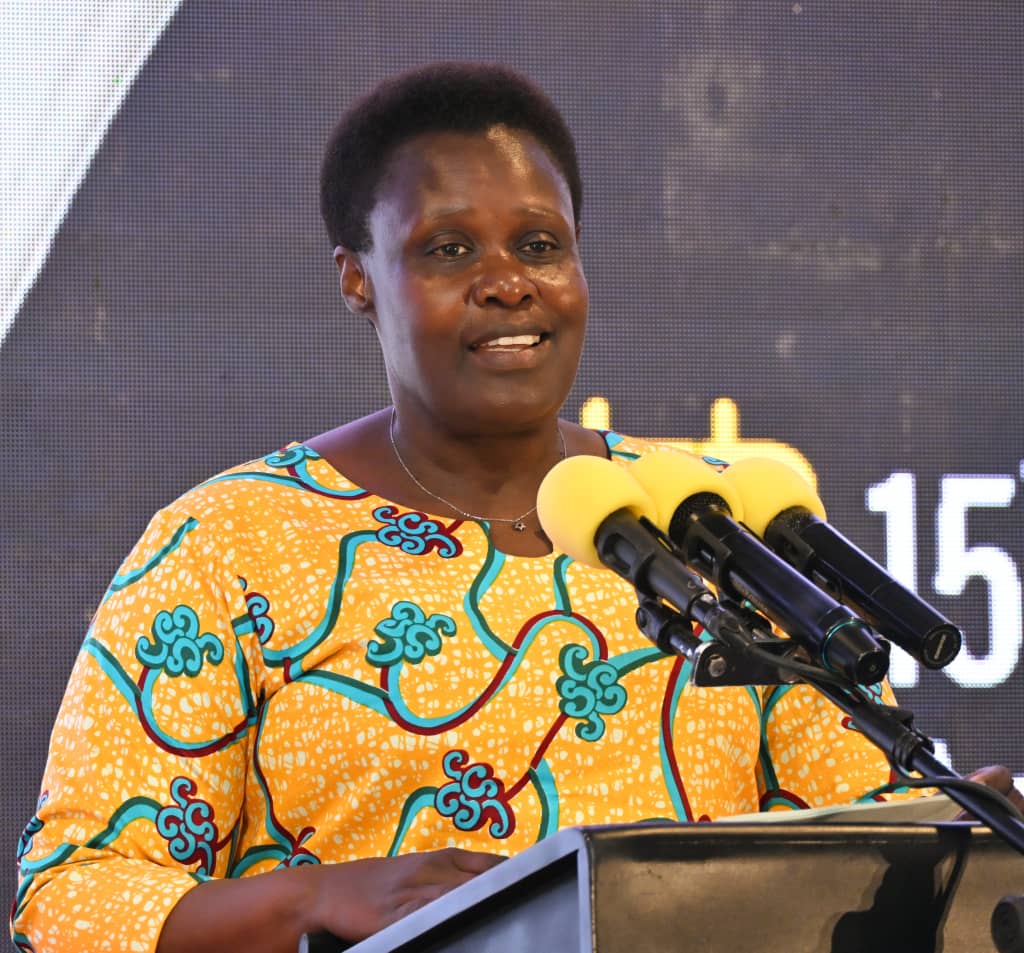
The theme, according to VP Alupo underscores positioning the youthful labour force as a catalyst for productivity, enterprise growth, and structural transformation across priority sectors, while strengthening labour governance systems that protect workers and promote decent work, as emphasized in the NRM Manifesto 2026–2031.
She emphasised that the Convention speaks directly to one of the most pressing priorities for our nation, and aligns with Uganda Vision 2040 and the National Development Plan, which emphasize human capital development as fundamental to unlocking the demographic dividend. It also reflects the NRM Manifesto 2026–2031 particularly the commitment to increase labour productivity, gainful employment, and skilling.
The VP explained that in the next five years, government shall promote fair and productive employment practices, including fair wages, timely remuneration, and secure employment contracts to shield workers from casualization and exploitation.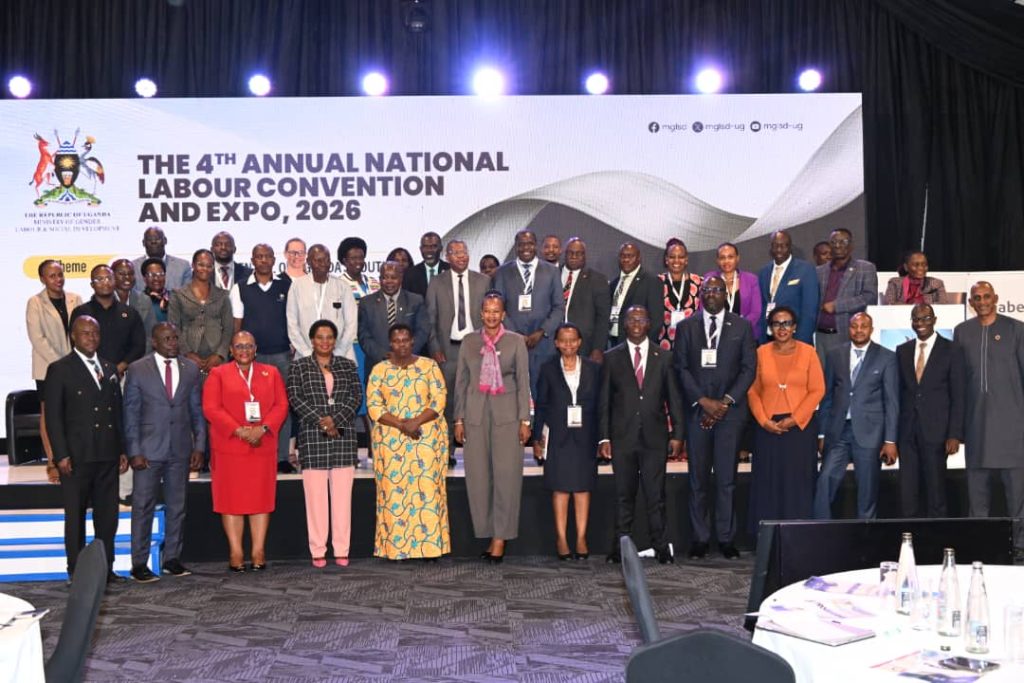 Government will also ensure that industrial parks have designated areas for development of convenient workers’ housing; and develop and strengthening labour market information systems to support policy-making, monitor employment trends, assess skills gaps, enforce labour standards, and support investment and social protection planning.
she reflected on the country’s journey when formidable challenges were faced by workers when the NRM assumed leadership in 1986.
“At that time, labour force numbered about 6.49 million, with agriculture employing 68% of the workforce, equivalent to 4.4 million people (National Labour Force Survey 2002/03 (Page 15), she said.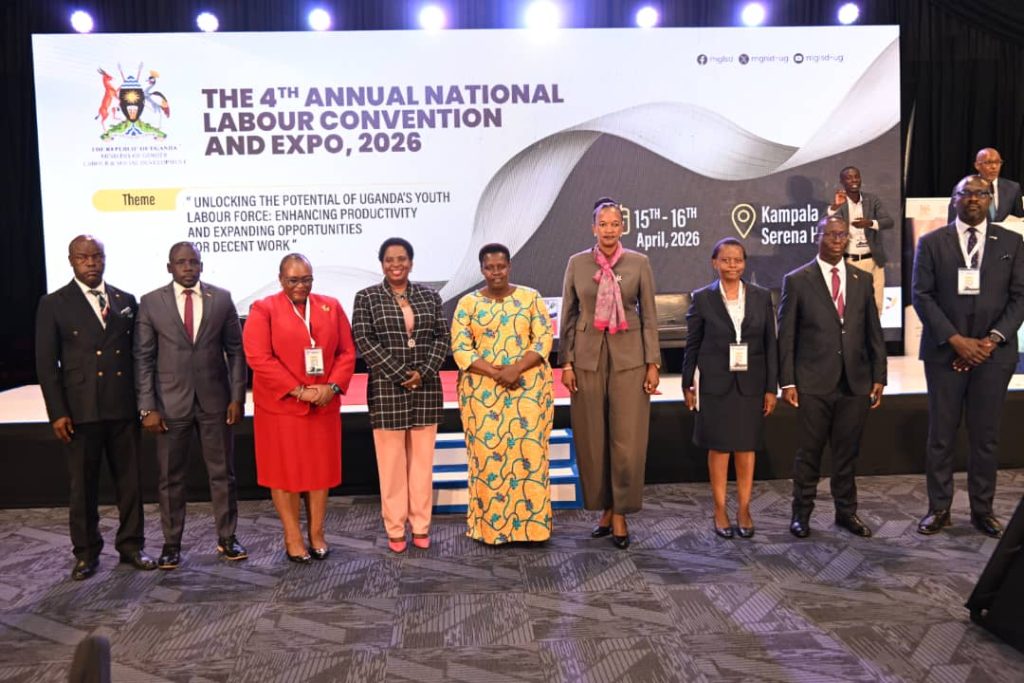 Other significant sectors, including manufacturing, accounted for 5.9%, Sales and Repair Services (11.2 %), and Education (2.8%), with additional contributions from sectors like Hotels and Restaurants (2.3%), fishing (0.8%) and Mining and quarrying (0.3%) among others.
She explained that during that time, many workers had also been laid off or made redundant by factories, and numerous public and private enterprises were operating way below capacity or had shut down.
And as a result, the labour force was making very limited contribution to productivity and overall economic performance, which was reflected by a miserable Gross Domestic Product (GDP) of USD 1.5 billion.
She however, said since then, the NRM Government has consistently implemented reforms aimed at restoring stability, promoting economic growth, and improving the livelihoods of our people.
‘’Today, our economy is more stable and resilient. Investments in energy, ICT, transport, health, and education have created a strong foundation for enterprise growth, job creation, and productivity enhancement. As we advance towards high middle-income status, our workers remain central to this transformation, as clearly articulated in the NRM Manifesto 2026–2031,’’ she said.
With 73.2 percent of the population aged between 0 and 30 years, and a projected population increase to 104 million by 2060 from 45.9 million in 2024 the potential for economic growth is substantial, provided we unlock the potential of Uganda’s Youth Labour Force and make the right investments in health, education, and skills development.
‘’It is encouraging to note improvements in the Human Development Index, which increased to 0.550 in 2022 from 0.525 in 2021, moving Uganda from the low to the medium human development category. However, human capital remains underdeveloped. The Human Capital Index stands at 0.38, indicating that a child born today will only achieve 38 percent of their full productivity potential with complete education and full health.
VP Alupo added that while progress has been registered, Government recognizes that challenges remain. Many young people continue to face challenges in accessing meaningful work due to skills mismatches, limited access to finance, and inadequate linkages between education and the labour market. Addressing these challenges is critical to ensuring that our youth actively contribute to national development.
At the same time, Government has made notable progress in strengthening labour governance policies that aim at improved protection for workers, clarifying employer obligations, and promoting decent work.
The establishment of the Industrial Court, Medical Arbitration Board, and Labour Advisory Boards have improved dispute resolution and strengthened social dialogue among employers, workers, and government. Furthermore, Government has also ratified key ILO conventions which have helped to align national labour standards with international best practices.
The vice president quickly said that while the above priorities and efforts provide a clear and strategic pathway, we must acknowledge that significant challenges remain in unlocking the full potential of Uganda’s youthful labour force.
‘’The transformation we seek cannot be delivered by Government alone. The NRM Government believes in partnership. The private sector must take the lead in in creating jobs and driving innovations. Employers must invest in their workers. Workers’ must embrace productivity, discipline, and patriotism. All of us must work together to build an economy that serves the interests of our people’’ she said.
She urged participants to use this platform to generate practical solutions that can be implemented at large scale. ‘’Let us focus on what works apprenticeships, enterprise development, digital innovation, and stronger linkages between education and employment,’’ the vice president said.
VP encouraged the stakeholders to us move from discussion to action, above all, remain guided by the NRM’s core principle: that Uganda’s development must be people-centred, driven by wealth creation, and anchored in social justice.
‘’I therefore urge all participants at this Convention to engage actively, share experiences, and generate actionable commitments that will expand opportunities for young people and enhance Labour productivity. We must ensure that the outcomes of this Convention translate into concrete actions,’’ she said.
Minister of Gender, Labour and Social Development Betty Amongi said through President Museveni, Government is deliberately shifting focus not just on job creation, but on creating quality, productive, and decent jobs that can sustain livelihoods and drive inclusive growth. ‘’Investment in industrialisation, infrastructure development, digital innovation, and regional integration complement these efforts, expanding opportunities for our youth across all sectors of the economy,’’ she said.
Government has prioritized wealth creation, job creation, and socio-economic transformation at the centre of the development agenda. This is being realized through strategic initiatives such as the Parish Development Model, the Youth Livelihood Programme, the Skilling Uganda Strategy, and reforms in in Technical and Vocational Education and Training, which are empowering young people with the skills, capital, and opportunities needed to participate meaningfully in the economy. Graduate volunteerism and apprenticeship programmes are bridging the school-to-work transition, enhancing productivity and employability.
Head of Public Service Lucy Nakyobe stated that government is committed to fighting corruption in recruitment processes within public service, emphasizing that only qualified individuals should be given jobs.
She also revealed that government is working with all ministries and agencies to ensure that graduates are given opportunities for internships and practical training within government institutions.