


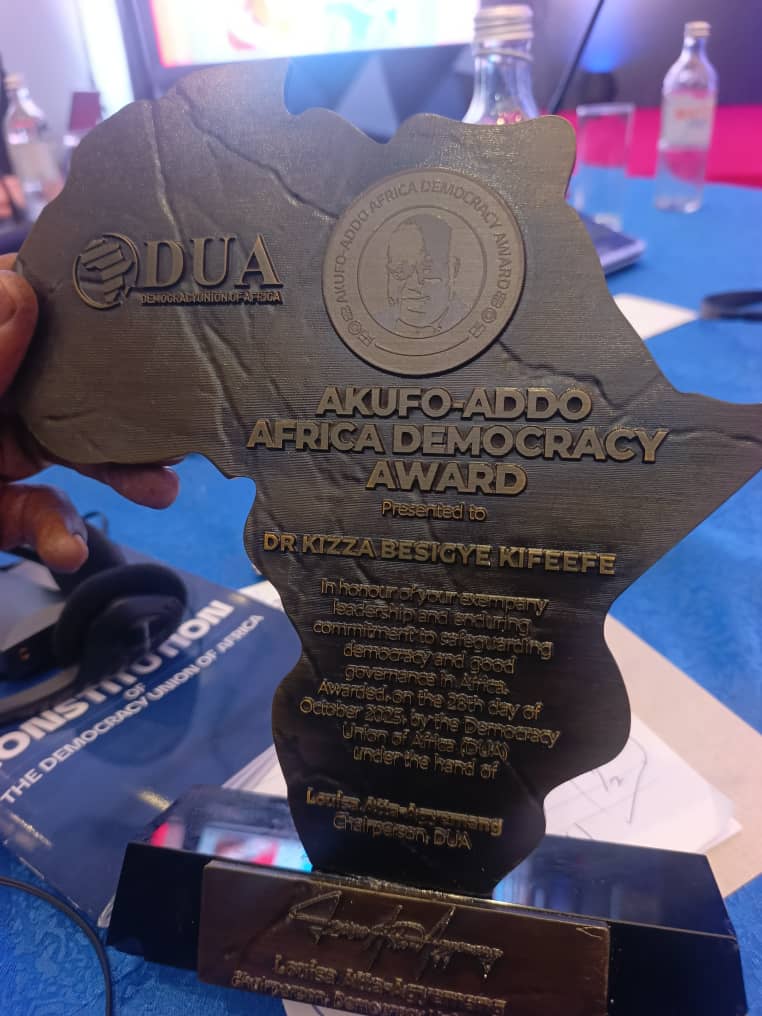
Imprisoned opposition leaders Col. Dr. Warren Kizza Besigye of Uganda and Tanzania’s Tundu Lissu ave been recognized as Champions of Democracy in Africa.
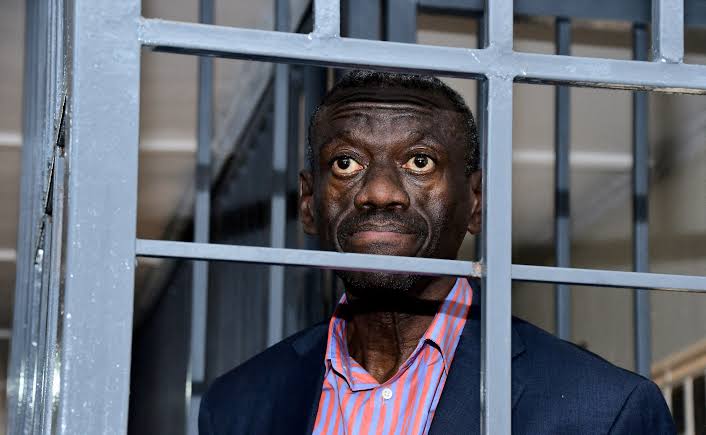
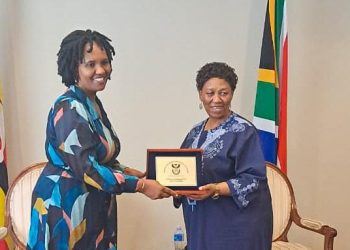
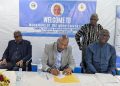
This was during the 2025 Democracy Union of Africa Conference, a ceremony that spotlighted the growing struggle for political freedoms across the continent.
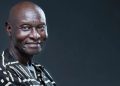
Besigye who has been in Luzira Maximum Prison, was arrested in Nairobi, Kenya, on Novemmber 16, 2024 where he had gone to attend an event organised by Kenya’s Martha Karua. Since then, he has been on remand fighting for his release.
The retired military officer and former physician to the sitting President of Uganda Yoweri Kaguta Tibuhaburwa Museveni, has stood against his master and losing four elections (2001-2016).
Besigye was born in Rwakabengo, Rukungiri Municipality, Rukungiri District, Southwestern Uganda, on April 22, 1956.
He is the second-born in a family of six, and both his parents died before he finished primary school. His father was a policeman. He went to Kinyasano Primary School and Mbarara Junior School for his Primary school education.
He later joined Kampala’s Kitante High School and Kigezi High School for his secondary school levels (O’Level & A’Level) respectively.
He later enrolled at Makerere University in 1975 and graduated with a degree in human medicine in 1980. During the NRA’s bush war, Besigye became President Museveni’s personal physician.
When they took over power in January 1986, he was appointed Minister of State for Internal Affairs. He later held the positions of Minister of State in the President’s office and National Political Commissar.
In 1991, he became the commanding officer of the mechanized regiment in Masaka, and in 1993 was appointed the army’s chief of logistics and engineering.
On July 7, 1999, Besigye married Eng. Winnie Byanyima now serving as the Executive Director forn UNAID’s. She has also served as the executive director of Oxfam International (2013–19).
In 1999, Besigye wrote a document critical of the government, “An Insider’s View of How the NRM Lost the Broad Base”. He was charged before a court-martial for “airing his views at the wrong forum”.
In October 2000, Besigye announced that he would run against his former boss Gen. Museveni in the 2001 elections.
He retired from the Uganda People’s Defence Forces in 2001, having attained the rank of colonel. During his campaign, Besigye, who was Museveni’s strongest opponent, accused the government of widespread corruption and pushed for an end to Museveni’s “Movement” system, which he said had served its purpose as an instrument in Uganda’s political transition to multiparty democracy.
He lost the election, which was marred by claims of widespread vote rigging, violence and coercion of voters. In March 2001 Besigye petitioned the Supreme Court to nullify the election results. A panel of five judges voted 5–0 that there had been cheating but decided 3–2 not to annul the elections.
In June 2001, Besigye was briefly arrested and questioned by the police over allegations of treason. The government accused him of being behind a shadowy rebel group, the People’s Redemption Army (PRA), allegedly based in DR Congo (DRC). Besigye’s supporters said the government had fabricated the existence of the insurgents to harm his credibility among Ugandans and the international community.
In August 2001, Besigye fled the country, citing persecution by the state. He said he was afraid for his life. He lived in South Africa for four years, during which time he continued to criticise Museveni’s government.
Besigye returned to Uganda in 2005, just in time to register as a voter in the 2006 elections.
He was greeted by thousands and hit the campaign trail almost immediately, addressing throngs of supporters across the country. He was arrested over treason charges and has since been in legal battles with the state, on various offenses to date
The founder and former President of the Forum for Democratic Change (FDC) party, was recognized by the Guinness World Book of Records as the most arrested man in the world.
Lissu’s award also came just days before Tanzania heads to the polls, a period marked by mounting criticism of President Samia Suluhu Hassan’s administration over the suppression of opposition voices and curbs on civil liberties.
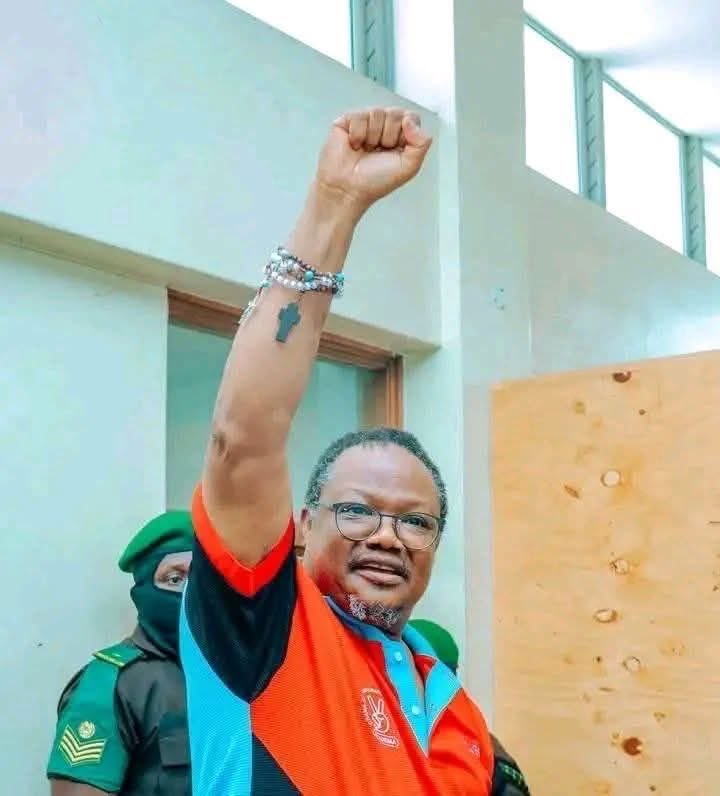
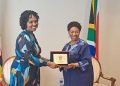
The award, named after former Ghanaian President Nana Akufo-Addo, was received on Lissu’s behalf by CHADEMA Secretary General Deogratius Munishi, who read the jailed politician’s acceptance speech.
“In the past six months that I have been in this maximum-security prison, charged with treason for calling for reforms to our rotten electoral system, CHADEMA has been slapped with a ban on political activity,” Lissu said in the message, drawing a standing ovation from delegates.
Former President Akufo-Addo, delivering the keynote address, urged African nations to resist the lure of authoritarianism and recommit to democratic governance. “There are those who would rather have authoritarian rule, arguing that democracy is cumbersome and slows development,” he said. “We still have much work to do to convince such people that democracy is the only sustainable path forward.”
Kenyan leaders KANU Chairman Gideon Moi and Democratic Party Leader Justin Muturi echoed similar sentiments, calling for respect for sovereignty and the rule of law.
“It is time we rise against radical populist politics and ensure we respect the sovereignty of our nations,” Moi declared, while Muturi emphasized that “all leaders in Africa must ensure that leadership is decided by the people.”
Akufo-Addo also condemned the resurgence of coups and unconstitutional power grabs in parts of Africa, describing them as a betrayal of decades of democratic progress. In a poignant moment, he paid tribute to the late Raila Odinga, Kenya’s former Prime Minister, lauding him as a towering figure in the continent’s pro-democracy movement.
“He embodied the shared belief of all of us gathered here that democracy, however painful its process, remains our greatest hope,” said Akufo-Addo.