



Kampala, Uganda — Agrochemical importers, manufacturers, and distributors under their umbrella body, CropLife Uganda, have finalized a petition to the government protesting the newly imposed taxes on agricultural inputs in the 2025/26 financial year. The petition is expected to be formally presented to the Permanent Secretary and Secretary to the Treasury (PSST), Mr. Ramathan Ggoobi, in the coming days.
Led by Chairperson Ms. Agnes Mbabazi Kabwiso, CropLife Uganda argues that the new llevies that’s 1.5% infrastructure levy and 1% declaration fee are likely to cripple Uganda’s agriculture sector by driving up costs for farmers, particularly smallholders who already struggle with affordability.
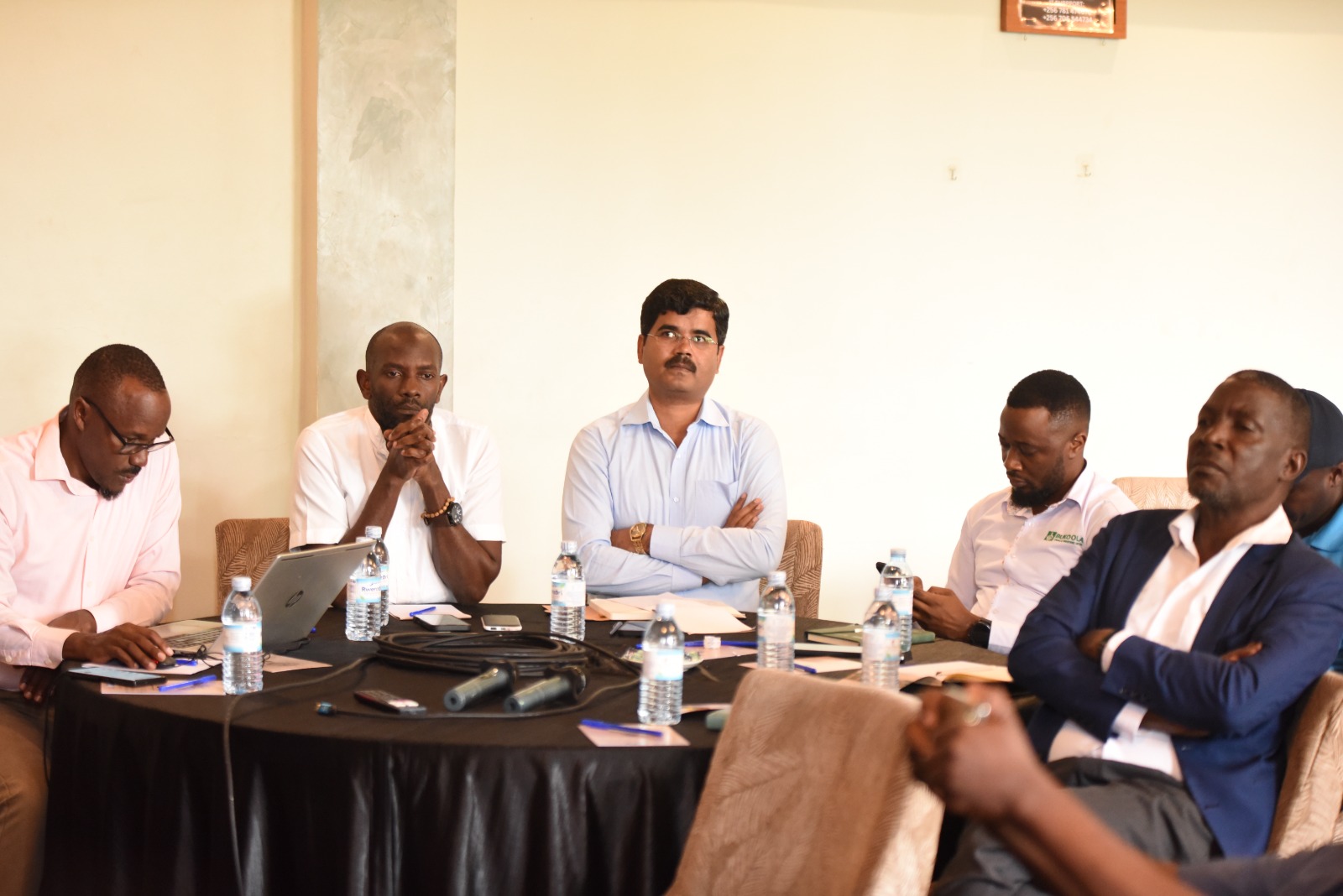
“With the changing climate and worsening weather patterns, agricultural inputs like fertilizers and pesticides have become essential for survival,” said Ms. Kabwiso during a stakeholders meeting at Fairway Hotel-Kampala.
She adde that “These taxes will only increase the cost of production for farmers, reduce productivity, and threaten national food security.”
The new levies came into effect on July 1, 2025, and apply to all imported agricultural chemical inputs, including pesticides, fungicides, herbicides, and fertilizers. While the law exempts farmers importing directly for their own use, stakeholders argue this exemption is practically meaningless for smallholder farmers who rely heavily on local distributors.
“Most Ugandan farmers lack the capacity to import these inputs on their own,” Kabwiso explained.

She further noted that the new taxes is an obstacle against the government’s ongoing efforts to promote agriculture through initiatives like the Parish Development Model (PDM).
Mr. Singh sharad, a member of CropLife Uganda, echoed these concerns, revealing that attempts to clarify the law with the Uganda Revenue Authority (URA) yielded little room for flexibility.
“I spoke to the Customs Commissioner and his team,” they acknowledged that while the law exempts ‘persons engaged in agriculture,’ it still taxes the importers and distributors who serve those very farmers. They told us to take the matter to Parliament if we want change.” Mr. Singh said.
He further criticized the government for imposing such levies in a country where over 70% of the population is engaged in agriculture.
“If we are saying farmers should import directly, then we’re pretending Uganda is a developed country. Instead of burdening agriculture, the government should impose such taxes on luxury items, not essential goods,” he argued.
CropLife Uganda is calling on the Ministries of Finance and Agriculture, as well as President Yoweri Museveni, to reconsider the new tax policy.