


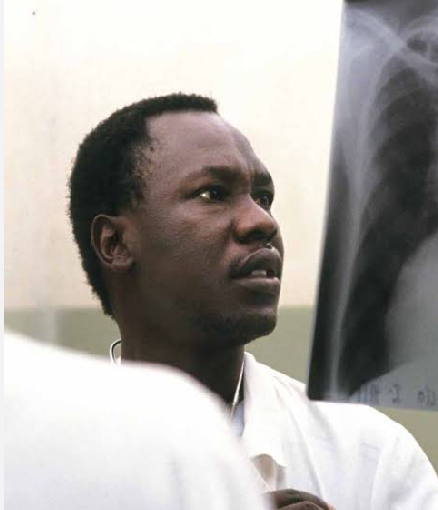
When Ugandans celebrate heroes, few names deserve greater recognition than Dr. Matthew Lukwiya. Yet, despite his extraordinary contribution to the nation, many people know him only as the doctor who died during the Ebola outbreak of 2000. That version of the story is true, but it barely scratches the surface of a life defined by courage, sacrifice, and unwavering service.
In my view, Dr. Lukwiya stands among the greatest heroes Uganda has ever produced in the health sector.
His death during the Ebola epidemic was not an isolated act of bravery; it was the final chapter of a life that had consistently placed the wellbeing of others above personal comfort, safety, and ambition.
Born in humble circumstances in Kitgum, Lukwiya could easily have remained trapped by poverty.
Instead, through academic excellence and determination, he rose to become one of the brightest medical minds of his generation.
What makes his story remarkable is not simply that he succeeded, but that after success found him, he repeatedly chose service over self-interest.
At a time when many talented professionals would have sought safer and more lucrative opportunities abroad, Lukwiya chose to remain at St. Mary’s Hospital Lacor in Gulu.
Even after excelling at the Liverpool School of Tropical Medicine and being offered a promising career in England, he returned home. He deliberately chose a region ravaged by conflict, uncertainty, and hardship because he believed his people needed him more than any foreign institution did.
His leadership during the Lord’s Resistance Army insurgency revealed the depth of his character long before Ebola arrived.
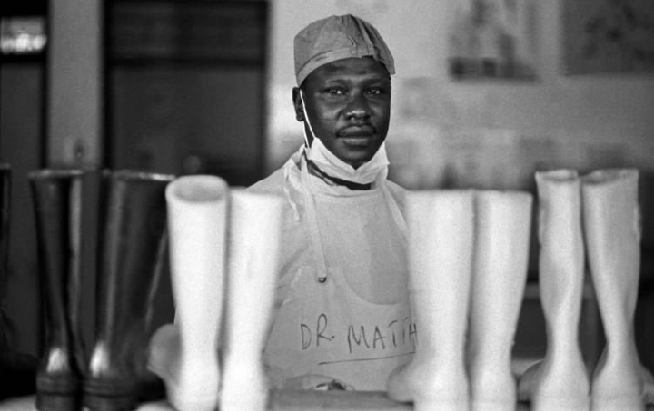
While others fled danger, he remained. He negotiated with rebels to protect hospital staff, offered himself in place of vulnerable nuns, and transformed the hospital into a sanctuary for thousands seeking refuge from violence.
These were not the actions of a man simply doing his job; they were the actions of someone who understood leadership as sacrifice.
By the time Ebola struck northern Uganda in 2000, Lukwiya had already spent years proving his heroism.
When signs of the deadly disease emerged, he moved with urgency and clarity while others were still trying to understand what was happening.
His quick decisions, medical expertise, and ability to organise an effective response helped save countless lives. International health teams arriving in Uganda found systems already functioning because Lukwiya had acted before bureaucracy could slow the response.
What moves me most about his story is that he never asked others to face risks he was unwilling to face himself.
While fear spread through communities and hospitals, he continued working alongside his staff in the isolation ward. He encouraged frightened health workers to remain steadfast, not through commands, but through personal example.
Even after contracting the disease himself, he continued to lead.
His final days reflected the same courage that had defined his life.
Knowing the danger, understanding the odds, and fully aware of what lay ahead, he chose duty over self-preservation. That level of commitment is rare in any profession and extraordinary in healthcare.
Today, discussions about heroes often focus on soldiers, politicians, or historical figures who shaped the nation through power and conflict. Yet Dr. Matthew Lukwiya reminds us that some of the greatest heroes save lives rather than take risks for glory.
He fought not with weapons but with knowledge, compassion, and an unshakable sense of responsibility.
For me, the true lesson of Dr. Lukwiya’s life, is that heroism is not measured by a single moment. It is measured by the choices a person makes every day when no one is watching.
He had already been hero for years, Ebola outbreak just made him popular.
As we honour those who have served Uganda, Dr. Matthew Lukwiya deserves to be remembered not merely as a victim of Ebola, but as one of the most inspiring heroes the country’s health sector has ever known.