


Across many rural communities, young people with disabilities continue to face barriers to participating in financial services, agricultural value chains, and livelihood opportunities. Limited access to information, inaccessible processes, inadequate support, and perceptions of young people with disabilities as high risk borrowers often prevent them from pursuing viable enterprises even where opportunities exist.
Through the Stimulating Agribusiness for Youth Employment (SAYE) project, ASIGMA, in partnership with Heifer International and Financial Sector Deepening Uganda (FSDU), Consortium for Enhancing University Responsiveness to Agribusiness Development (CURAD), Federation of Small and Medium Enterprises Uganda (FSME), is working to address these barriers. The programme combines skills development, enterprise support, access to finance, and partnerships with local financial institutions for youth in agribusiness, in Busoga region.
Under SAYE’s access to finance component, ASIGMA works with SACCOs to strengthen their capacity to provide affordable and youth responsive financing. Through this approach, participating SACCOs provide loans to eligible young people to invest in and grow agribusiness enterprises, with borrowers expected to repay the financing through the SACCO. The programme also places deliberate focus on disability inclusion, targeting 3% participation of young people with disabilities and engaging Disability Inclusion Facilitators (DIFs) to support their participation in programme activities.
At Nakanyonyi SACCO in the Busoga region, two young people with disabilities have so far accessed loans to support their agribusiness enterprises through the SAYE Credit Fund. Among them is Nandego Ritah, 25 year old poultry entrepreneur with hearing impairment whose experience demonstrates what becomes possible when access to finance is combined with deliberate inclusion.
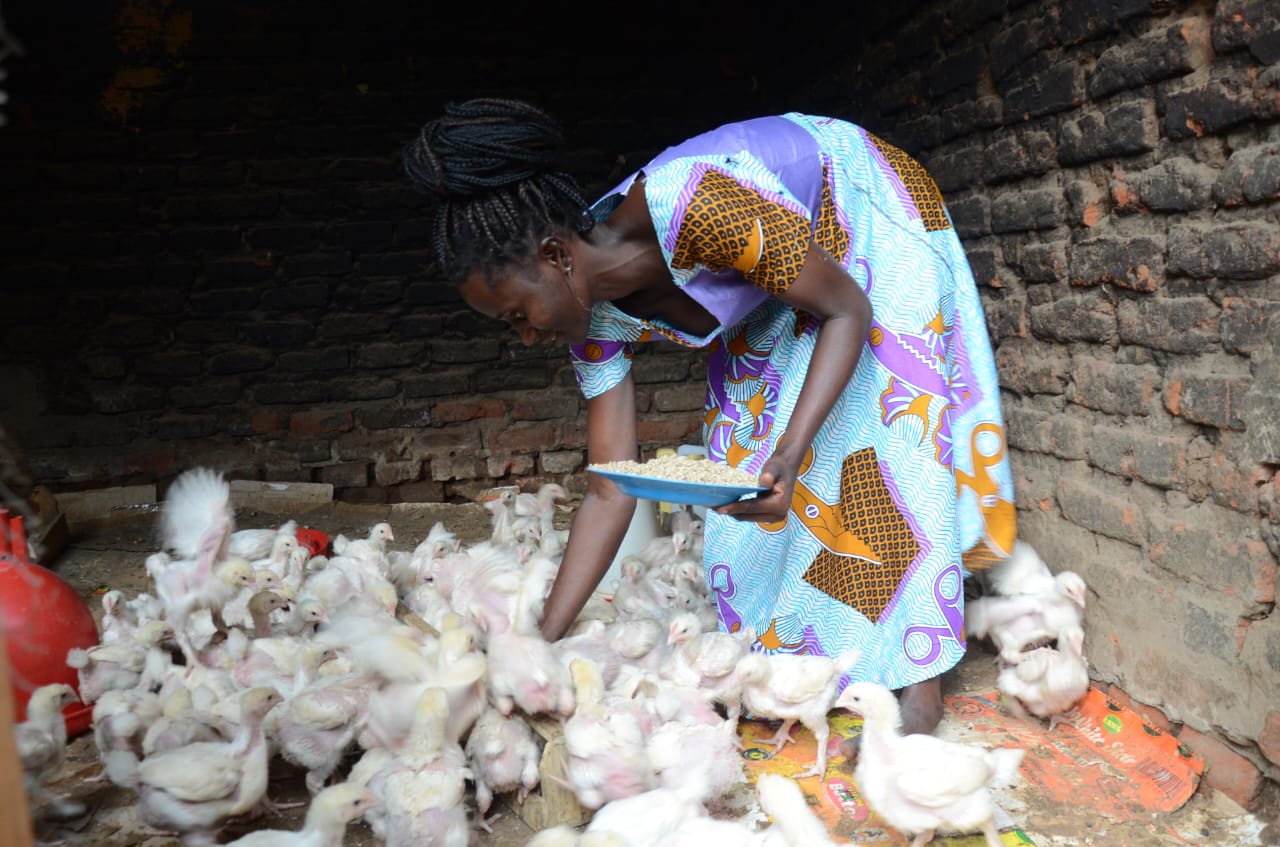
For Nandego Ritah (25) a member of Bwera Youth West Striving, poultry has opened a pathway to productive work, income, and greater independence. Before entering the enterprise, Ritah had been searching for something she could do to improve her standard of living.
She initially received 200 broilers through the SAYE programme, together with the feed required for the first production cycle. The support allowed her to gain practical experience in caring for the birds and managing a poultry enterprise. However, after the initial cycle, she needed additional capital to purchase feed and equipment and continue growing the business.
Ritah subsequently accessed a UGX 500,000 loan through Nakanyonyi SACCO, which she used to purchase feeders, drinkers, and other poultry equipment. She later received a second loan of UGX 800,000 in May 2026 and is currently rearing 300 broilers.
“I wanted a business that would keep me productive and help me support myself independently. Today, poultry keeps me busy, gives me an income and allows me to contribute to my daily needs.” – Ritah Nandego
Currently, her father assists with finding buyers and communicating the availability of the birds to the wider community. This family support has complemented Ritah’s own work in managing the poultry enterprise and has helped her participate more fully in the market.
Making Financial Inclusion Practical: The role of Disability Inclusion Facilitators
Ritah’s progress has also been supported by Disability Inclusion Facilitators (DIFs), who help identify young people with disabilities, connect them to training and enterprise opportunities, and support their participation in financial services.
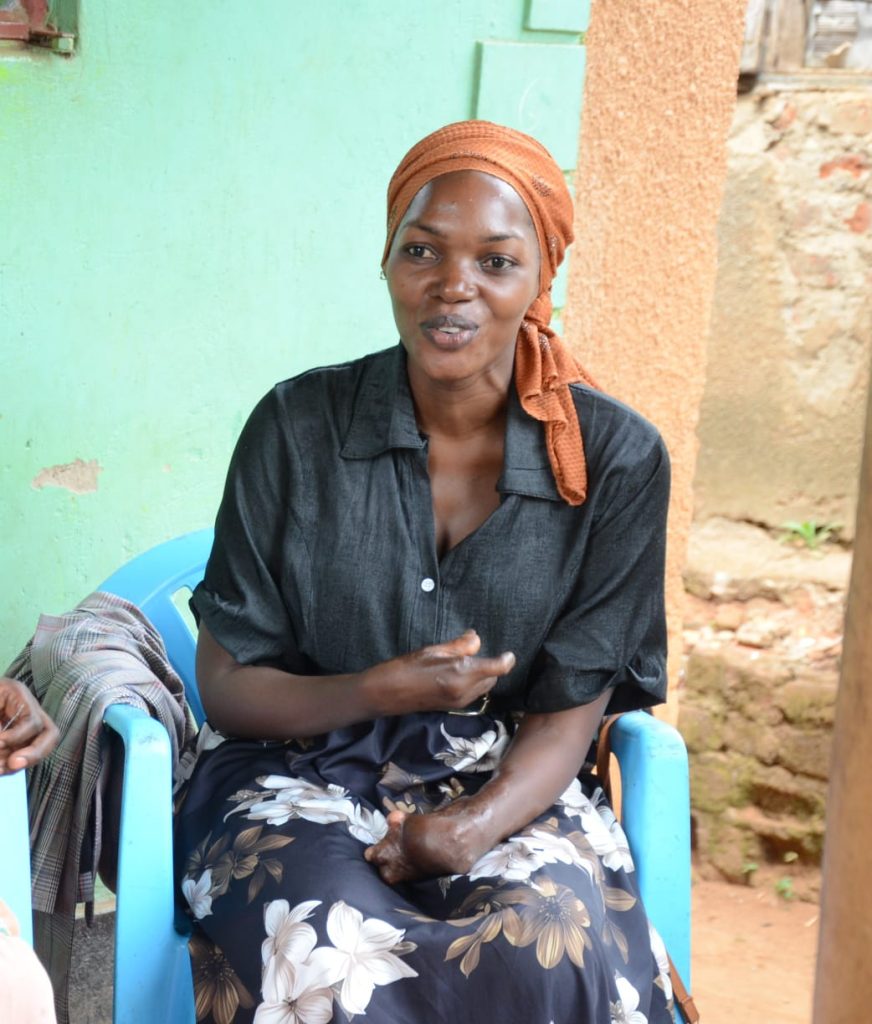
“I thank the SAYE programme for bringing me on board to ensure that young people with disabilities are not left behind. I currently support 12 young people with different impairments who are participating in the programme and entering production. Ritah is one of them. I encouraged her to engage in poultry and access finance, and her progress shows that disability does not stop someone from farming and developing a decent livelihood.” – Nalutala Aisha, (DIF)
The support provided by Disability Inclusion Facilitators is particularly important where communication barriers may prevent a participant from independently accessing information, training, or financial services.
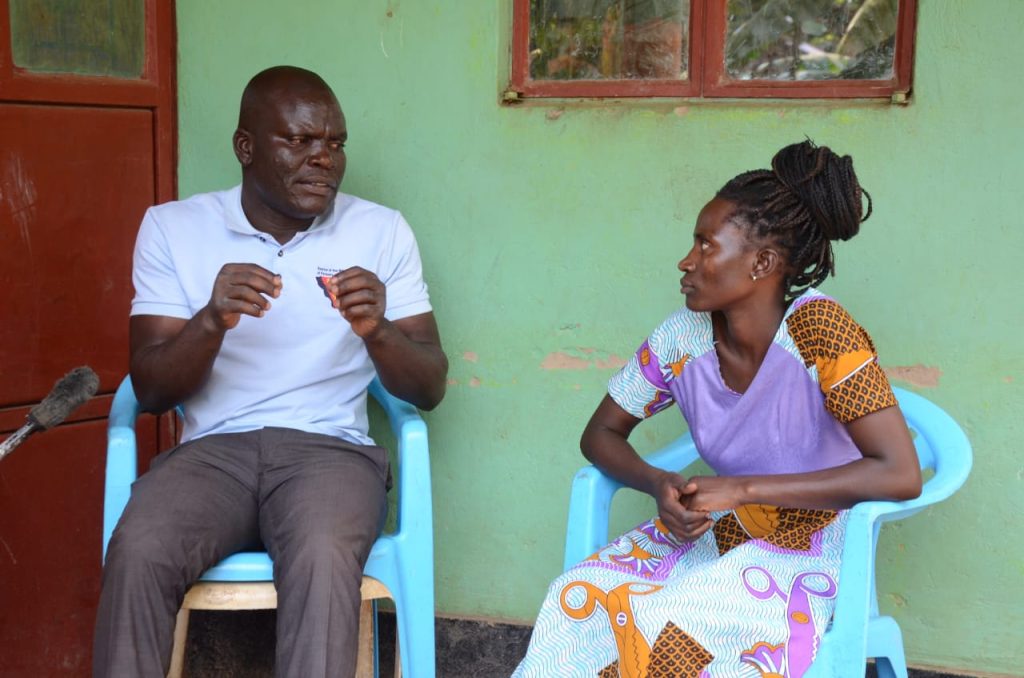
“Ritah is deaf, but she is doing wonders. The question is whether information and financial services are communicated in a way she can access. Accessibility goes beyond entering a building. It includes being able to receive information, communicate with the institution, and access finance with the appropriate support.”- Rashid Kalule (DIF)
Rashid’s experience highlights the need for financial institutions to consider communication, training, and individual support requirements alongside physical accessibility. With the appropriate preparation and institutional understanding, young people with disabilities can participate more effectively in financial services.
The Road Ahead: Scaling Evidence and Inclusive Finance Solutions for Youth with Disabilities
Ritah’s progress is reflected not only in the number of birds she now manages, but also in the greater independence, responsibility, and economic participation her enterprise has enabled. Her experience demonstrates how inclusive finance, supported by accessible communication and local facilitation, can help young people with disabilities build viable enterprises, contribute to their households, and pursue dignified work.
By embedding disability inclusion within enterprise support and the SACCO financing pathway, the SAYE programme is helping create practical routes into finance and employment for young people with disabilities. Through this approach, ASIGMA in partnership with Heifer International, and consortium partners are strengthening the systems needed for more young people with disabilities to participate in agribusiness as producers, borrowers, and entrepreneurs.