


Once a trusted driver and operations manager for one of Uganda’s most notorious alleged human trafficker for sex trade, Troy now finds himself trapped in a new prison, one built not of walls, but of fear.
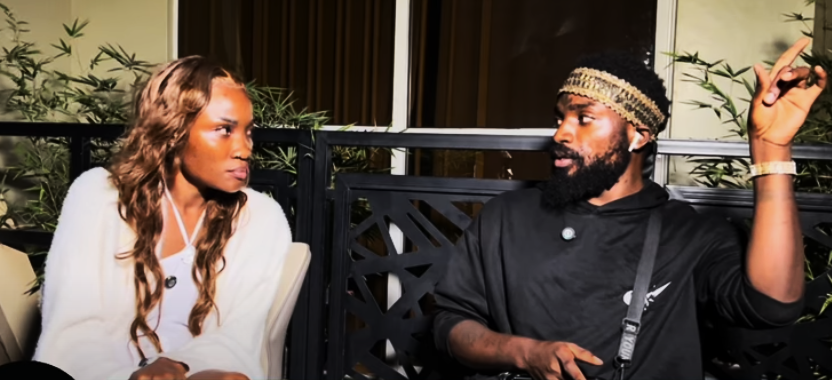
Just days after a chilling BBC Eye investigation pulled back the curtain on a sophisticated trafficking network exploiting vulnerable women under the pretense of opportunity, one of its key insiders is now fearing for his life. Troy, who worked closely with Charles Mwesigwa, also known as Abbey, the investigation’s main suspect, has gone into hiding, terrified of what might come next.
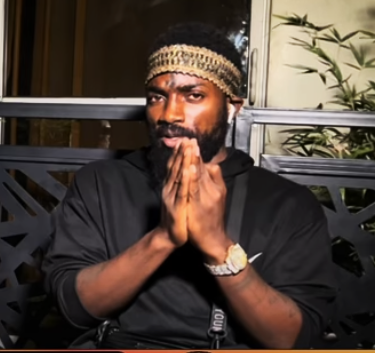
“I don’t feel safe. I can’t trust anyone anymore,” Troy said during a tense, emotionally charged interview on Sheilah Price TV, a YouTube-based media platform. “I’ve been receiving strange calls ever since the story aired. But I don’t answer. I just look at the screen and let them ring out. I don’t know who’s calling, or why.”
For Troy, the decision to speak out has come at a heavy price. He now moves with caution, avoiding public spaces, unsure if he’s being watched or targeted.
“Those who truly want to help should understand what I’m going through. This isn’t just fear, this is survival,” he said.
While critics accuse him of being complicit, as the man who was behind the wheel transporting girls to unknown fates, Troy offers a sobering reflection instead.
“I don’t deny my past,” he admitted. “But sometimes, God puts you in darkness so you can expose it. You can’t fight Satan if you don’t know how he works. Maybe this was God’s way, using me to bring the truth into the light.”
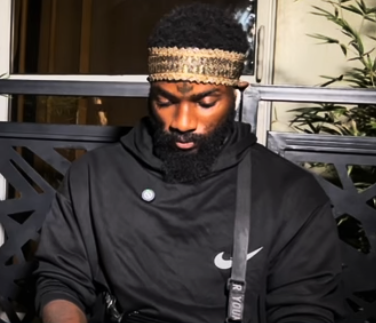
Visibly burdened, Troy also extended an apology to those whose livelihoods may have been disrupted by his revelations. But he remained firm on why he came forward.
“I want to say sorry to anyone I might have hurt by speaking out. I’m not a bad person. But what we were dealing with involved death. I feel like the spirits of the girls who died pushed me to speak. I didn’t mean to hurt anyone, I just couldn’t keep quiet anymore,” he noted.
Troy’s testimony has become a crucial piece in unravelling a network that preys on hope and desperation. But his fear serves as a stark reminder: in the war against human trafficking, truth-tellers often pay the highest price.