


The Ministry of Local Government (MoLG), in collaboration with the National Planning Authority (NPA), has convened a high-level national workshop bringing together physical planners from across the country to validate new planning guidelines and enhance the capacity of local governments in physical development planning.
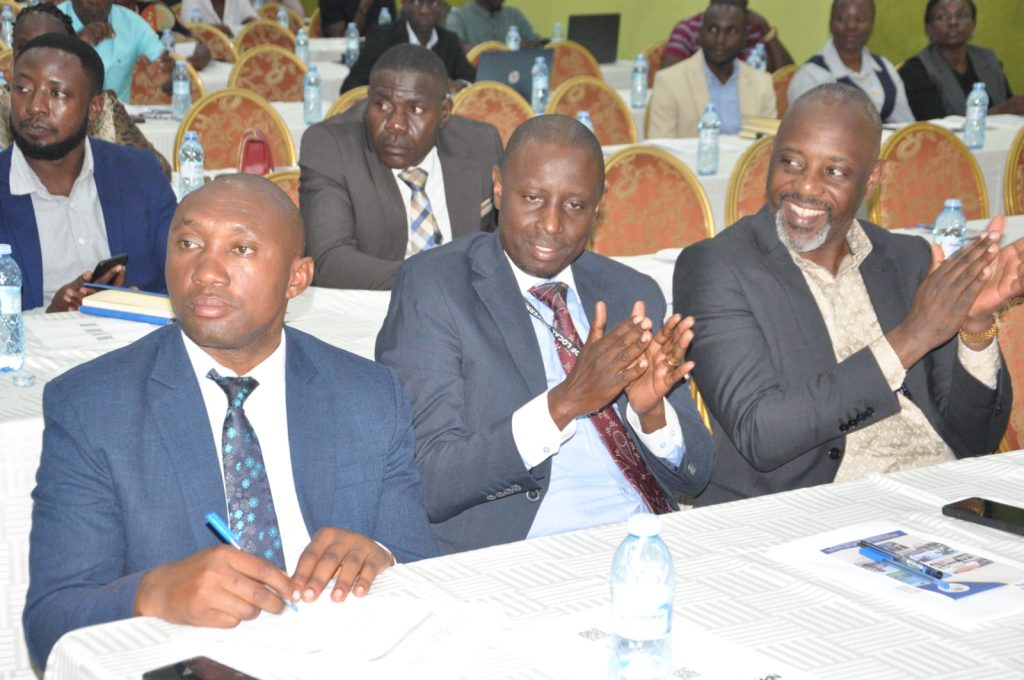
The workshop focused on reviewing and validating key guidelines on the preparation and approval of physical development plans, change of land use procedures, appeals handling, and the application of the Physical Planning Compliance Assessment Tool.
The goal is to ensure a more streamlined, accountable, and effective approach to physical planning nationwide.
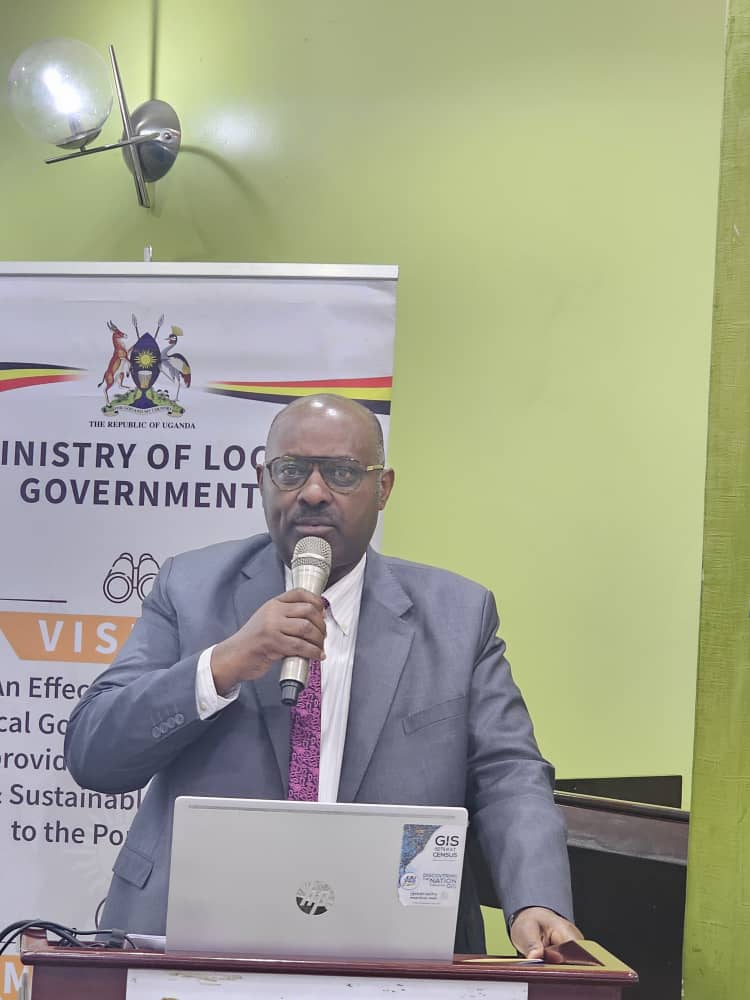
Opening the event, the Permanent Secretary of the Ministry of Local Government, Ben Kumumanya, welcomed participants drawn from regions including Amolatar, Adjumani, and Karenga.
He praised the commitment of local government planners and emphasized the importance of sharing knowledge with colleagues who could not attend.
“There is an urgent need to validate these guidelines and tools to ensure our local governments align with international best practices,” the Permanent Secretary said. “This alignment is critical if we are to implement physical development plans that support investment, infrastructure growth, and sustainable community development.”
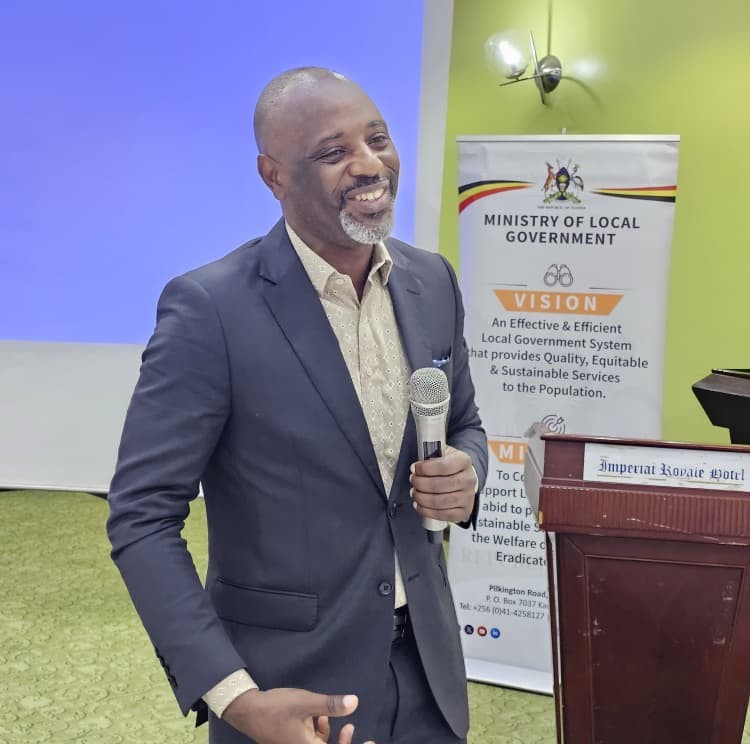
He highlighted persistent challenges faced by many local governments, including inadequate staffing and funding for physical planning functions.
In some districts, physical planning committees are non-functional, leading to the rise of unregulated developments that burden infrastructure, increase pollution, and hinder planned urban growth.
To mitigate these issues, the Ministry is partnering with the College of Engineering, Design, Art, and Technology (CEDAT) to deploy graduate trainees to support local governments in developing affordable and locally appropriate physical development plans.
Kumumanya, the Permanent Secretary, urged districts to proactively engage with these initiatives and reaffirmed the Ministry’s commitment to supporting effective implementation.
“The reorganization of physical planning is vital if we are to achieve meaningful social and economic transformation,” he added, calling for standardized procedures and improved stakeholder coordination across all levels of government.
Dr. Joseph Muvawala, Executive Director of the National Planning Authority, announced a dedicated fund to support physical planning efforts at the local level.
He said that reporting lines for physical planners would be streamlined to improve accountability and efficiency, enabling quicker decision-making and better results.
Muvawala challenged planners to ensure that every local government has both structural and detailed physical development plans that extend to the village level.
He discouraged over-reliance on external consultants, advocating instead for greater use of internal technical expertise within districts.
“These regional physical planning workshops should not stop here. They must evolve into regular knowledge-sharing platforms that strengthen planning capacity and ensure nationwide consistency,” he stated.
He also called on participants to act as trainers of trainers (ToTs) upon returning to their districts, ensuring that the insights gained during the workshop are shared and implemented at the grassroots.
As Uganda pushes forward with its National Physical Development Plan (NPDP) and Vision 2040 goals, the workshop marks a significant step toward ensuring that physical planning is professional, inclusive, and responsive to both current challenges and future growth needs.