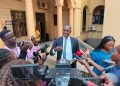




NEBBI DISTRICT : A recent monitoring visit to two government-aided primary schools in Nebbi District has revealed alarming gaps in staffing, infrastructure, and learning materials, raising concerns over declining academic performance.
The inspection, conducted in Kucwiny and Atego sub-counties, focused on Akaba and Akango Primary Schools, where administrators painted a grim picture of persistent challenges undermining effective teaching and learning.
At Akango Primary School in Atego, Head Teacher Jimmy Onegiu reported a total enrollment of 548 pupils, 285 boys and 263 girls.
He attributed the school’s low academic performance to severe understaffing, a shortage of desks, and limited access to essential textbooks.
“Onegiu appealed to government authorities to prioritize building additional classrooms and staff quarters, highlighting that many teachers travel long distances to work, which affects their efficiency and availability.
He also cited delays in government fund disbursements, inadequate latrine facilities, and the lack of electricity needed to operate teller machines for proper record-keeping.
Meanwhile, Akaba Primary School in Kucwiny Sub-county, established in 1936, enrolls 1,292 pupils, with 34 candidates registered for this year’s Primary Leaving Examinations (PLE).
The headmistress reported similar constraints, including overburdened infrastructure and limited parental involvement, both of which have negatively impacted learners’ results.
School records show that only seven candidates achieved Division Two in last year’s PLE, while the majority scored in Division Three and Division U, underscoring the urgent need for targeted interventions.
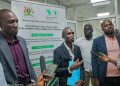
Irene Amia, Regional Coordinator for West Nile at the Office of the National Chairman (ONC), who led the monitoring visit, stressed the importance of collaborative efforts between government, local leaders, and parents to improve learning conditions and restore academic excellence in Nebbi District.