


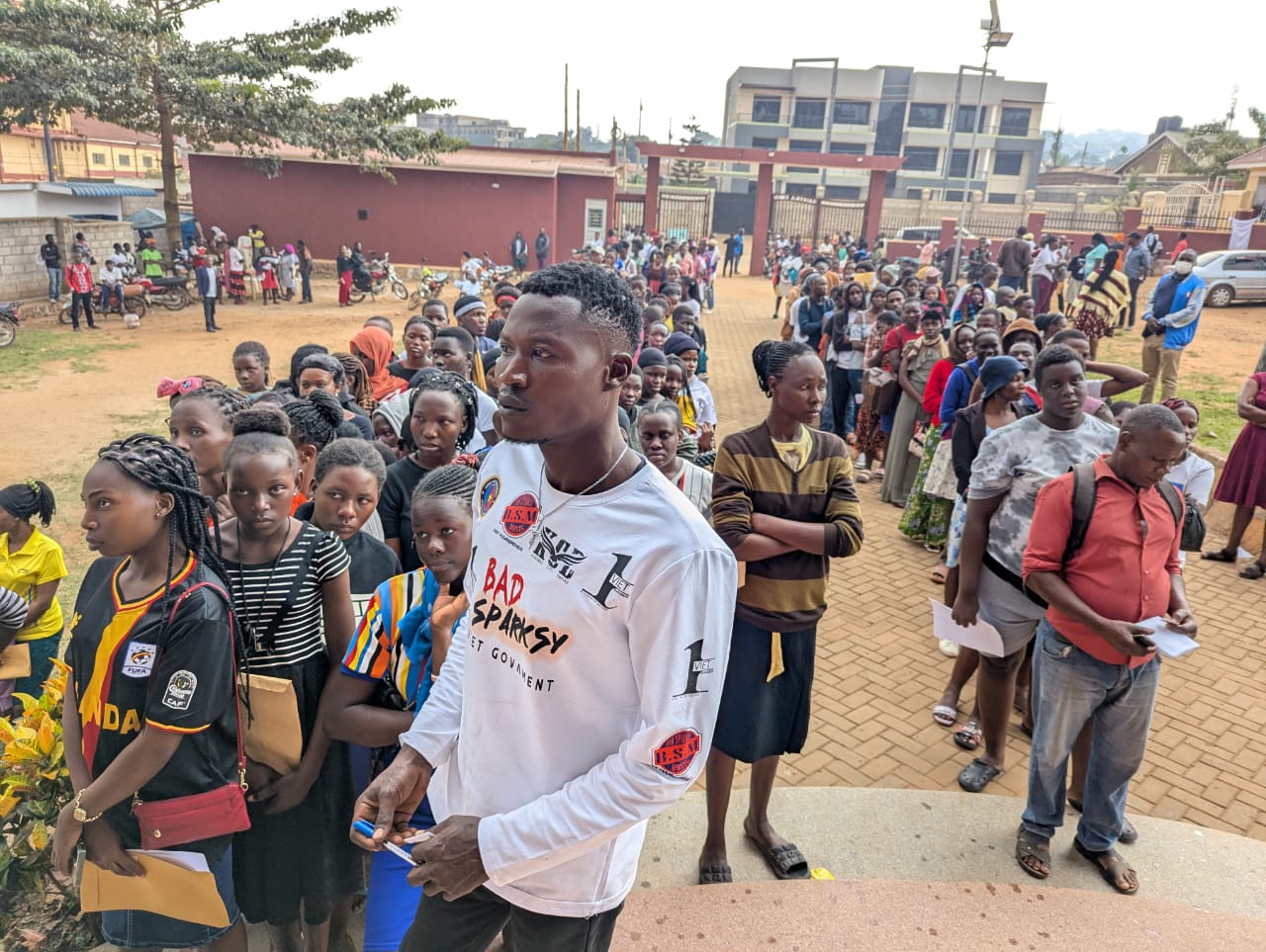
More than 6,000 young people have registered for the eighth cohort of the Presidential Initiative on Skilling the Girl and Boy Child (PISGBC) across nine skilling centres in Kampala, signalling growing demand for practical vocational training among unemployed and disadvantaged youth.
The registration exercise, conducted across Kampala, attracted large numbers of young men and women seeking opportunities to acquire hands-on skills that can enable them to secure employment or establish their own businesses.
At several centres, the number of applicants exceeded the available training spaces, according to Dr. Faith Katana Mirembe, the Special Presidential Assistant on Education and Skilling and head of the initiative in Kampala.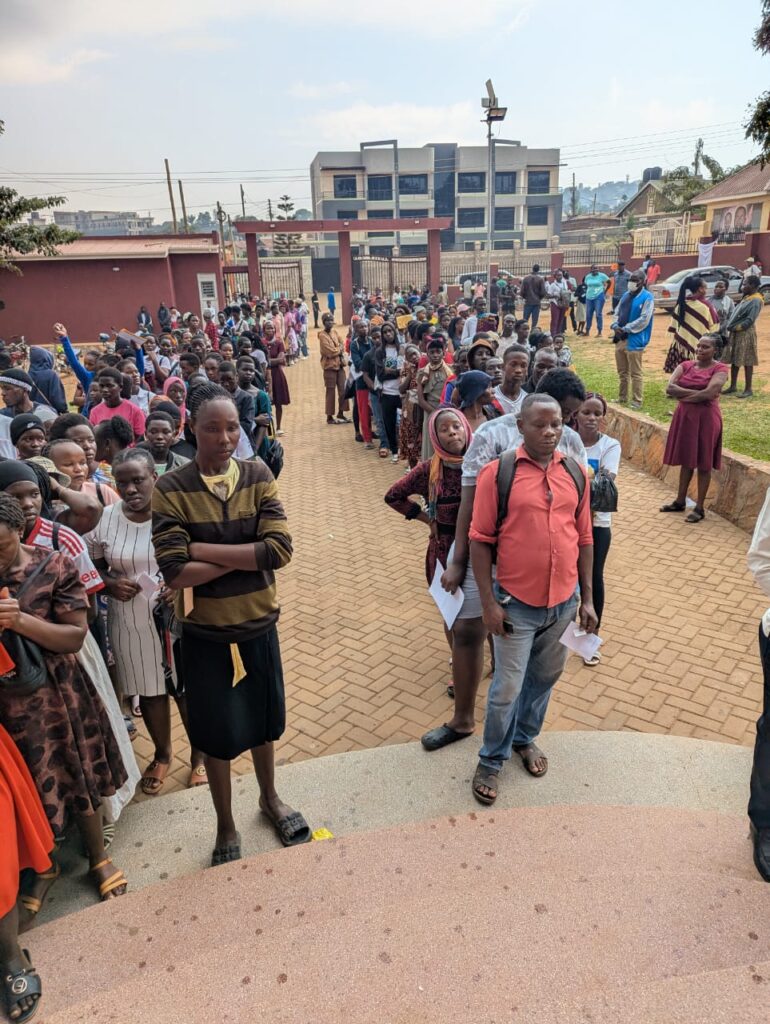 Dr. Katana said the overwhelming turnout demonstrated the increasing interest among young people in acquiring practical skills.
She, however, noted that the programme would not be able to accommodate all applicants because of limited training facilities and available spaces.
Dr. Katana commended the young people for turning up in large numbers, saying the initiative is helping transform unemployed youth into productive members of society and potential job creators.
“The programme is designed to cater for young people who may not have had a chance to access formal education or who dropped out of school,” Dr. Katana said.
She added that the programme has helped some young people move away from destructive lifestyles, including drug abuse and theft, by giving them practical skills and an opportunity to become economically productive.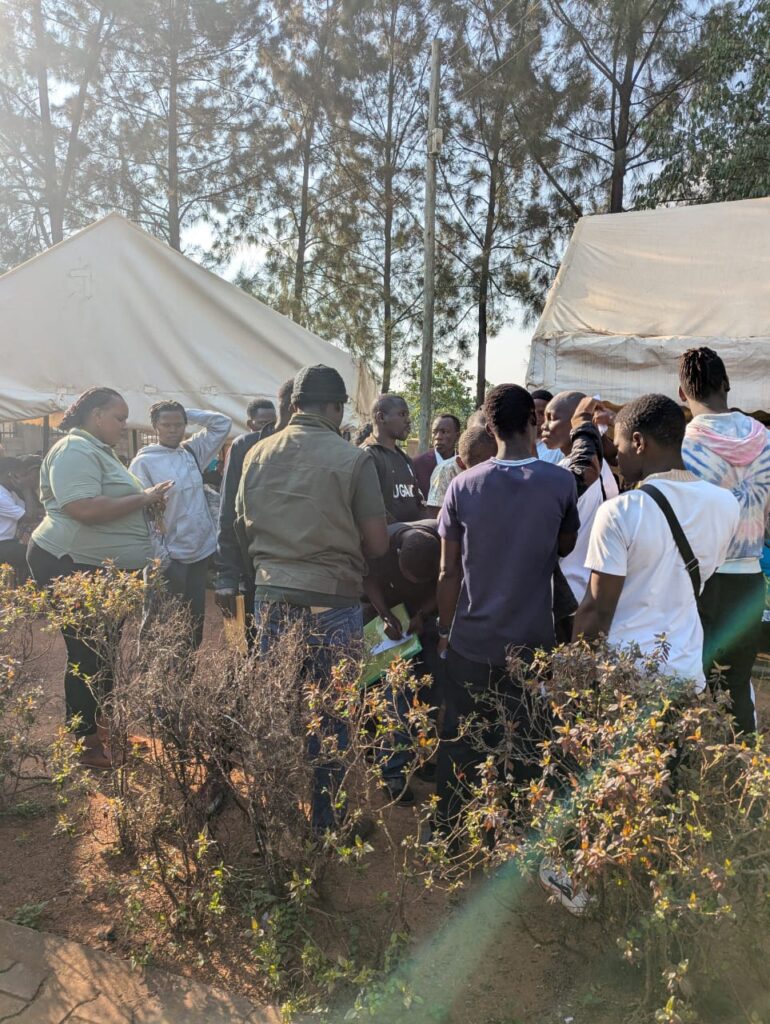 The Presidential Initiative on Skilling the Girl and Boy Child was established by State House in 2017 under the directive of President Yoweri Kaguta Museveni to equip disadvantaged young people with practical skills for self-reliance, employment and improved livelihoods.
The programme targets young people aged between 16 and 35 and provides free six-month vocational training in a range of technical and income-generating skills.
Courses offered include plumbing, hairdressing, tailoring, knitting, building, welding and metal fabrication, carpentry, bakery, mechanics, electrical installation, shoemaking, embroidery, weaving and leather design, among others.
After completing the six-month training, beneficiaries are assessed by the Uganda Vocational and Technical Assessment Board (UVTAB) before graduation.
The nine skilling centres are spread across Kampala’s five divisions of Kawempe, Rubaga, Makindye, Nakawa and Kampala Central.
They include Wandegeya Market, Mulago Community Hall, Mutundwe-All Saints Church of Uganda, Nakulabye-Our Lady of Fatima Catholic Church, Luzira Prisons, Subway Skilling Centre, Wabigalo Parish Community Hall, Kigoowa-Ntinda and Kikoni-Makerere Community Hall.
At Nakulabye, registration was conducted at Our Lady of Fatima Catholic Church, where young people arrived as early as 7am to secure places in the programme.
Ms. Kwagala Moreen, the project coordinator in Nakulabye, said the centre experienced a strong turnout from young people interested in the training.
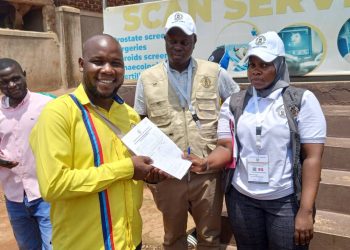
She, however, said the registration exercise faced challenges, including applicants who had not obtained the required endorsement stamps from their local council chairpersons.
According to Kwagala, the challenge was partly caused by the recent local council elections, with some newly elected chairpersons yet to receive official stamps required to authenticate applicants’ forms.
The centre also received applicants who were above the programme’s required age bracket, making them ineligible for enrolment.
Large numbers of young people also turned up at the Mulago centre, with many applicants coming from disadvantaged communities, including informal settlements.
At Kigoowa-Ntinda, 560 young people enrolled for the eighth cohort, comprising 89 boys and 471 girls.
Hairdressing was the most popular course at the centre, attracting 200 trainees, followed by bakery with 150 and tailoring with 98. Others registered for embroidery, leather design, knitting and weaving.
At another centre, carpentry attracted 47 students, while 39 enrolled for leather design.
The high number of applicants comes amid efforts by the government to promote vocational education as an alternative pathway to employment, particularly for young people who may not have completed formal education.
Dr. Katana said the government has also set aside funds to support SACCOs through which beneficiaries of the skilling programme can access start-up capital after acquiring the necessary skills.
The support is intended to help graduates move beyond training and establish small businesses capable of generating income and creating employment for others.
The strong enrolment across Kampala highlights the growing demand for practical and vocational education, with many young people seeking skills that can provide them with opportunities for self-employment, improved household incomes and greater economic independence.