


KAMPALA, Uganda — Key players in Uganda’s tourism industry have raised fresh concerns over limited consultation in the formulation of the Uganda Tourism (Amendment) Bill 2025, warning that the proposed law risks sidelining the very stakeholders it is meant to regulate and support.
The concerns emerged during a high-level stakeholders’ meeting convened by the Uganda Tourism Association (UTA), the apex body representing private tourism operators, at Fairway Hotel in Kampala. The gathering brought together representatives from across the country’s tourism value chain to scrutinize proposed legal reforms and highlight pressing sector challenges.
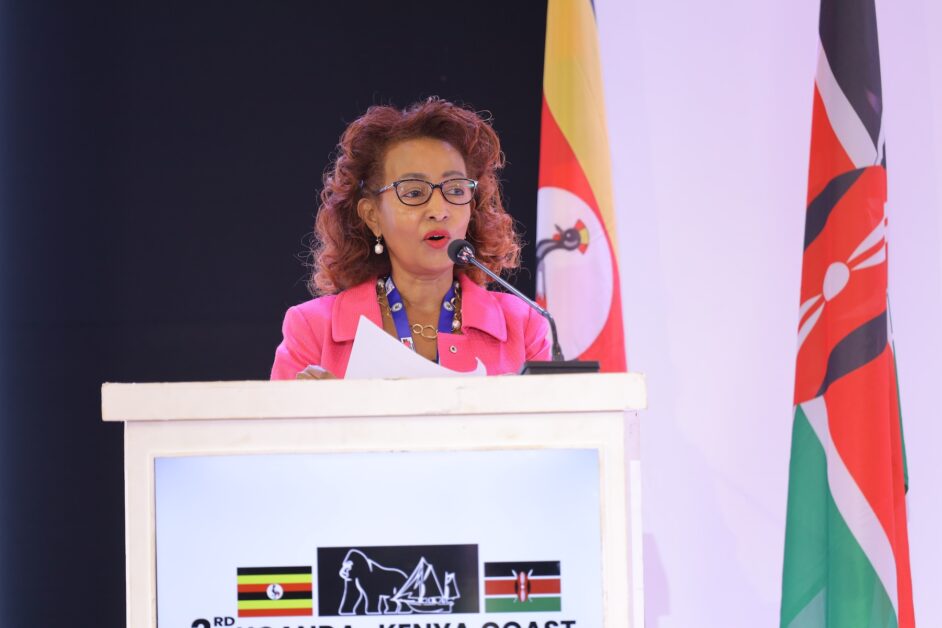
Speaking at the meeting, UTA President Ms. Yogi Biriggwa said the private sector had not been adequately consulted, despite being directly affected by the proposed changes. She noted that while amendments have been made to the bill, the voices of industry players remain largely unheard.
“We invited all tourism stakeholders because the amendment bill affects us directly. Once it is passed in its current form, we will have no say in it,” Biriggwa said. “There have been some amendments, but the private sector has not been sufficiently engaged.”
She further pointed out that the Uganda Tourism Association itself is not formally recognized in the proposed law, raising concerns about representation and coordination within the sector. “We need recognition in the Act. As the umbrella body, our absence in the amendment raises serious concerns,” she added.
The amendment bill seeks to restructure Uganda’s tourism governance framework by clearly defining institutional roles. It proposes that the Ministry of Tourism focuses on policy, regulation, supervision, and sector development, while the Uganda Tourism Board takes on marketing and promotion responsibilities. It also introduces decentralization of licensing and inspection functions to local governments, alongside the establishment of a Tourism Development Levy to finance sector growth and streamline multiple taxes and fees that operators say hinder competitiveness. The bill further introduces stricter penalties for non-compliance, including fines and imprisonment for unlicensed operations and fraudulent practices.
Despite these provisions, stakeholders at the meeting emphasized the need for wider consultation to ensure the law reflects industry realities. Biriggwa explained that UTA convened the meeting precisely to bridge this gap and gather input from private sector players across the country.
“The document needs wider consultation. That is why we took it upon ourselves to bring the private sector together to give input,” she said.
Participants acknowledged that the bill contains progressive ideas such as promoting investment, strengthening marketing strategies, and encouraging public-private partnerships. However, they warned that without meaningful inclusion of industry voices, its implementation could fall short of expectations.
Beyond the legal reforms, the meeting also spotlighted the deteriorating state of tourism infrastructure, particularly access roads to key attractions. Biriggwa revealed that UTA had commissioned a nationwide study on tourism roads, uncovering severe accessibility challenges in regions such as Eastern Uganda, Karamoja, and Western Uganda.
“Tourism is about experience. After a long international flight, tourists expect a seamless journey—not hours on rough, impassable roads,” she said.
She highlighted growing complaints from visitors, including trip cancellations during the rainy season due to poor road conditions. In some cases, tourists are forced to disembark from vehicles as others push through mud, a situation she described as damaging to Uganda’s image as a premium destination.
“That is not the image we want for our country,” she stressed.
While exact figures were not immediately disclosed, UTA estimates that the country loses billions annually due to poor infrastructure and inefficiencies within the sector. The association now plans to present its findings and recommendations to key government stakeholders, including the Ministry of Tourism, the Ministry of Works and Transport, and Parliament.
“We are going to engage the line minister, Parliament, and development partners. Tourism roads must become a national priority,” Biriggwa said, adding that UTA will also push for reforms as new parliamentary committees on tourism and finance take shape.
Tourism remains one of Uganda’s leading foreign exchange earners, with President Yoweri Museveni repeatedly emphasizing its potential to drive economic growth. However, industry players caution that without inclusive policymaking and urgent infrastructure improvements, the sector risks underperforming despite the country’s vast natural and cultural attractions.
“We have an amazing country with incredible offerings,” Biriggwa said. “But without proper roads and inclusive policies, we cannot compete globally.”