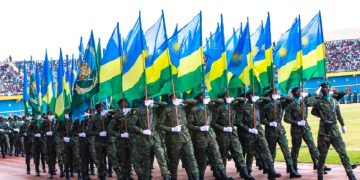





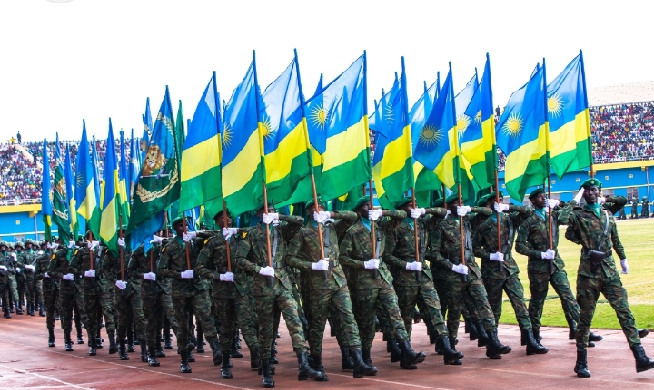
Rwanda will mark its Liberation Day on July 4, 2026, making over 30 years since the country entered a new chapter following the end of the 1994 Genocide against the Tutsi. The commemoration provides an opportunity to reflect on the remarkable transformation Rwanda has undergone from a nation devastated by conflict and division into one pursuing stability, economic growth, social development, and stronger global partnerships.
The liberation of Rwanda by the Rwanda Patriotic Army (RPA), the military wing of the Rwanda Patriotic Front (RPF), brought an end to the genocide and created the foundation for rebuilding a country whose institutions, economy, and social structures had been severely damaged.
The years that followed focused on restoring peace, rebuilding confidence among citizens, and creating systems capable of supporting national recovery.
More than three decades later, Rwanda’s story has become one of reconstruction and resilience.
The country has rebuilt state institutions, strengthened security, and introduced governance reforms aimed at improving accountability and public service delivery. These efforts have helped create an environment of political stability that has supported investment, development, and social progress.
A major part of Rwanda’s post-liberation journey has been the pursuit of national unity and reconciliation.
After the genocide left communities deeply divided, the country embarked on programmes designed to promote healing, justice, and coexistence. The Gacaca justice system played a significant role in processing genocide-related cases while encouraging communities to confront the truth about the past.
Today, remembrance activities continue to preserve the history of the genocide and promote a commitment to preventing such atrocities from happening again.
Economically, Rwanda has recorded significant progress since 1994. From an economy that had been brought to a standstill, the country has developed through investments in agriculture, infrastructure, tourism, technology, and services.
Kigali has transformed into a modern capital city, reflecting Rwanda’s ambition to position itself as a competitive and innovation-driven economy.
Major investments in roads, electricity, telecommunications, healthcare facilities, and public infrastructure have improved living conditions and supported business growth.
The government’s focus on creating a favourable investment environment has attracted both domestic and international investors, while digital transformation has positioned Rwanda among Africa’s emerging technology centres.
Tourism has become one of the country’s leading economic sectors, with Rwanda’s mountain gorillas, national parks, and conservation programmes attracting visitors from around the world.
The country has also strengthened its position as a conference and business tourism destination, hosting major international events that have boosted its global visibility.
Social development has remained a central part of Rwanda’s transformation. The expansion of healthcare services through community-based health insurance has increased access to medical care, while improvements in health systems have contributed to better outcomes for mothers and children.
Education has also expanded significantly, with increased access to basic education, higher learning opportunities, and skills development programmes aimed at preparing young people for future economic opportunities.
Rwanda’s progress in promoting gender equality has received international attention.
Women have taken a leading role in politics, public administration, and economic activities, with the country becoming one of the world’s examples of high female representation in Parliament.
Environmental protection has also become a key part of Rwanda’s development model. Policies promoting conservation, environmental cleanliness, tree planting, and climate resilience have strengthened the country’s reputation for sustainable development.
Kigali’s cleanliness and organised urban planning have become symbols of Rwanda’s broader transformation.
On the international stage, Rwanda has expanded diplomatic and economic relations with countries across Africa and beyond.
Cooperation in areas such as trade, investment, education, health, technology, and security has strengthened the country’s role in regional and global affairs.
Rwanda has also emerged as a major contributor to international peacekeeping efforts, with its personnel serving in United Nations missions around the world.
The country’s participation in peace operations reflects its commitment to supporting stability beyond its borders.
As Rwanda marks this years Liberation Day 2026, the anniversary serves as both a celebration of achievements and a reminder of the responsibility to protect the gains made since 1994.
It honours those who lost their lives during the genocide, recognises the sacrifices made during the liberation struggle, and highlights the continued efforts to build a peaceful and prosperous future.
While challenges remain, including expanding economic opportunities and ensuring inclusive growth, Rwanda’s journey over the past three decades demonstrates the impact of rebuilding institutions, promoting unity, and pursuing long-term national development goals.
For millions of Rwandans, July 4 remains more than a date on the calendar. It represents a turning point in the nation’s history and a continued commitment to peace, reconciliation, and transformation.