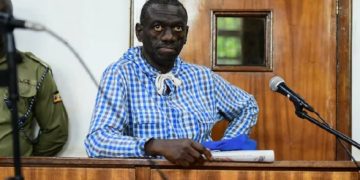



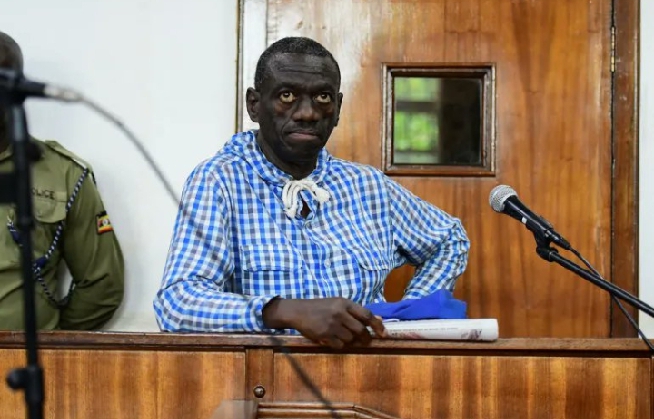
The treason trial of veteran Ugandan opposition leader Col (rtd) Dr. Warren Kizza Besigye is entering a pivotal stage as prosecutors prepare to call a series of senior military and intelligence officials, alongside a foreign arms dealer, as key witnesses in one of the country’s most consequential political and legal cases in recent years.
According to court disclosures, the prosecution intends to rely on testimony from Maj. Gen. Richard Otto, Uganda’s Chief of Defence Intelligence and Security, former military intelligence chief Maj. Gen. Abel Kandiho, former Defence Intelligence and Security chief Maj. Gen. James Birungi, and Lt. Col. Atwine, who heads special investigations. The witness list also includes Andrew Wilson, also known as Orlando, an American national and former serviceman alleged to have been involved in discussions central to the prosecution’s case, as well as businessman Moses Barasa among others.
Besigye, a four-time presidential challenger and longtime critic of President Yoweri Museveni, is standing trial alongside his aide Hajj Obeid Lutale and Uganda People’s Defence Forces officer Capt. Denis Oola.
Prosecutors accuse the trio of participating in a conspiracy to overthrow the Ugandan government through force, allegations they have consistently denied.
The charges stem from alleged meetings and activities in Uganda, Kenya, Greece and Switzerland, where investigators claim plans were discussed to recruit fighters, obtain military training and acquire weapons.
The case has drawn widespread international attention because of both the stature of the accused and the circumstances surrounding Besigye’s arrest.
The opposition leader was reportedly seized in Nairobi in November 2024 before being returned to Uganda, where he initially faced proceedings before a military court.
Following a landmark ruling by Uganda’s Supreme Court that civilians should not be tried by military tribunals, the matter was transferred to the civilian court system, where prosecutors subsequently filed fresh treason charges.
Court documents indicate that intelligence officials intend to testify about information allegedly supplied by Andrew Wilson, who prosecutors describe as a foreign intermediary approached by Ugandans in the diaspora seeking military training and weapons for an effort to remove the government by force.
The prosecution has also presented audio recordings, witness statements and other intelligence material as part of its evidence package.
The proceedings have been marked by intense legal disputes over witness protection. Prosecutors previously sought court approval to conceal the identities of several witnesses, arguing that their safety could be endangered if their names became public before they testified.
Defence lawyers opposed the move, describing it as an attempt to undermine the accused’s right to a fair trial and effective cross-examination.
With testimony expected from some of Uganda’s most senior security officials and a foreign witness alleged to have knowledge of the purported plot, the trial is likely to be closely monitored by regional observers, diplomatic missions and international human rights organizations.
The outcome could have significant implications broader debates about national security, opposition politics and the rule of law in East Africa.