




JINJA CITY, Uganda —The European Union is steadily transforming Uganda’s hospitality and tourism sector through strategic investment in skills development, digitalisation, and youth empowerment.
At the center of this transformation is the Jinja-based Hotel and Tourism Training College (HTTC), a long-established institution that is now evolving into a modern hub for hospitality excellence. Through European Union support, the college is embracing digital systems, expanding workforce readiness, and strengthening Uganda’s tourism value chain from the classroom to the broader industry.
Driving Digital Transformation and Modern Skills
The European Union’s investment is playing a pivotal role in modernising systems and improving training standards at HTTC.
Manual processes are increasingly being replaced with digital systems, allowing for more efficient admissions, stronger institutional operations, and better access to opportunities for students and staff. This digital shift is not simply about technology—it is about raising the standard of hospitality education and preparing Ugandan youth for a globally competitive tourism environment.
By supporting modern learning systems and staff capacity building, The European Union is helping Uganda develop hospitality professionals capable of delivering the high-quality service standards essential for tourism growth.
Strengthening Uganda’s Tourism Workforce
Uganda’s tourism sector depends heavily on skilled professionals across hotels, travel services, restaurants, and destination management. Through its support of HTTC, The European Union is directly contributing to the development of a stronger, more competitive workforce.
With thousands of alumni already contributing to Uganda’s hospitality industry, HTTC serves as a critical engine for service excellence. Expanded training models now provide opportunities for students, apprentices, and out-of-school youth, ensuring broader inclusion in Uganda’s tourism economy.
This investment is helping build a sustainable pipeline of skilled workers who can elevate visitor experiences and strengthen Uganda’s international reputation.
Bridging Education and Employment
One of the European Union’s most significant contributions is addressing the gap between training and employability.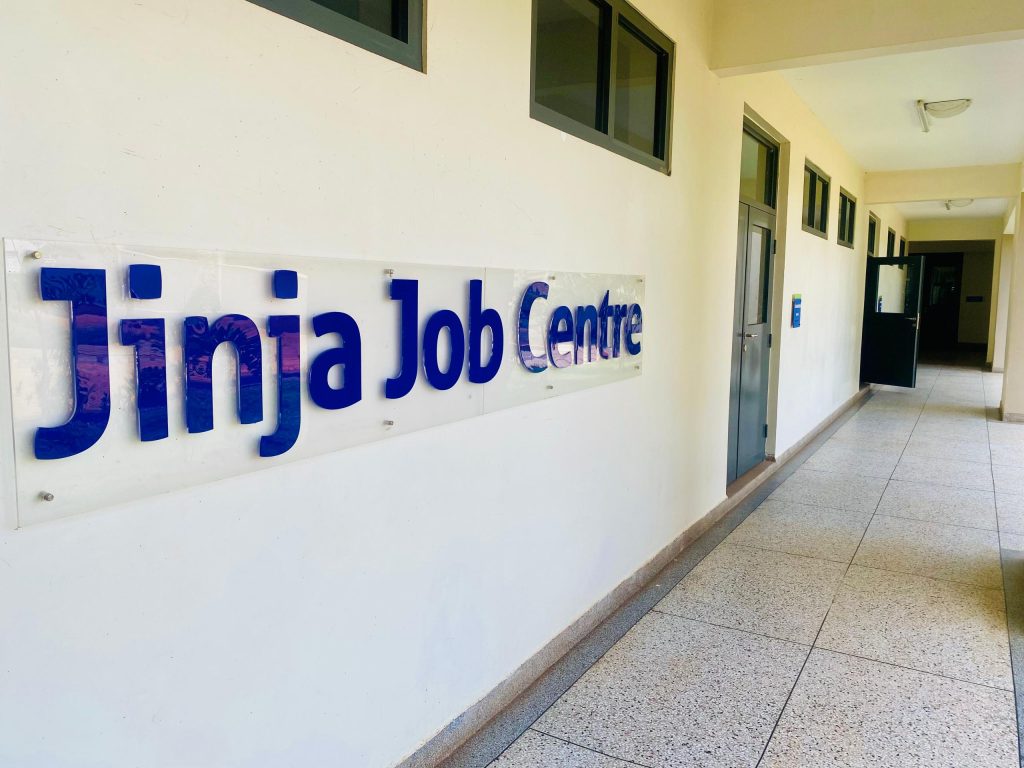
Beyond technical instruction, thousands of young Ugandans are receiving support in essential workplace skills such as communication, CV writing, interview preparation, and job readiness. These soft skills are increasingly critical in ensuring that youth are not only trained but also prepared to transition successfully into employment.
Job support centers are also expanding access to employment services by connecting youth with employers, digital tools, and career resources—creating a more seamless pathway from education to opportunity.
Practical Training for Real-World Excellence
A key pillar of this transformation is practical, industry-based learning.
The redevelopment of HTTC’s training hotel is creating an immersive environment where students gain hands-on experience in hospitality operations, from front office management to food service and housekeeping. This real-world approach ensures that graduates enter the workforce with practical confidence and industry-relevant experience.
By investing in experiential learning, The European Union is helping raise Uganda’s hospitality standards while reinforcing long-term sector competitiveness.
Positioning Uganda for Global Tourism Growth
The broader impact of this support extends beyond one institution. By strengthening digital systems, practical training, and employability, The European Union is helping Uganda position itself more competitively on the global tourism stage.
Improved service delivery enhances visitor experiences, strengthens destination branding, and contributes to tourism-led economic growth.
A Long-Term Investment in Uganda’s Future
As Uganda continues to prioritize tourism as a key driver of economic development, The European Union’s investment demonstrates how strategic support in education and workforce development can create lasting national impact.
From digital transformation to youth employment and hospitality excellence, The European Union is not merely supporting an institution—it is helping shape the future of Uganda’s tourism sector.
Through this commitment, The European Union is building more than skills; it is helping Uganda create a stronger, more inclusive, and globally competitive hospitality industry.