



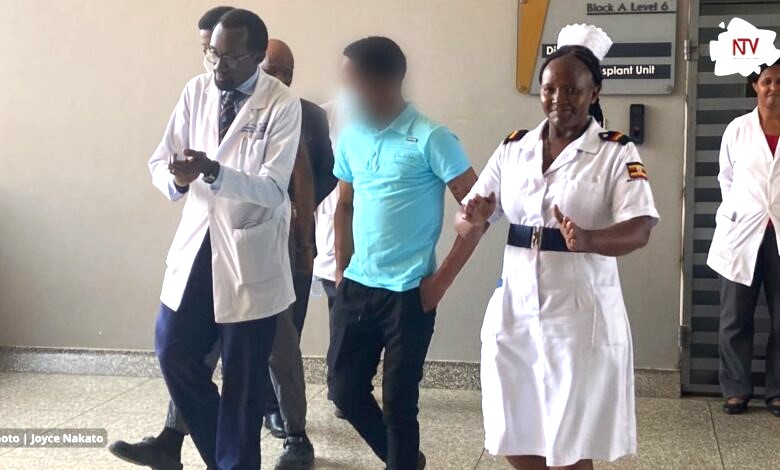
Uganda has significantly reduced its reliance on foreign healthcare systems for kidney transplants following a series of successful procedures at Mulago National Referral Hospital. In a groundbreaking development, four new kidney transplants, including one on a 16-year-old patient, were conducted last week, bringing the total number of transplants performed at the hospital to nine since the program’s launch in 2023.
According to Dr. John Sekabira, Ag. Director at Mulago Hospital, these transplants are an indication that Ugandans no longer need to incur exorbitant costs traveling abroad for the same procedures.
“A kidney transplant here costs between shs40 million and shs50 million depending on the complexity of the case and the immunosuppressive medication required,” said Sekabira.
In contrast, Ministry of Health data estimates that a kidney transplant abroad costs no less than UGX 89 million, excluding airfare, accommodation, and other associated expenses.
Milestone Procedures Saving Young Lives
One of the latest patients to benefit from the local transplant program was a 16-year-old whose kidney failure resulted from severe malaria. Initially, Mulago’s transplant program was limited to patients aged 18 to 40, but the medical team made an exception in this case. The teenager received a kidney from his 24-year-old brother.
Other recipients included: a 57-year-old man who received a kidney from his 43-year-old brother, a 23-year-old man whose 43-year-old father was the donor, and a 24-year-old woman who received a kidney from her 26-year-old brother.
Dr. Peace Bagasha, a nephrologist at Mulago, emphasized that recipients were carefully selected from a pool of more than 400 Ugandans currently dependent on dialysis—a costly and time-consuming treatment where machines perform the function of the kidneys.
“Priority was given to patients with related donors to minimize risk and maximize compatibility,” she explained.
Sustainability and financial viability
Mulago’s Resident Transplant Surgeon, Dr. Frank Asiimwe, noted that beyond medical suitability, financial readiness is now a key consideration for transplant candidates.
“Post-transplant patients must take anti-rejection medication for life. These drugs cost no less than UGX 1.5 million per month, so we have to ensure that recipients can sustain their post-operative care,” he said.
Dr. Rosemary Byanyima, Executive Director of Mulago Hospital, announced that the facility aims to perform 12 more kidney transplants during the 2025/2026 financial year, all at no cost to patients.
She added that the ultimate goal is to make kidney transplantation a routine, accessible service by 2027.
The impact of this expansion is significant. According to Dr. Ronny Bahatungire, Director of Clinical Services at the Ministry of Health, kidney-related illnesses account for 40% of all medical referrals abroad.
He noted that each transplant abroad costs at least USD $25,000, excluding travel and accommodation expenses.
He stressed that by offering these services locally, they’re saving families from financial ruin and strengthening our health system’s self-reliance.
However, stakeholders have raised concerns about the absence of a national regulatory body for organ transplants.
The Uganda Organ Donation and Transplant Council, mandated to oversee ethical and medical standards in such procedures, is not yet operational.
Bahatungire acknowledged the delay but assured the public that the council will be established within the current financial year, enhancing transparency and preventing potential abuse.
With the expansion of transplant services and plans to establish a regulatory framework, Uganda is taking bold steps toward becoming self-sufficient in complex medical procedures, offering renewed hope to patients who once faced long waits, high costs, and uncertain outcomes abroad.