


Kampala, Uganda — As the world prepares to mark the 45th anniversary of World Food Day on October 16, Uganda has officially launched its national commemoration under the rallying theme, “Hand in Hand for Better Foods and a Better Future.”
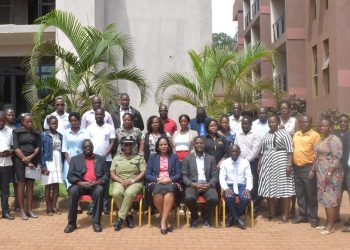
The announcement, made at the Uganda Media Centre in Nakasero, Kampala today (September 01, 2025), positions Uganda at the heart of a global movement calling for solidarity in transforming food systems and tackling hunger, malnutrition, and climate-linked agricultural challenges.
This year’s commemoration carries extra significance, coinciding with the 80th anniversary of the founding of the UN’s Food and Agriculture Organization (FAO). Uganda, a longstanding partner of FAO, seized the moment not just to celebrate the milestone, but to reaffirm its commitment to shared agricultural transformation.
At the center of Uganda’s celebrations is the Rwebitaba Zonal Agricultural Research and Development Institute (ZARDI), located just outside Fort Portal City in Kabarole district. On October 16, this flagship agricultural innovation hub will host the national event, showcasing cutting-edge research in tea, coffee, bananas, and pasture improvement.
The selection of Rwebitaba is no coincidence; it’s a deliberate signal that science, innovation, and community-led action remain central to Uganda’s food future.
The “Hand in Hand” theme speaks directly to Uganda’s deep-rooted values of cooperation and collective responsibility, encapsulated in the traditional philosophy of Bulungi Bwansi, or working together for the common good. Government officials emphasized that this year’s observance is more than a ceremonial event.
It’s a nationwide call to action, urging collaboration across ministries, civil society, academia, private sector players, and local communities to strengthen the entire agrifood chain.
Addressing the press, officials from the Ministry of Agriculture, Animal Industry and Fisheries (MAAIF) led by the Minister Frank Tuwmwebaze stressed the importance of thinking beyond food production numbers.
“It is no longer enough to talk about how much food we grow,” he noted. “We must also focus on what we grow, how we manage it, and who has access to it.”
Uganda’s agricultural backbone, employing more than 70% of the population, is under pressure from post-harvest losses, climate variability, and malnutrition.
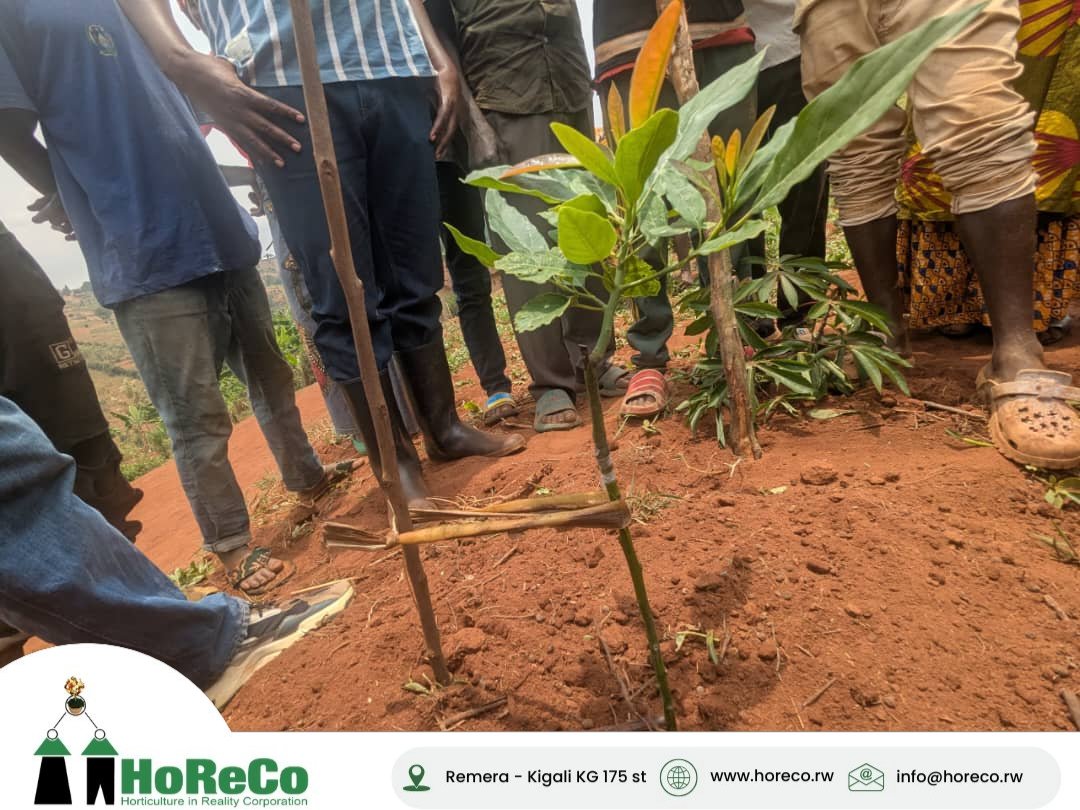
Statistics indicated that one in four Ugandan children under five is stunted, reflecting persistent gaps in nutrition. The upcoming World Food Day serves as a platform to address these issues head-on, through public dialogues, school garden launches, market cleanups, and community tree planting campaigns.
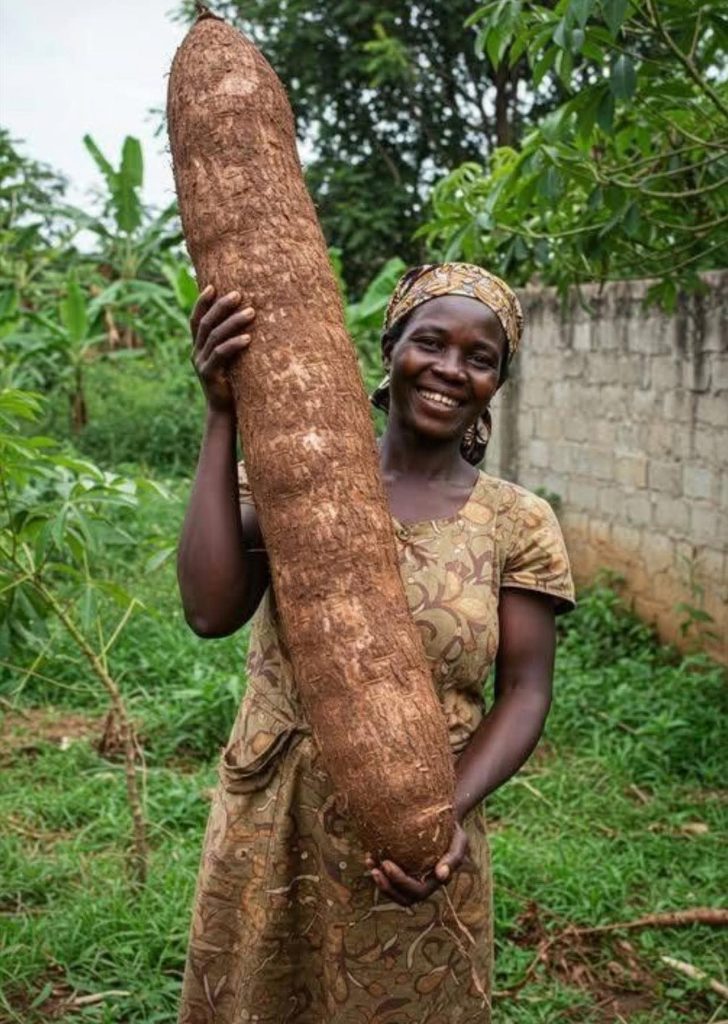
Importantly, the government plans to use this year’s celebrations to unveil new crop varieties of Irish potatoes, millet, and bananas developed for improved resilience, nutrition, and market appeal, a sign of growing synergy between research institutions and local farming communities.
Beyond the October 16 event, officials underscored the need for year-round engagement.
Last year’s participation in Global Food Week exposed the urgency of addressing food waste and post-harvest losses, not just the volume of production. This year, the aim is to amplify “voices of change” through ongoing community dialogues and progress tracking, ensuring that action continues long after the celebrations are over.
Tumwebaze noted that climate-smart agriculture, water harvesting, drought-resistant crops, and better land use management remain top priorities, not just for improving yields, but for protecting Uganda’s environment and food security in the face of a changing climate.
The goals align closely with the country’s broader development agenda under the National Development Plan IV, particularly the Parish Development Model and Agro-Industrialization strategy aimed at lifting communities from subsistence to commercial agriculture.
“Food security is peace security,” the ministry emphasized, linking inclusive agricultural development to national stability, especially for youth and women. “If people have food, if they can earn from it, we’re not only nourishing bodies, we’re building a peaceful and empowered society.”
In concluding the address, the Ministry expressed appreciation to key partners, including FAO, NARO, and other development organizations. The media, too, was hailed as a crucial ally in driving awareness and behavioral change across Uganda’s food landscape.
“As we commemorate World Food Day,” he noted “let this not just be a celebration. Let it be a springboard for lasting action, the kind that transforms lives, secures our food systems, and guarantees a better future for all Ugandans.”