


KAMPALA, Uganda (UGNEWSLINE) – Uganda is preparing for one of its largest primary school examinations, with more than 920,000 pupils expected to compete for places in secondary schools as the national examinations body moves to enforce tighter guidelines aimed at protecting the credibility of this year’s Primary Leaving Examinations (PLE).
The Uganda National Examinations Board (UNEB) registered 920,833 candidates for the 2026 examinations, an increase of 102,835 pupils compared with the 817,998 who sat the tests last year, reflecting a 12.5 per cent rise in candidature.
The examinations, scheduled for November 3 and 4, will bring together 484,620 girls, representing 52.7 per cent of the candidates, and 436,213 boys, accounting for 47.3 per cent.
Government-sponsored learners under the Universal Primary Education (UPE) programme constitute the majority, with 575,342 candidates, or 62.5 per cent, while 344,491 pupils are privately sponsored.
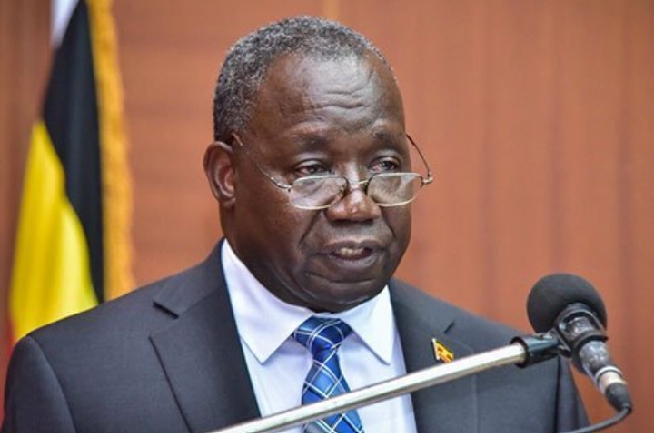
UNEB Executive Director Dan Odongo said the rising number of candidates reflected improvements in school completion and the increasing number of learners progressing through the education system.
Speaking earlier during the release of the 2026 national examination timetable, Odongo attributed the growth in candidature to more pupils remaining in school and successfully completing their respective education cycles.
He also cautioned candidates against indiscipline, emphasising that registration for national examinations does not exempt learners from complying with school regulations.
“Being a candidate does not put you over and above the school rules and regulations,” Odongo warned, adding that UNEB would not support candidates suspended or dismissed for misconduct.
As preparations enter their final stage, the examinations body has directed headteachers to personally conduct candidate briefings. Parents were also encouraged to attend the sessions to understand the examination requirements and help their children prepare.
Odongo emphasised the importance of candidates familiarising themselves with the official timetable and examination instructions before entering the examination rooms.
Schools are expected to distribute copies of the timetable and display them on noticeboards to avoid confusion over examination dates and sessions.
Under the examination guidelines, candidates must report to their centres at least 30 minutes before each paper begins.
They are prohibited from entering examination rooms with mobile phones, calculators, books, notes or other unauthorised materials.
Candidates must also verify their personal details and examination identification numbers, follow instructions from invigilators and remain in the examination room until their scripts have been collected.
UNEB has warned that late arrival could lead to candidates being denied access. Those arriving more than 15 minutes after the start of an examination will not be admitted, while candidates permitted to enter late will not receive additional time.
The board has further directed candidates not to leave examination rooms with question papers or answer scripts, whether used or unused. Examination envelopes must be checked for signs of interference before they are opened, with candidates expected to witness the opening process.
Learners with special educational needs will receive additional time and other approved accommodations to enable them to participate fairly in the assessment.
Schools have also been instructed to stop teaching after the briefing to give candidates adequate time to prepare mentally and physically for the examinations.
The final preparations follow UNEB’s earlier concerns about more than 60 schools that had not presented candidates for this year’s examinations. However, board spokesperson Jennifer Kalule Musamba confirmed that the registration challenge has been resolved, with affected schools either registering candidates at alternative centres or completing the process late.
Musamba said the board was ready to administer the examinations and urged teachers to reassure pupils that PLE was a transition assessment rather than a final determination of their future.
The 2026 candidates began their primary education in 2019, meaning the examinations will mark the completion of seven years of primary schooling.
UNEB has repeatedly warned against examination malpractice, including smuggling unauthorised materials into examination rooms and attempts to obtain unfair advantages through examination officials.
The board says maintaining the integrity of the assessment is essential to ensuring that the results accurately reflect candidates’ abilities and provide a reliable basis for their transition to secondary education.