



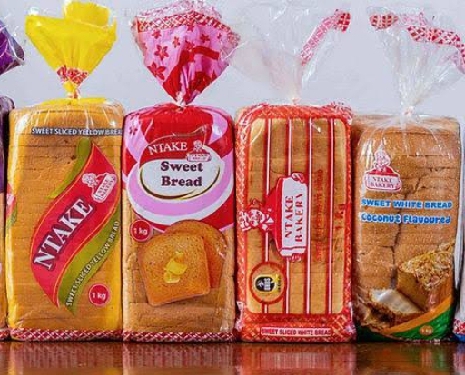
KAMPALA, Uganda (UGNEWSLINE) – Ugandan consumers are facing higher bread prices as rising wheat costs, expensive ingredients and disruptions to international shipping expose the country’s baking industry to mounting pressure from global supply chains.
The Uganda Bakers’ Association (UBA) has announced an increase in wholesale bread prices from November 2, warning that manufacturers can no longer absorb the growing cost of production without passing part of the burden on to consumers.
The price of a 1kg loaf is expected to rise from Shs5,000 to Shs5,500, while the 500g loaf will increase from Shs2,500 to Shs3,000. Retail prices for a kilogramme of bread could consequently reach between Shs6,000 and Shs7,000, depending on the seller and location.
The increase highlights the exposure of Uganda’s food industry to international commodity markets, where movements in wheat prices, shipping costs and currency values can quickly translate into higher prices for basic household goods.
Dr Canon Gaster Lule, the association’s interim chairperson, said bakeries had struggled to maintain existing prices amid sustained increases in the cost of raw materials and other production expenses.
He urged retailers to keep mark-ups reasonable, warning that excessive price increases would further undermine consumers’ ability to afford an increasingly important household staple.
The cost of wheat flour, a major ingredient in bread production, has risen significantly. A carton that previously cost about Shs80,000 now sells for approximately Shs97,000, adding to pressure from more expensive baking fat and yeast.
The industry says the situation has been compounded by international shipping disruptions, with geopolitical tensions in the Middle East contributing to uncertainty over maritime transport and delivery costs.
Uganda’s reliance on imported wheat leaves local manufacturers particularly vulnerable to such developments.
Unlike countries with large domestic wheat industries, Ugandan processors have limited protection against external supply shocks, making international price movements an important factor in determining the cost of locally produced bread.