



Uganda’s military has paid tribute to Gen (Rtd) Moses Ali, describing the veteran officer and politician as a key figure in the country’s security history and a central player in efforts that ended years of conflict in the West Nile region.
The Uganda Peoples’ Defence Forces (UPDF) joined Parliament in honouring Gen Ali during a special sitting, where lawmakers and senior military officers remembered him as a dedicated soldier, public servant and advocate of peace.
Gen Ali died on July 18, 2026 at Nakasero Hospital at the age of 87, bringing to an end a career that spanned more than five decades and included service in the military, government and Parliament.
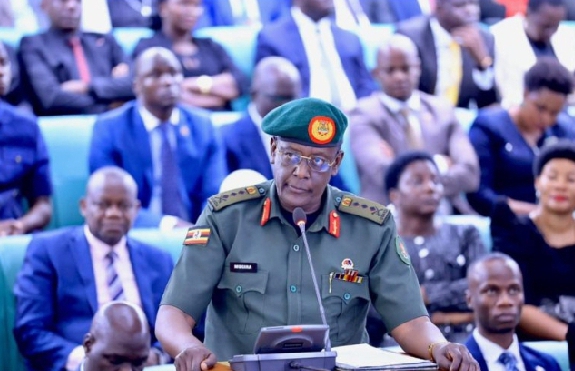
Presenting the UPDF tribute, Lt Gen James Mugira, the army’s representative in Parliament, said Gen Ali’s death was a loss to the military fraternity and the country.
“He was one of our own,” Mugira said, offering condolences to Gen Ali’s family, the people of Adjumani and communities across the West Nile sub-region.
Gen Ali joined the Uganda Army as a cadet officer in 1968 and rose through the ranks to become a four-star general before retiring from active military service.
His career unfolded through some of Uganda’s most turbulent periods, including years of political upheaval and armed conflicts.
The UPDF highlighted his role in helping restore stability to West Nile, where he had once led the Uganda National Rescue Front (UNRF), an armed group that opposed the government in the 1980s.
After the National Resistance Army came to power in 1986, Gen Ali signed a peace agreement with the government, leading to the integration of UNRF fighters into the national army.
The move was credited by Ugandan officials with helping end years of insurgency in the region.
“His name is synonymous with the return of peace and security in West Nile,” Mugira said, praising his contribution to reconciliation and stability.
Gen Ali later became a senior figure within government, serving in cabinet and representing his constituency in Parliament for many years.
His political career made him one of the longest-serving public figures in Uganda.
Prime Minister Robinah Nabbanja described him as a leader whose service extended across the military, civil administration and politics, saying he contributed to national unity and development.
“He was a courageous soldier and an astute leader,” she said.
Colleagues also recalled Gen Ali’s continued attachment to the military after retirement, saying he maintained close ties with the UPDF and remained proud of his military identity.
Mugira said Gen Ali continued to show his affection for the institution, including requesting new military uniforms whenever the force introduced changes.
Known by supporters in West Nile as the “Lion of West Nile”, Gen Ali remained an influential figure in the region, where he was credited with supporting education, community development and political representation.
His life also reflected Uganda’s complex political history.
He moved from military service to armed opposition, then reconciliation and government leadership, becoming part of efforts to integrate former combatants into state institutions.
Beyond politics and security, Gen Ali contributed to historical documentation through his book, The Odyssey of the Nubi: From Soldiers of the British Empire to Full Citizens in Uganda, which examined the history of Nubi soldiers and their role in Uganda’s development.
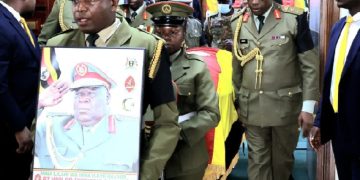
The UPDF accorded Gen Ali full military honours, with Parliament observing a moment of silence in recognition of his decades of service.
For Uganda’s armed forces, his death marked the passing of a veteran commander whose career reflected the country’s difficult path from conflict toward stability.
The tribute to Gen Ali was also a reminder of the role played by former combatants in shaping Uganda’s political and security landscape, where reconciliation has often been central to efforts to end armed conflicts.