



KAMPALA — In a democratic display as earnest as it is theatrical, Uganda today closes nominations for its Special Interest Group (SIG) elections — a series of polls aimed at giving marginalized communities a symbolic voice in village councils. But with limited timeframes and long-standing structural hurdles, many observers are wondering whether these elections offer real inclusion or just a well-rehearsed performance.
The elections are reserved for youth, older persons, and persons with disabilities, and are administered by the Electoral Commission (EC), which has been accepting nominations since June 2. That window slams shut today at 5:00 p.m., though critics argue that the political odds have long been stacked against genuine participation.
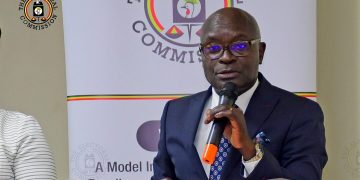
EC spokesperson Julius Mucunguzi addressed the media earlier this morning in his usual blend of official decorum and thinly veiled optimism. “Today is the last day to nominate yourself to contest, participate, and pretend your voice will echo past the village borehole,” he declared from a sun-drenched podium in Kampala, the PA system crackling with enthusiasm and loose wiring.
Nominations were officially open at sub-county headquarters, division wards, and town councils from 9:00 a.m., though multiple districts reported delayed starts due to “technical difficulties” — including uncharged laptops, misplaced voter rolls, and at least one missing stapler that brought business in Wakiso to a standstill for two hours.
The criteria for eligibility, while outlined by law, have not escaped satire. Youth candidates must be between 18 and 30, unless they hold ties to political elites, in which case “youthfulness” appears to stretch into the late forties. Older persons must be 60 or above with government-issued identification — preferably from a time when the national ID system still used typewriters. Persons with disabilities must meet “legally defined conditions,” though the relevant guidelines have reportedly been unavailable for public inspection since 2018, last seen doubling as furniture support in an EC office.
Despite these quirks, the EC insists that the process remains vital. “Your vote is your voice,” Mucunguzi said with an unwavering smile, even as critics pointed out that participation in such elections often ends at the ballot box, with little transparency in how votes are counted — or if they are meaningfully considered at all.
The nomination deadline also signals the beginning of Uganda’s 2025–2026 electoral cycle — a marathon of staggered elections that will stretch into next year. Campaigning for SIG candidates officially begins on June 12, leaving hopefuls with just three days to sway voters in communities where skepticism about political change runs deeper than the potholes on the main road.
According to the EC’s schedule, voting for older persons will be held on June 16 (before what one EC staffer jokingly referred to as their “early bedtime”), followed by persons with disabilities on June 17 — though accessible polling stations are reportedly still “under review.” The youth vote will cap things off on June 19, assuming eligible voters haven’t already left the country in search of better opportunities.
For many candidates, the opportunity to run is still significant — a chance to be seen, to be heard, and to represent their communities, even if symbolically. But for others, the elections are another reminder of how slowly the wheels of inclusion turn in Uganda’s political machinery.
“They give us three days to campaign,” said one youth nominee in Jinja, “but we’ve spent a lifetime waiting to be listened to.”
As the nomination window closes today, all eyes turn to the campaign trail — short though it may be — and to the hopefuls vying not just for votes, but for visibility in a system that often forgets them between election cycles.