


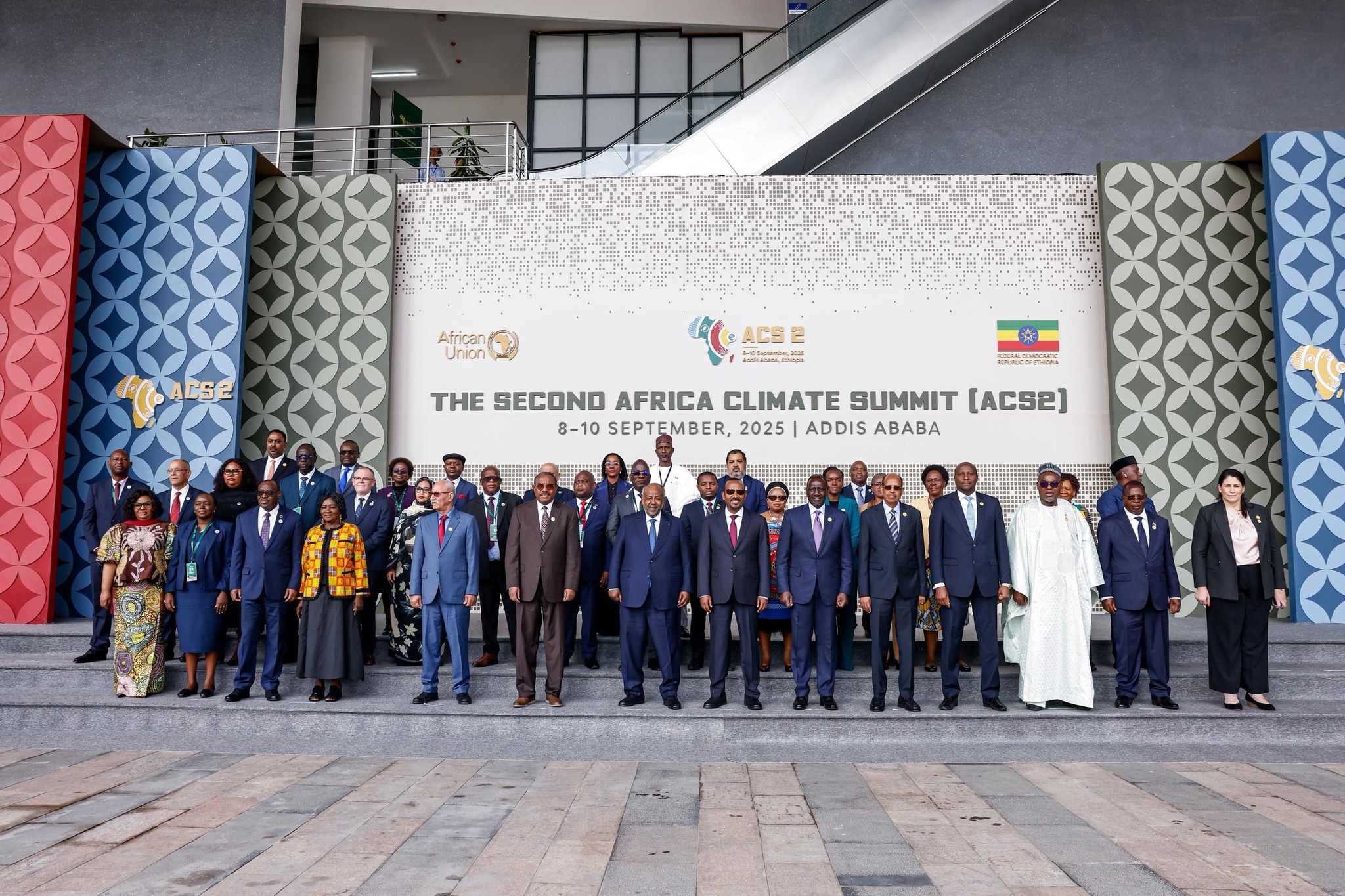
Addis Ababa, Ethiopia – The second Africa Climate Summit concluded with African leaders adopting a bold new declaration to tackle the growing threats of climate change.
The declaration outlines a unified strategy to raise $50 billion annually for climate solutions, expand the use of renewable energy across the continent, and present a united African voice at the upcoming COP30 global climate summit in Brazil.
The summit, held in Ethiopia’s capital, brought together heads of state, environmental experts, and civil society groups to focus on Africa’s leadership in addressing the climate and water crises.
The event marks a significant milestone on the path to COP30 and highlights Africa’s dual role as both a region heavily impacted by climate change and a key driver of innovative climate solutions.
A Continent on the Frontlines
Over the past 50 years, weather-related disasters such as floods and droughts have increased by 400%, placing enormous pressure on water access and sanitation infrastructure. Many African countries suffer the most from climate impacts despite contributing the least to global emissions.
WaterAid South Africa’s Pan Africa Programme Advocacy Manager, Moreblessings Chidaushe, praised the summit’s outcomes, calling the declaration a clear sign of Africa’s commitment to act:
“This declaration shows that African governments are serious about taking climate action. They are working together to find real solutions to the water and climate crisis, which is important for saving lives and protecting communities. Africa is not only suffering from climate change—it’s also creating smart and new ways to fight it.”
Call for Global Accountability
As African nations prepare for COP30, Chidaushe stressed the importance of global cooperation and support from high-income countries:
“We are going to COP30 with one strong message: wealthy countries must do their part. Many of them are not keeping their promises to support poorer countries with climate funding.”
“Clean water is at the heart of climate action,” Chidaushe added. “World leaders must listen to the voices from this summit and act fast at COP30. No one can survive without clean water.”
Public Concern and Support for Action
To coincide with the summit, WaterAid released new research from Ghana, Kenya, Nigeria, and South Africa. The findings show that:
- 90% of people are worried climate change will negatively affect their children’s future.
- 99% believe that having access to clean water close to home is essential to coping with the effects of climate change.
These numbers underscore the urgency of climate action and the need for investment in water infrastructure as a key part of climate resilience.