


As we prepare to mark World Environment Day, the global theme for 2025 “Ending Plastic Pollution” calls for urgent and coordinated action toward managing plastic waste worldwide.
In Uganda, this theme has been localized as “United Against Plastic Pollution.” The focus is on inspiring individuals, institutions, organizations, and communities to adopt sustainable practices in the fight against plastic pollution.
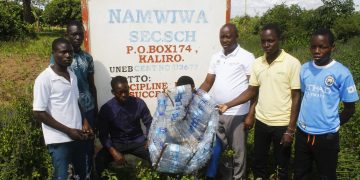
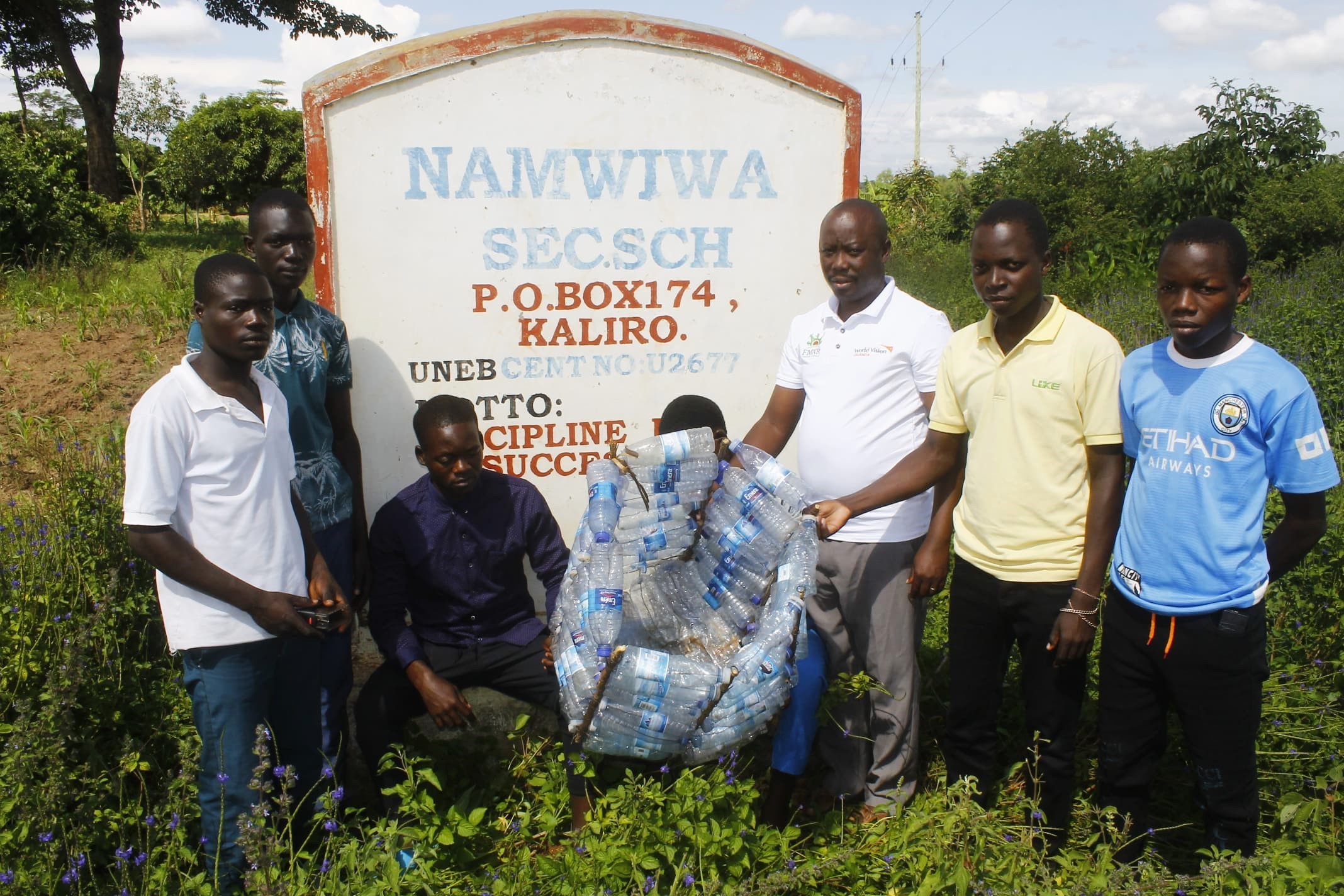
At Namwiwa Secondary School, located in Kaliro District and supported by the Kaliro Environment Conservation Project and Mikwano E.V. Uganda, students have taken innovative steps in this campaign.
One remarkable initiative involves creating rubbish bins and pits from used plastic bottles, demonstrating the philosophy of “don’t waste the waste.”
These young innovators are turning the challenge of plastic waste into an opportunity. With plastic litter widely mismanaged in the community, these students are accessing free raw materials for their projects. This allows them to keep input costs low while promoting environmental sustainability.
Plastic waste, when properly managed, presents untapped employment opportunities for youth across Uganda. Unfortunately, these opportunities remain largely unexplored, apart from a few recycling plants. Yet some of these large-scale operations can also negatively impact the environment.
The Kaliro Environment Conservation Project, a community-based organization, has gone a step further by empowering young people to explore eco-friendly employment options in the environment and natural resource sectors. For example, the project promotes seed harvesting from indigenous trees, a sustainable practice with economic potential.
Another growing opportunity is tree nursery development. Many nursery operators now purchase disposed plastic materials to use as potting bags for seedling propagation. This not only creates a market for plastic waste but also turns what was once considered useless into a valuable resource.
In my opinion, there is a strong need for both government agencies and non-governmental organizations to design awareness and sensitization programs aimed at educating youth. These programs should highlight how plastic waste can be transformed into economic opportunities, such as making table mats or alternative fuels, without causing environmental harm.
The emphasis should be on sustainability, acknowledging that while we may not fully eliminate plastic use, we can manage its impact more responsibly.
To effectively engage youth in the campaign against plastic pollution, they must first be informed about the opportunities that exist through proper waste management.
Once they understand the potential economic and environmental benefits, they are more likely to get involved and become champions of this vital cause.
The writer is Mugooda Rogers a Master’s Degree Research Participant at Uganda Management Institute and the Eastern Uganda Regional Node Chairperson for the Environment and Natural Resources CSOs Network.