


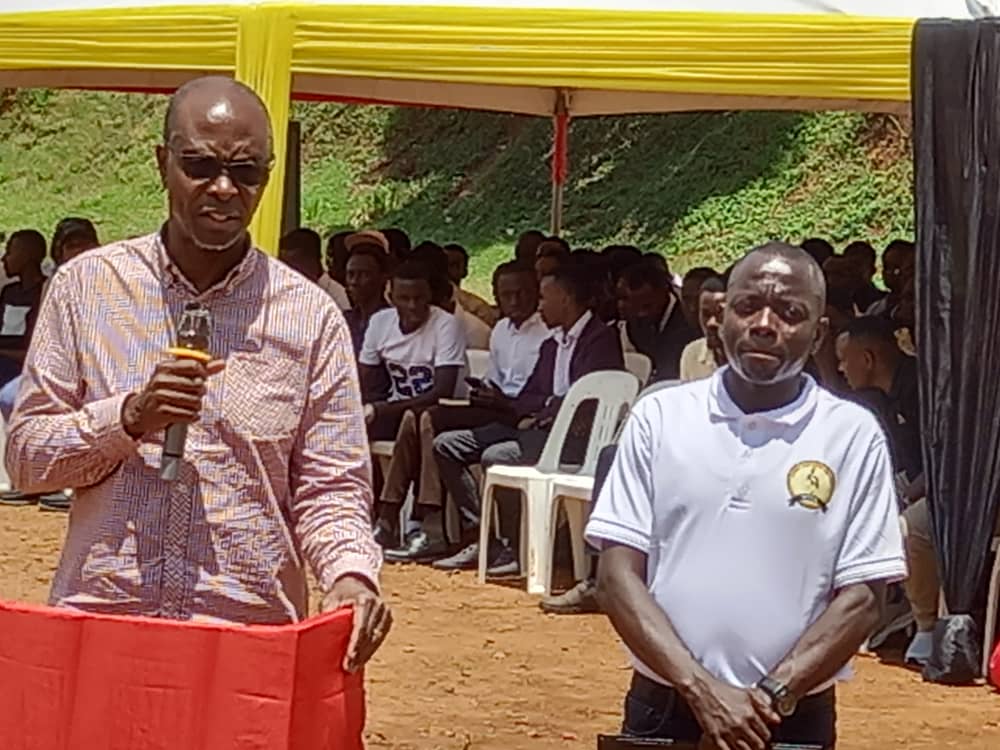
The Senior Presidential Advisor on Mobilisation in the Office of the President, Moses Byaruhanga, has urged young people to actively participate in anti-corruption sensitisation campaigns and government programmes aimed at promoting economic development and fighting poverty in their communities.
Byaruhanga made the remarks on 18 September 2026 while launching the 2026/27 strategic plan of the National Youth Cadres Association (NYCA) at Nakasero Primary School sports grounds in Kampala.
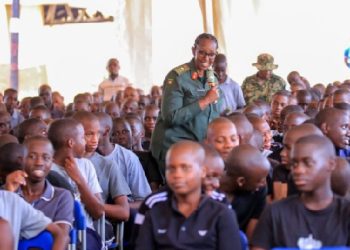
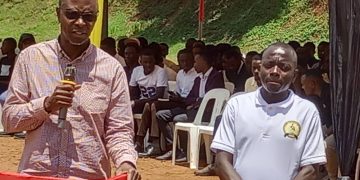
The launch brought together more than 600 participants, including youth leaders from universities, tertiary institutions and district-based youth coalition groups from across the country.
The strategic plan, under the theme “The Role of Youth in Advancing Tenfold Growth Strategy, Climate Change Mitigation and Environmental Conservation,” outlines the association’s priorities for the coming year.
These include fighting corruption, environmental conservation, HIV/AIDS awareness, economic empowerment and community mobilisation, among other programmes.

Byaruhanga, who donated Shs6 million towards transportation costs for more than 523 delegates attending the event, urged youth leaders to support government efforts to mobilise young people into Savings and Credit Cooperative Organisations (SACCOs) and other income-generating initiatives.
He encouraged young people to establish small businesses rather than relying solely on government employment, arguing that self-employment can provide sustainable livelihoods when businesses operate within the required regulations.
The government has encouraged young people to participate in poverty-reduction programmes such as Emyooga and the Parish Development Model (PDM) by forming or joining sector-specific SACCOs to access available financing.
Byaruhanga, however, expressed concern over what he described as low youth uptake of funds under the programmes.
He said youth participation in the funds was estimated at between 18% and 20%, compared with the 30% allocation designated for young people.
He said this meant that out of the Shs1 trillion injected into the 18 sectors under the PDM programme, young people could be missing out on about Shs100 billion annually.
He also questioned the effectiveness of parish youth council chairpersons, who sit on parish PDM committees and are expected to mobilise young people in their constituencies to participate in the programme.
Byaruhanga said young people should take advantage of their designated 30% share under the programme instead of leaving resources unutilised.
He noted that other designated categories include women at 30%, older persons at 10%, persons with disabilities at 10%, while 20% is allocated to other groups.
He added that government had separately set aside Shs45 billion annually to support people and entities outside the categories covered by Emyooga and PDM, urging youth groups to seek additional financing to expand their SACCO activities.
The Head of the State House Anti-Corruption Unit, Brig Gen Henry Isoke, was represented at the event by the unit manager, Bamwine Muhorozi.
Bamwine urged youth leaders to work with government and other stakeholders to sensitise communities about the effects of corruption.
He said corruption deprives citizens of quality public services, including education, healthcare, clean water and sanitation, environmental protection and economic empowerment programmes.
He called on youth leaders to work with relevant stakeholders to promote accountability and ensure citizens receive quality public services.
The Executive Director of the Public Procurement and Disposal of Public Assets Authority (PPDA), Canon Benson Turamye, was represented by the Manager for Local Content, Ronald Tumuhairwe.
Tumuhairwe said about 65% of the government budget is allocated annually to the procurement of goods and services that support economic development.
He said PPDA issued Reservation Schemes Guidelines in 2024 to promote the participation of youth and other marginalised Ugandans in public procurement.
Under the guidelines, government entities are required to reserve at least 15% of their annual procurement budgets for enterprises owned by youth and other marginalised groups.
He said procurements valued at Shs30 million or less in central government entities are reserved for enterprises owned by youth and other marginalised Ugandans, while procurements valued at Shs10 million or less in local government entities are also reserved for the same groups.
Tumuhairwe said youth entrepreneurs participating under the reservation schemes are not required to pay bid securities or bidding fees when obtaining bidding documents and participating in procurement processes.
He said the measures were introduced to remove some of the barriers limiting youth participation in public procurement.
Other measures include simplifying bidding documents and establishing an advisory unit at PPDA to provide free guidance to young entrepreneurs on how to participate in tenders and prepare responsive bids.
Tumuhairwe encouraged NYCA members to partner with PPDA in conducting community sensitisation campaigns on the opportunities available to youth in government procurement.
He pledged PPDA’s commitment to strengthening collaboration with the association through joint community engagements aimed at building the capacity of local leaders to understand and appreciate public procurement as a potential avenue for economic empowerment.
Youth association pledges collaboration
NYCA chairperson Benkson Ahumuza said the association would work with government agencies to promote awareness of programmes and activities that can improve the livelihoods of young people.
Ahumuza commended Byaruhanga for educating members about the resources available through various government agencies.
He said youth groups face challenges accessing funds from the Microfinance Support Centre (MSC), citing what he described as bureaucratic documentation requirements that discourage some applicants.
The association’s SACCO chairperson, Emmanuel Nahamye, thanked Byaruhanga for visiting and supporting the youth organisation.
He said the SACCO faces several challenges, including inadequate office space and limited savings, while plans to venture into commercial agriculture have been constrained by a lack of resources to acquire land.
Nahamye said the association plans to establish a demonstration farm where members can undertake agricultural production while also providing practical training to surrounding communities on modern farming methods.