


AGRICULTURE : A consortium of international agricultural experts has partnered with Uganda’s private sector to roll out an ambitious solar-powered irrigation initiative aimed at safeguarding at least 80,000 smallholder farmers from the growing impacts of climate change.
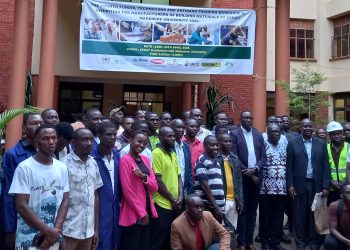
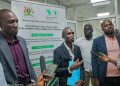
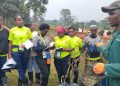
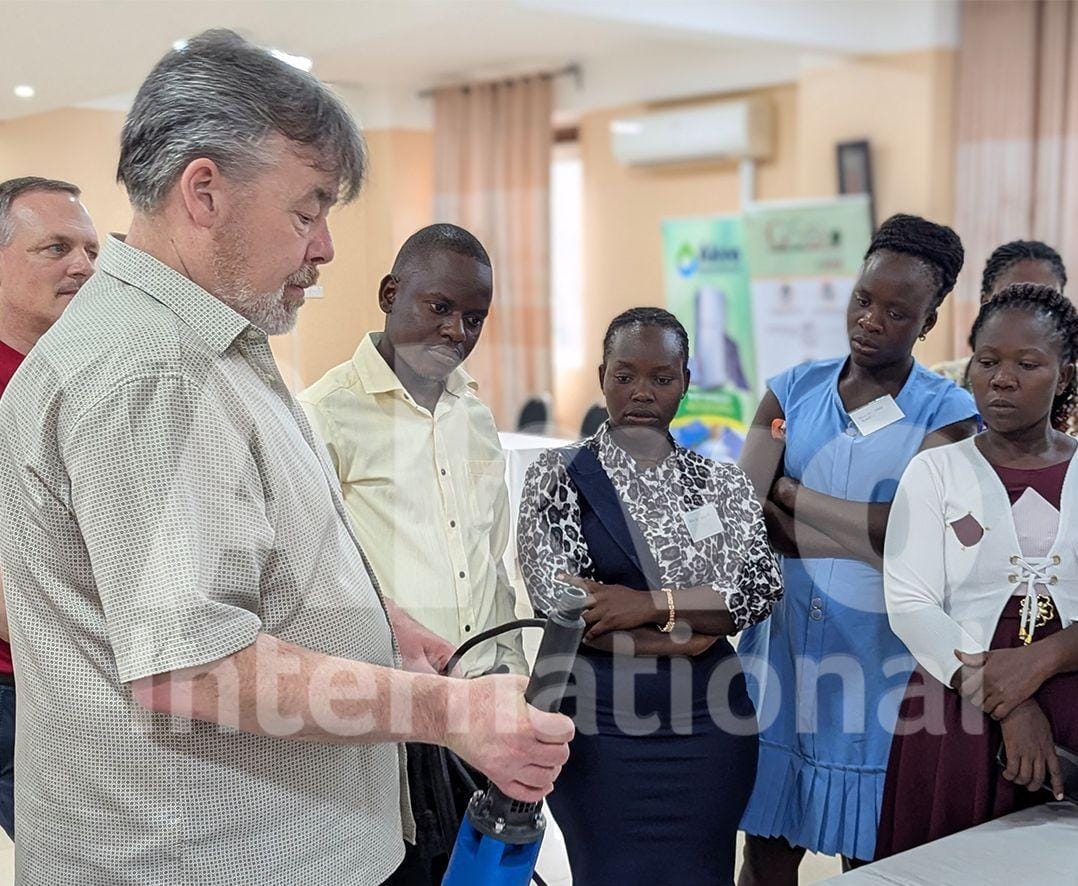
The project has already completed a three-day recruitment and training program for field agents who will begin engaging farmers in Uganda’s Eastern and Northern regions. These agents will serve as the frontline link between the consortium and farming communities, introducing climate-smart irrigation solutions and offering hands-on support.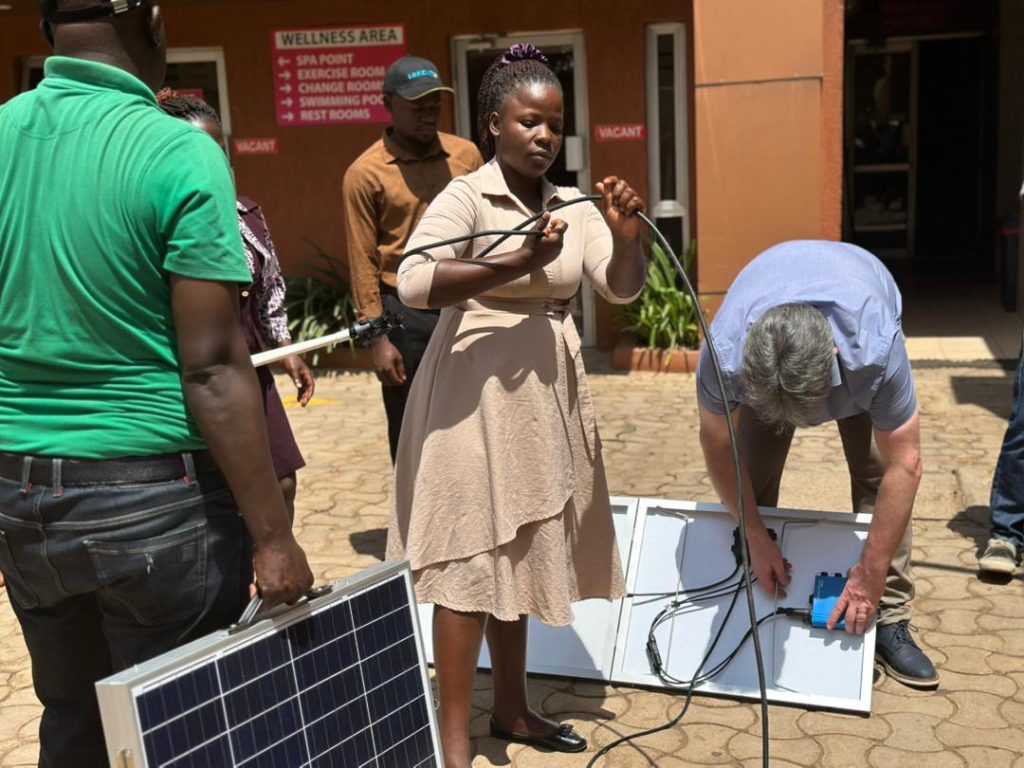 Funded by the Danish Ministry of Foreign Affairs through the Danida Green Business Partnership Programme, the initiative brings together the Eastern Africa Grain Council (EAGC), Germany-based solar irrigation firm Lorentz, Akvo International, and Access to Innovation.
According to Adrian Honey, Head of Marketing and Business Development at Lorentz, the project is designed to close the productivity gap between commercial farms and smallholder farmers, who have historically struggled to access advanced agricultural technologies.
“The difference between what a commercial farm can produce per acre and what a smallholder farmer produces is significant,” Honey said. “Our goal is to bring smallholder yields much closer to those of commercial farming operations.”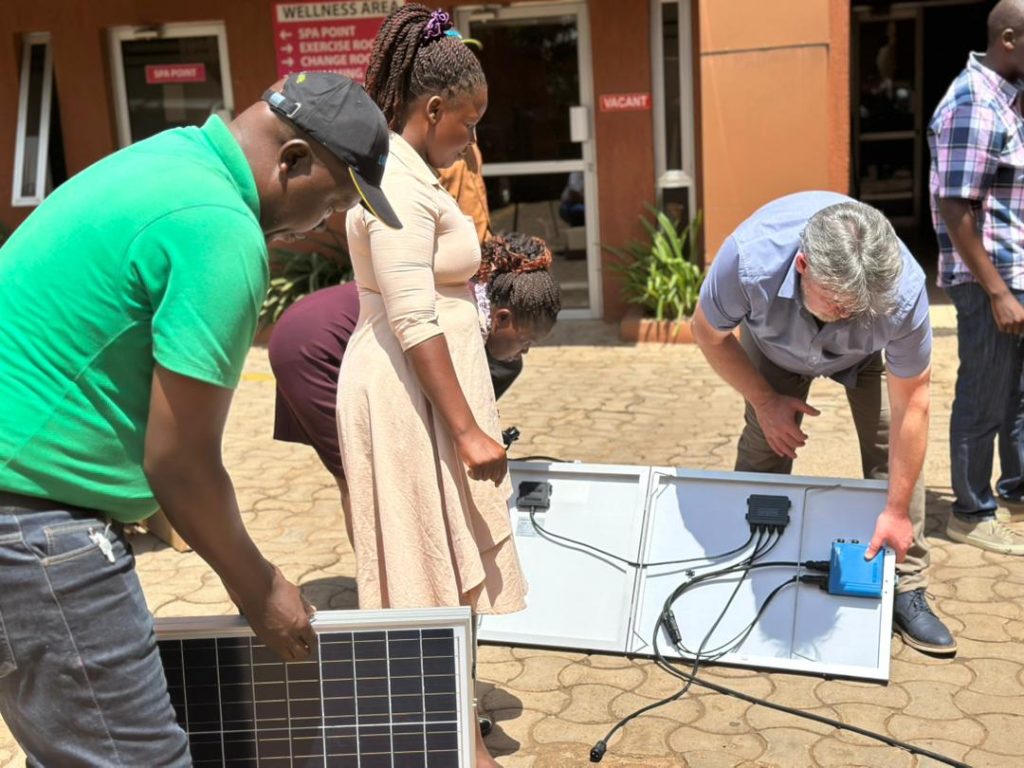 Unlike traditional programs that focus solely on distributing equipment, the initiative adopts a comprehensive “package solution” approach. This includes farmer education, long-term coaching, sponsorship arrangements, and tailored technical solutions. Honey noted that the consortium has already engaged with more than 3,000 farmers to better understand their needs before deploying the irrigation systems.
Central to the implementation strategy is EAGC’s network of grain business hubs. Paul Ochuna, EAGC’s country program manager, explained that the project aims to organize and support 25,000 farmers in the Eastern and Northern regions, ensuring they are not only productive but also ready to access markets.
“These farmers have been heavily affected by climate change,” Ochuna said. “Our support goes beyond technology—we walk with them from pre-production through production, post-harvest handling, and finally market access.”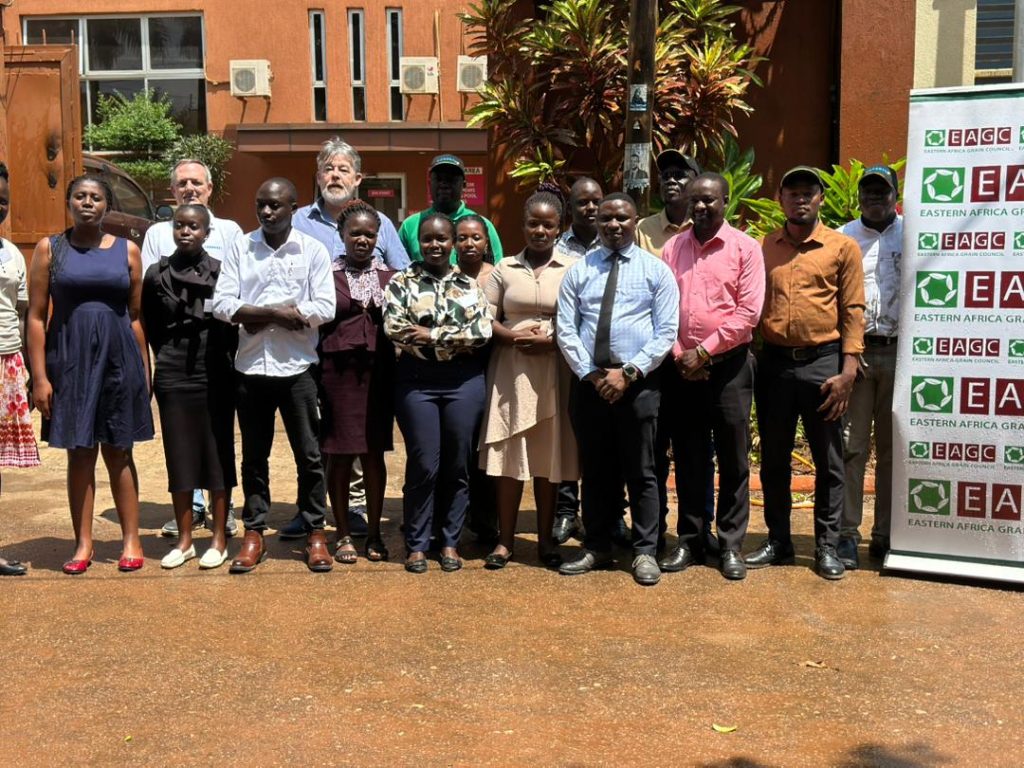 To address the high cost of solar irrigation technology, the consortium has structured an innovative financing model. A World Bank grant covers 60 percent of the equipment cost, while the remaining 40 percent can be financed through Post Bank, offering a 15 percent discount and a repayment period of up to three years.
Daniel Eberu, Projects and Field Service Manager at Akvo International Limited, said the financing structure removes affordability barriers for rural farmers. After subsidies, irrigation packages range between 2.4 million and 4.7 million Ugandan shillings.
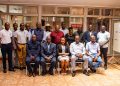
The initiative marked a key milestone this week with the training of 10 specialized sales agents. Equipped with demonstration kits, these agents will provide on-farm training to ensure farmers can effectively use the technology to improve food security and boost household incomes.