


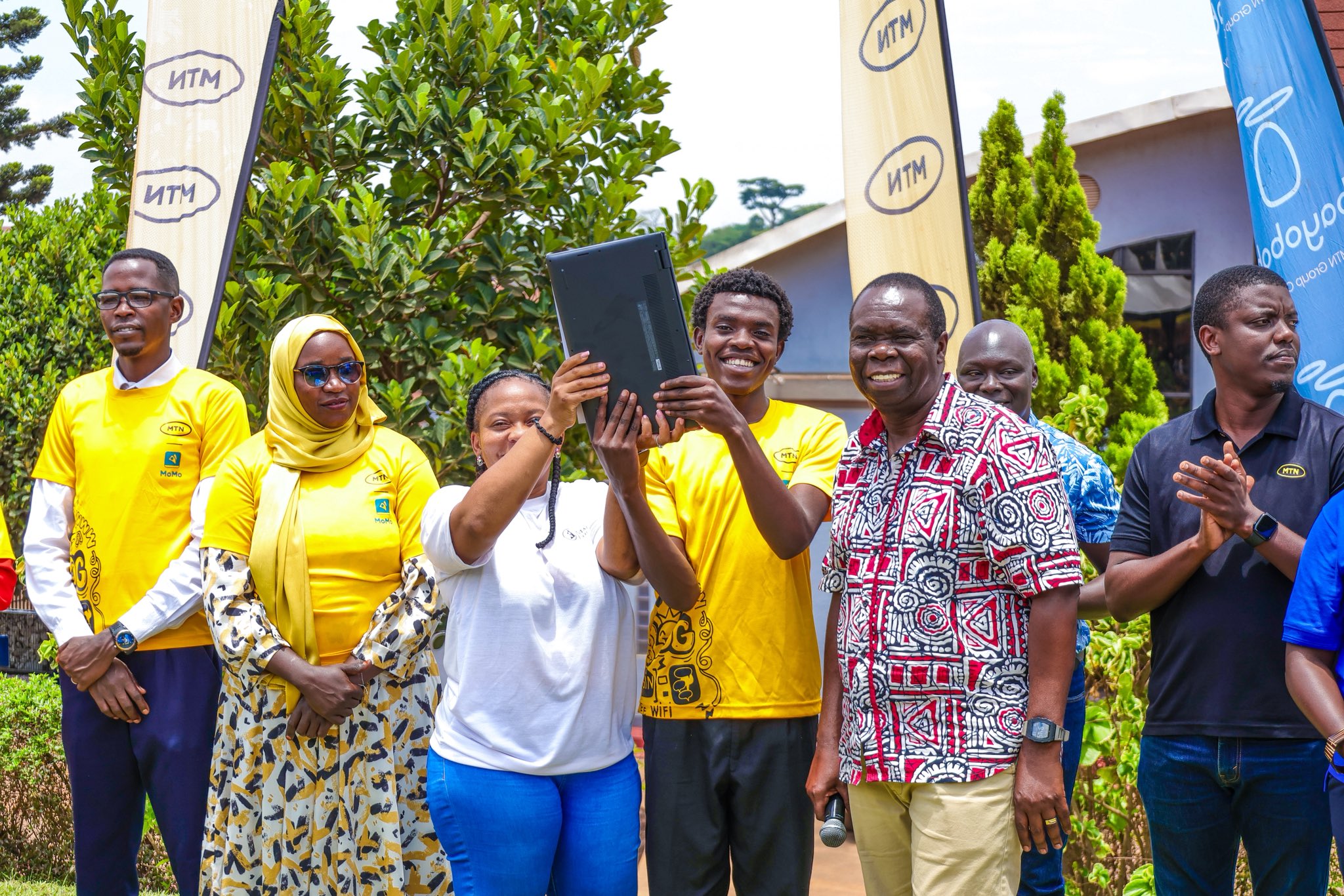
MTN Foundation, in partnership with the Maendeleo Foundation, has graduated 305 trainees in Kampala region from the sixth phase of its MTN Internet Bus and Financial Literacy Programme, bringing the total number of people trained through the initiative to more than 6,700.
The graduates received certificates at a ceremony held at R Labs Uganda in Makerere Kikoni, marking another milestone in MTN’s efforts to equip Ugandans with future-fit skills for an increasingly digital economy. The MTN Internet Bus is a mobile classroom designed to reach last-mile communities by overcoming barriers of distance, cost and access.
The training covers practical digital and financial literacy, including safe internet use, digital productivity and the responsible use of digital financial services. Participants were also introduced to further learning opportunities through the MTN Skills Academy.
Implemented by the MTN Foundation with partner organisations, the programme has recorded almost equal participation by men and women and a completion rate of more than 90%.
These results underscore the programme’s wider relevance as the Government implements the National Development Plan IV and pursues its ambition of expanding Uganda’s economy tenfold to US$500 billion by 2040. Technology, innovation and digital skills are expected to be important drivers of that transformation.
Against this backdrop, chief guest, Micah Rwothumio, Senior Pastor at University Community Fellowship said digital skills are becoming increasingly important to education, livelihoods and economic participation, and called for continued government–private sector partnerships to expand access to technology and skills.
“I encourage other private-sector players to similarly explore ways of supporting government efforts to equip Ugandans with the skills required for the future of work,” he said.
Echoing this call, Augustine Lule, MTN Regional Business Manager – Kampala, said the programme forms part of MTN Uganda’s Ambition 2030 strategy and its broader focus on digital inclusion, financial inclusion and skills development.
“Connectivity provides access, but skills determine how that access is converted into opportunity and economic value,” Lule said.
That link between access and opportunity was also reflected in the graduates’ experiences, with participants highlighting how the practical skills gained can be applied beyond the classroom.
Madina Musa Ahmeed Adam, a graduate, said: “This training has given us practical digital skills and new knowledge that we can use to explore opportunities and participate more confidently in the digital economy. We are leaving with skills we can apply in our daily lives and work.”
Shafik Kizito, another graduate, said: “We are celebrating more than just certificates. We have gained knowledge and opened ourselves to new opportunities. This programme shows what can be achieved through partnership to empower people and transform communities.”
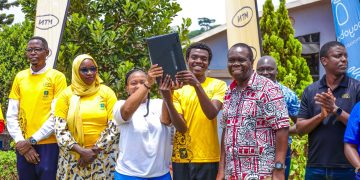
Beyond the certificates, the programme recognised its top four performing trainees Godwin Kagibwami, Madina Musa Ahmeed Adam, Mohammed Khamies and Getrude Nankaja—with a laptop, tablet, Kabode smartphone and MiFi device respectively to support their continued learning and connectivity.
To build on this foundation, MTN encouraged all graduates to continue learning through the MTN Skills Academy and explore opportunities through MTN ACE and its innovation hubs, creating a pathway from digital literacy to advanced skills, innovation and entrepreneurship.
By combining access with practical skills and continued learning opportunities, the Internet Bus programme advances MTN Uganda’s commitment to helping more Ugandans participate meaningfully in the digital economy and enjoy the benefits of a modern connected life.