

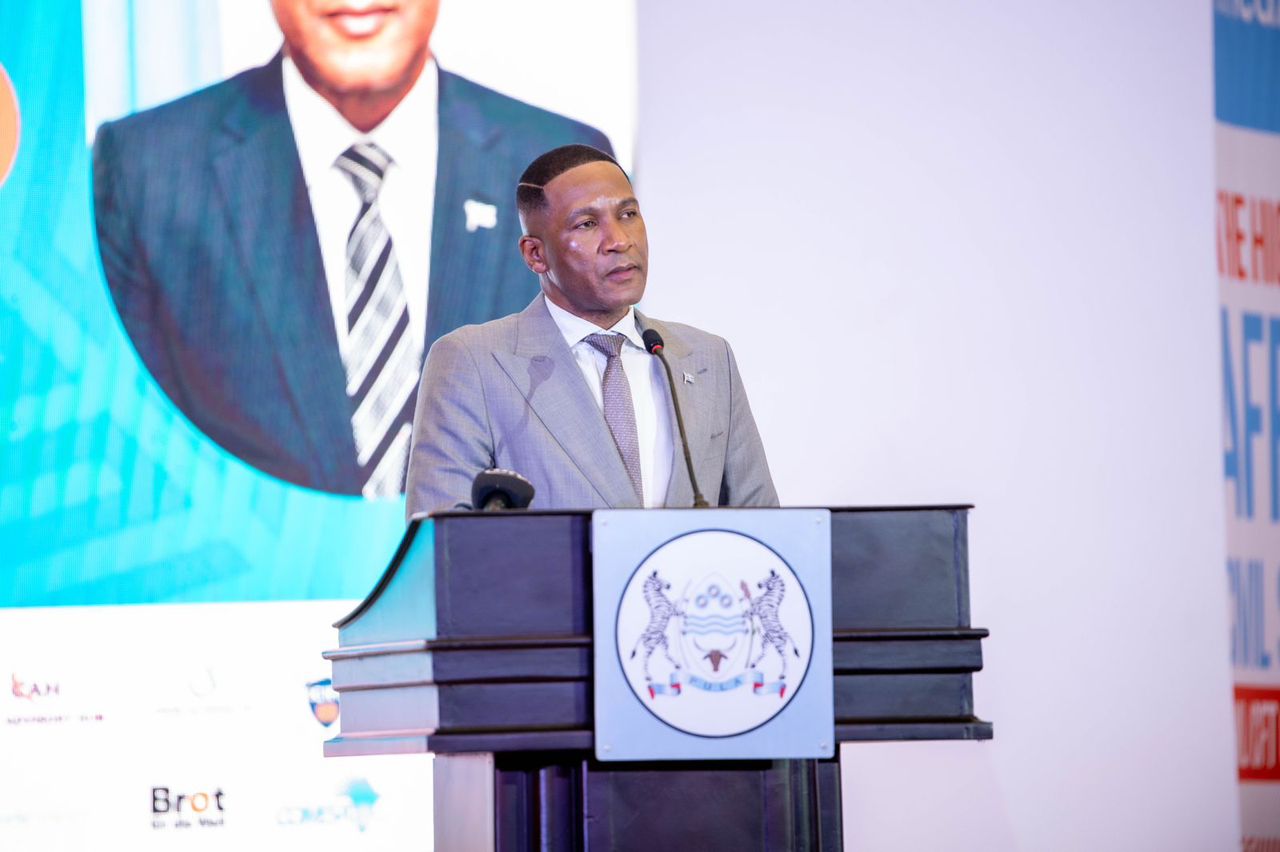
BOTSWANA: Civil society leaders, government representatives, regional bodies, regulators, and financial institutions have renewed their commitment to combating money laundering, terrorism, and its financing across Africa.
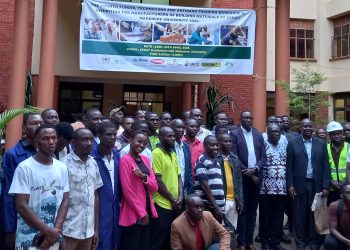
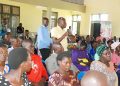
This commitment was reaffirmed during a three-day High-Level Africa Civil Society Conference held in Gaborone, Botswana, which focused on strengthening the continent’s fight against money laundering, terrorism financing, and illicit financial flows.
The conference was organized by Civic Advisory Hub (Uganda), Spaces for Change (Nigeria), the Ministry of Labour and Home Affairs of Botswana, and the Institute for Combatting Illicit Financial Flows at the University of Botswana under the theme
“Placing Civic Space at the Heart of Combating Money Laundering, Countering Terrorism, and its Financing in Africa.”
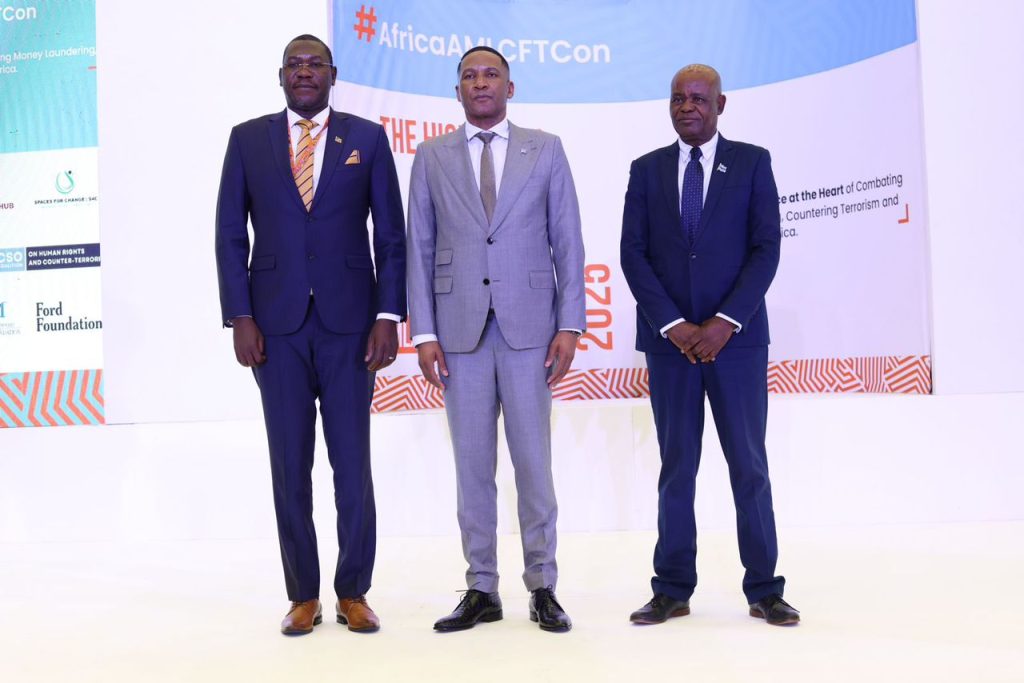
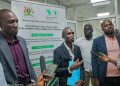
Yona Wanjala, Executive Director of Civic Advisory Hub, emphasized the scale of financial losses Africa faces due to illicit flows.
“Africa is grappling with challenges of money laundering and terrorism financing. Statistics reveal that annually, we lose close to $88.6 billion. If this money were recovered, it would help us achieve many development goals. Unfortunately, due to governance deficits and the lack of systems to recover these funds, we remain among the poorest on the planet—even though we are richly gifted,” Wanjala explained.
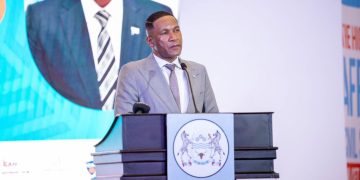
Officiating at the conference, the President of Botswana, Gideon Boko, called on African leaders to curb the theft of public resources, which are a major source of laundered funds.
“Why do we have this problem? It’s because of a deep-rooted tendency among some public officials to enrich themselves. They turn the public purse into their private chest. They steal resources entrusted to them and use them for personal gain,” President Boko said.
Victoria Ibezim-Ohaeri, Executive Director of Spaces for Change (West Africa), urged governments to recognize civil society organizations as allies in this fight, not adversaries.
“We are ready to cooperate with governments to combat illicit financial flows. Rather than frustrate our work, consider us partners in this fight. Most civil society organizations comply with all laws—these laws, however, should not be misused against us. Enable us to continue the good work,” she stated.
Valerie Mulatedi, Chairperson of the Institute for Combatting Illicit Financial Flows in Botswana, encouraged delegates to act on the resolutions made.
“Let us build strong collaborative networks, and turn shared knowledge into resilient financial systems. Only then can we defeat those who seek to destroy them through illicit financial flows,” she advised.
The High-Level Africa Civil Society Conference is an annual flagship event initiated by Civic Advisory Hub and Spaces for Change. It brings together diverse stakeholders from civil society organizations, rights-based groups, governments, intergovernmental bodies, Regional Economic Communities, multilateral organizations, Financial Intelligence Units, banking institutions, research institutes, academia, and the media. Its aim is to shape inclusive, risk-based, and rights-focused financial integrity frameworks across the African continent.