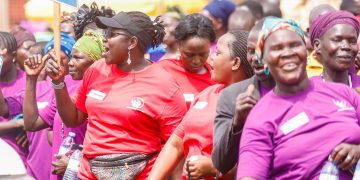



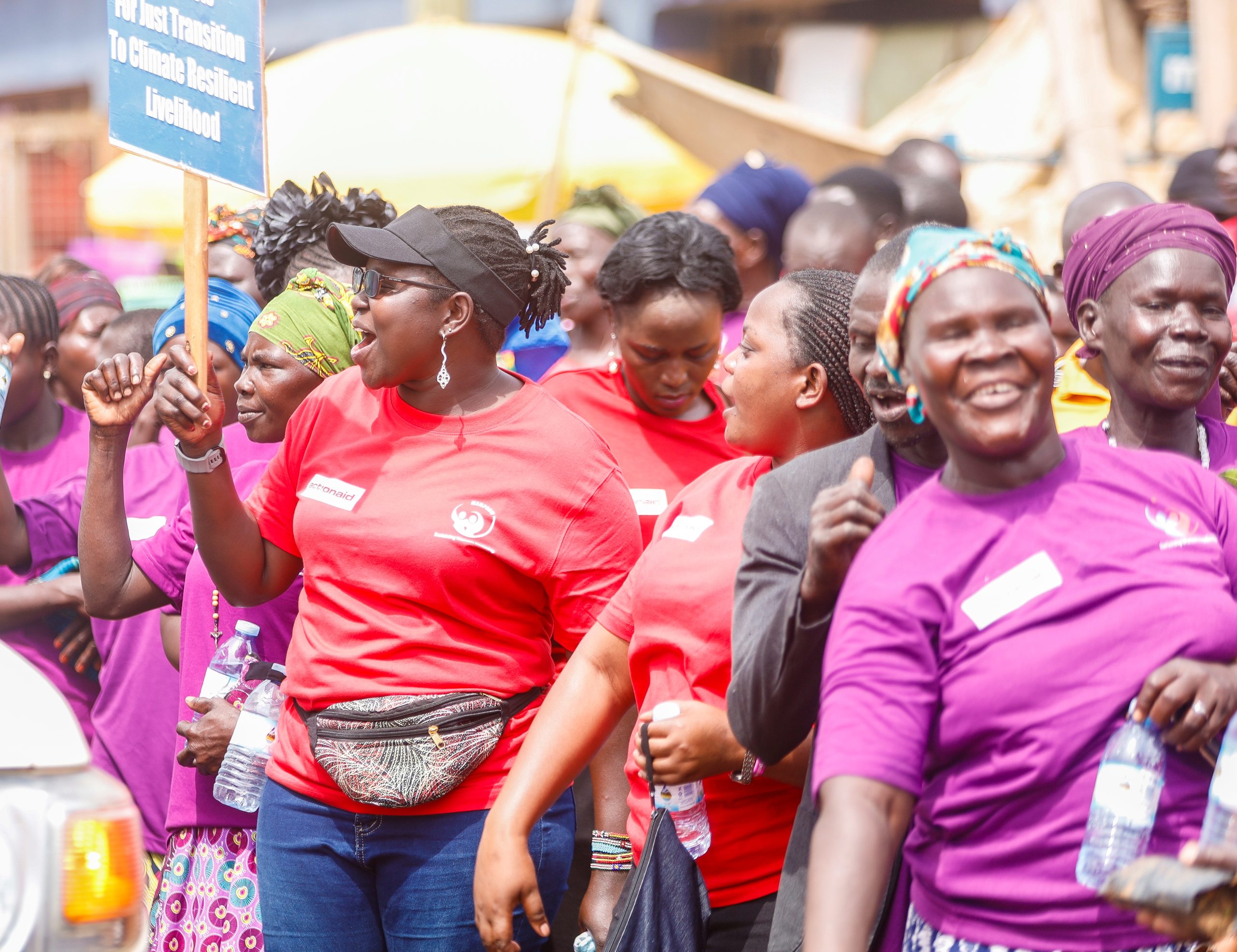
NEBBI DISTRICT: Local leaders and Climate change advocates in West Nile, particularly Nebbi district want the government to invest in alternative energy sources and adaptation strategies, to help communities manage the effects of climate change.
They say that climate change in the area has worsened, leading to socio-economic challenges, such as poverty, food insecurity, and restricted access to essential services, especially during flooding.
According to them, some families feel are forced to marry off their daughters at tender age, seeking pride price and financial assistance as a result of these climate change effects on community livelihoods.
The Environment Officer for Nebbi Municipality, Collins Oweka, noted that climate change situation is critically concerning across the district, with many families struggling to afford basic meals.
She said that “Most of our crops are failing because of the very little rainfall. We have been trying our best to plant more trees, such that we reduce the effect, but we needed more funding.’’
She further noted that due to climate change impacts in the community, some families struggle to care for their children, leading to girls and women often becoming victims of their situations.
‘’This can manifest in forced early marriages or sexual abuse when they travel long distances to fetch water, gather firewood, or food.’’ She stated during a climate awareness event organized by the Mentoring and Empowerment Programme for Young Women (MEMPROW) with support from Action Aid International Uganda (AAIU).
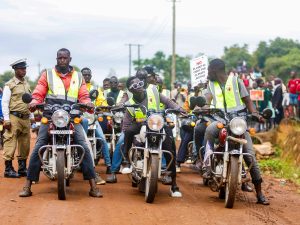
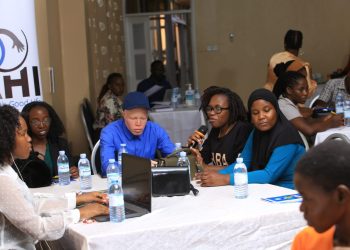
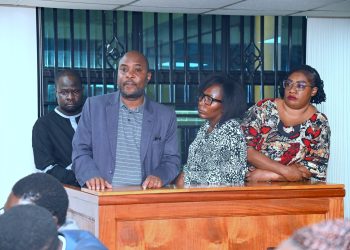
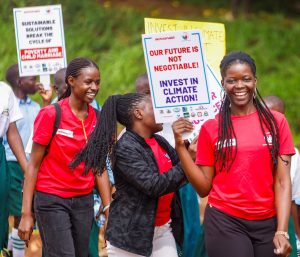
The event held at the Nebbi Primary playground on October 29, 2024 attracted different participants including environmental experts, students, activists, religious leaders, community members, and government officials.
All attendees took part in a solidarity march for climate awareness around Nebbi town.
“That is why today’s activity is very important in the municipality. It creates awareness for people to know that climate change is real and know what to do.’’ Ms Oweka said.
She also said that ‘’there is a need for us all to try to work hard and reduce the effect. We need to do more if we are to reduce the effect of climate change in Nebbi, We need to speak to the community, to let them know that it’s no longer business as usual.’’
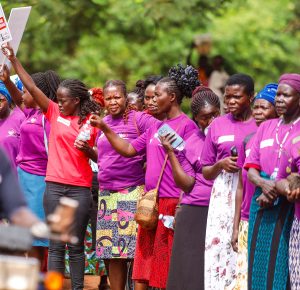
During the event, Students from different schools in the Western Nile region participated in a climate justice debate, and winners were awarded with educational materials.
In his remarks, Mak-Christo Saviour, the Team Leader of El-Three Agroecology Center, noted that as the organization, are collaborating with youth and women’s groups to enhance their resilience against the impacts of climate change.
He said that “we usually use local approaches to give long-lasting and resilient solutions. We work on areas of soil, water management, sustainable farming practices, using agriculture practices and principles to create food in communities.’’
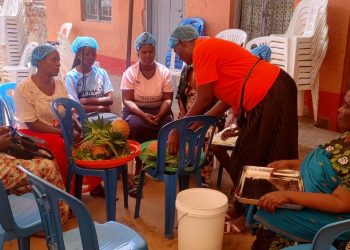
He explained that they also provide training to the groups on the construction of energy-efficient stoves, the implementation of water harvesting techniques, the production of organic fertilizers and manure, and the creation of homemade pesticides to address the impacts of climate change.
Mr. Saviour further said that they have engaged in tree planting and are implementing agroforestry programs in schools, communities, and residential areas.
He said in this this, they are collaborating with local leaders and cultural leaders, and all have been supportive in efforts to combat climate change and strive for a sustainable future.

‘’Masive deforestation for charcoal production and the significant land clearing for commercial agriculture remains major contributors to environmental degradation in the region.’’ Said Robert Asimwe, a climate justice advocate
He emphasized that these practices leave the land exposed and vulnerable, and called for additional funding to address the critical issues
Patience Kwiocwiny, the Program Officer at MEMPROW, said that ‘’all Ugandans, regardless of their social status, must participate in the war against climate change, It is impacting everyone, but the most affected are the women and rural communities because they heavily depend on agriculture as their means of livelihoods.’’
She noted that as MEMPROW, they are collaborating with district leaders, stakeholders, and community members to raise awareness about the impacts of climate change and call to action.
‘’Our goal is to foster collective efforts towards achieving climate justice and enhancing the livelihoods of young women and the broader community. We offer training programs for young women focused on effective farming methods, particularly agro-ecological practices.’’ She stated.
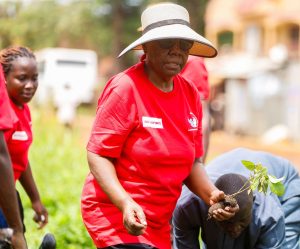
According to her, the training also includes instruction on the preparation and use of locally sourced pesticides and insecticides, which can reduce crop diseases while increasing yields and improving soil health.
Daniel Odong, the head of Yellow Power operating under the Joint Energy and Environment Programme (JEEP) observed that in Nebbi, obtaining firewood has become quite challenging, prompting residents to resort to using cassava stems for cooking and some individuals have started using plastics as a cooking fuel.
He noted that their goal is to shift people’s attitudes and mindsets towards increasing tree planting and improving waste sorting practices