


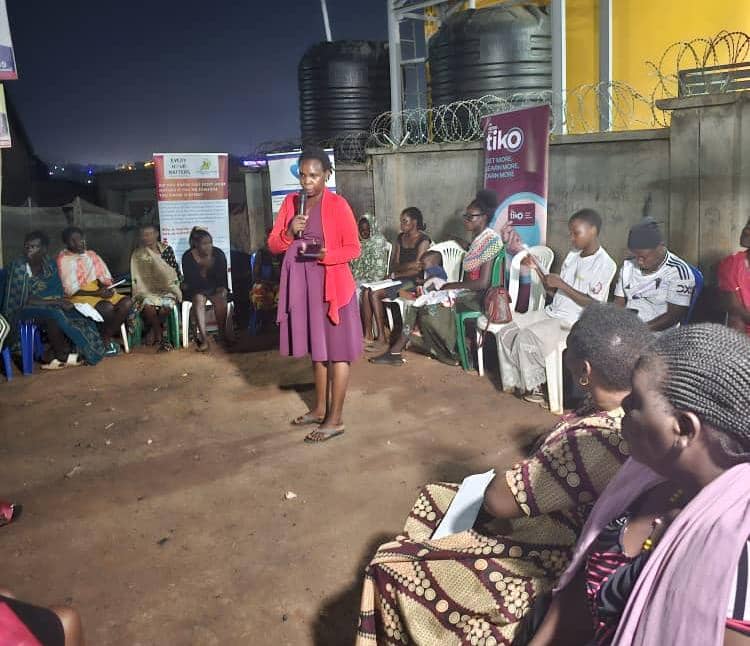
KAMPALA, Uganda: ASP Kwagala Annet from the Jinja Road Police Station’s Child and Family Protection Office has revealed that the division records an average of 15 sexual harassment cases every month though many more incidents remain unreported.
She made the remarks during a fireside chat organized by the Uganda Youth and Adolescents Health Forum (UYAHF) and tiKO Uganda in Banda–Nakawa.
Kwagala noted that sexual offences are rampant, but survivors often stay silent due to shame, stigma, and pressure from their communities. Some parents, she added, even choose to negotiate with suspects for financial gain instead of reporting the crimes.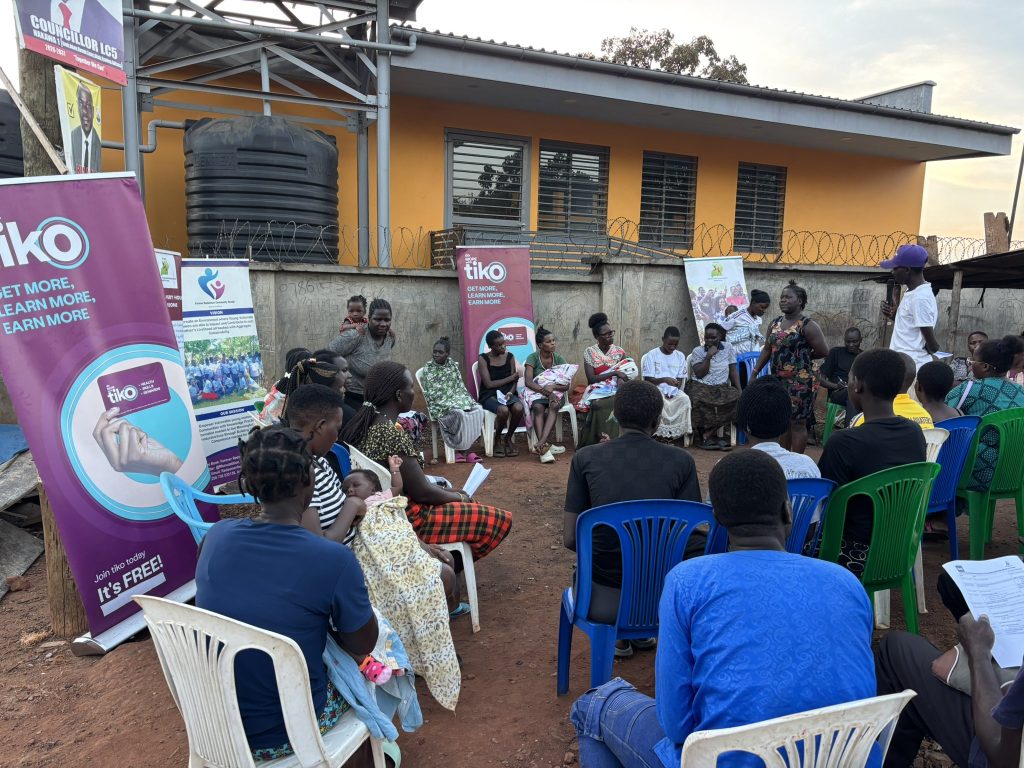 She further explained that even when cases reach the police, many complainants later abandon them, making investigations and prosecutions difficult.
David Kukyana from UYAHF said the fireside chat was part of efforts to raise awareness about sexual and gender-based violence during the 16 Days of Activism. He highlighted ongoing challenges such as teenage pregnancy and child marriage, stressing that the dialogues aim to empower communities to confront these issues.
Dr. Anyu Martha from Kiswa Health Centre IV pointed to ignorance as a major driver of sexual harassment. She said many cases occur within communities but go unreported due to laxity and lack of awareness. She also warned about deteriorating behavior among youth driven by drug abuse, alcohol use, and the influence of unregulated online content.
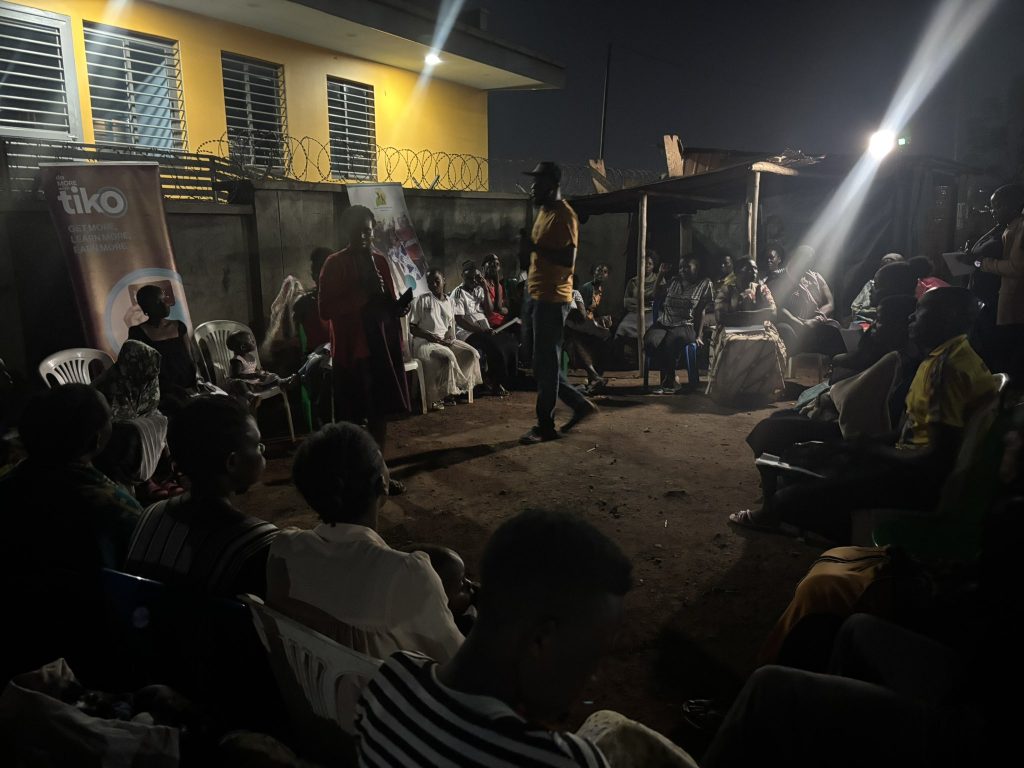 According to Dr. Anyu, exposure to inappropriate media combined with limited education encourages harmful behavior, including sexual, physical, and emotional violence. She emphasized the need for communities to recognize incidents and report them, as authorities cannot intervene in cases they do not know about.
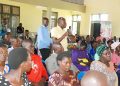
Organizers noted that the fireside chat is also intended to help survivors understand the available reporting channels and build confidence among those who wish to share their experiences. The session brought together police officers, health workers, community leaders, parents, and young people—ensuring all perspectives were represented.
They stressed that such collaborations are essential to creating safer communities and ensuring that no survivor is left unheard.