




KAMPALA, Uganda: Government has been urged to invest in digital literacy programs as a key strategy to reduce technology-facilitated gender-based violence (GBV), which disproportionately affects women and girls.
Speaking at the National GBV Symposium held in commemoration of the 16 Days of Activism, Mercy Grace Munduru, Head of Programs and Fundraising at ActionAid Uganda, said that although technology has expanded access to information and safety tools, it has also created new threats, making digital violence an increasingly urgent concern.
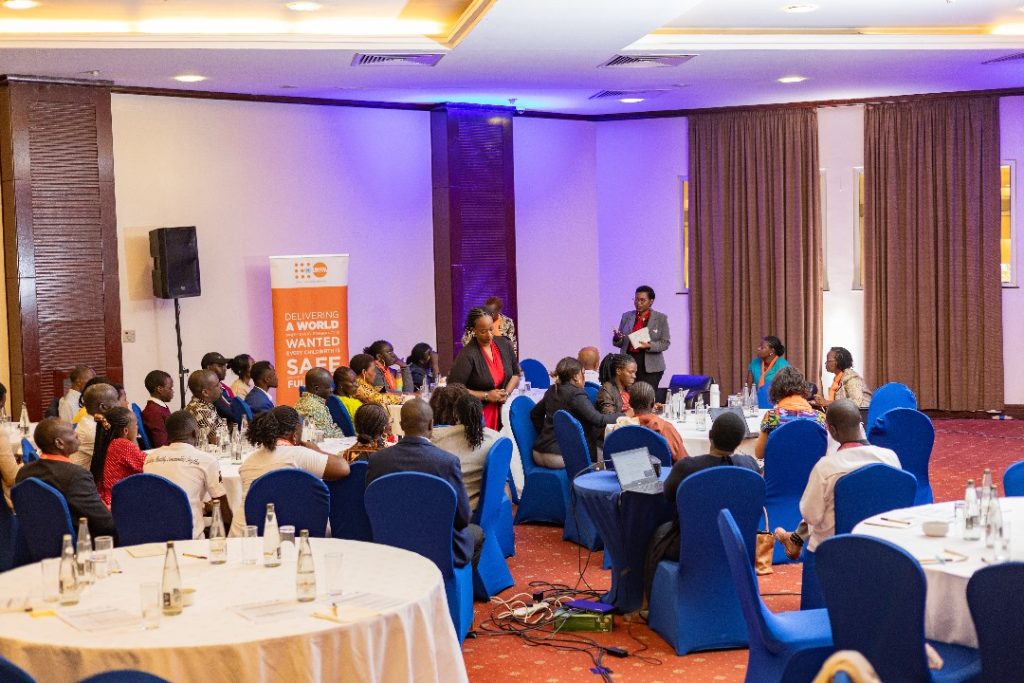
Munduru noted that digital education empowers women and girls to recognize signs of online abuse and equips them with the skills to use privacy settings and digital safety tools effectively.
“If we do not recognize digital violence as a problem, we cannot find solutions. ActionAid calls for greater investment in digital awareness, data safety, and support for feminist and social movements to protect women and girls online,” Munduru said.
At the same event, Dr. Harriet Kebirungi, Senior Lecturer of Gender and Development Studies, warned that online spaces have normalized gender-based violence, often fueled by misinformation and deepfakes—leading to serious mental, reputational, and even physical harm.
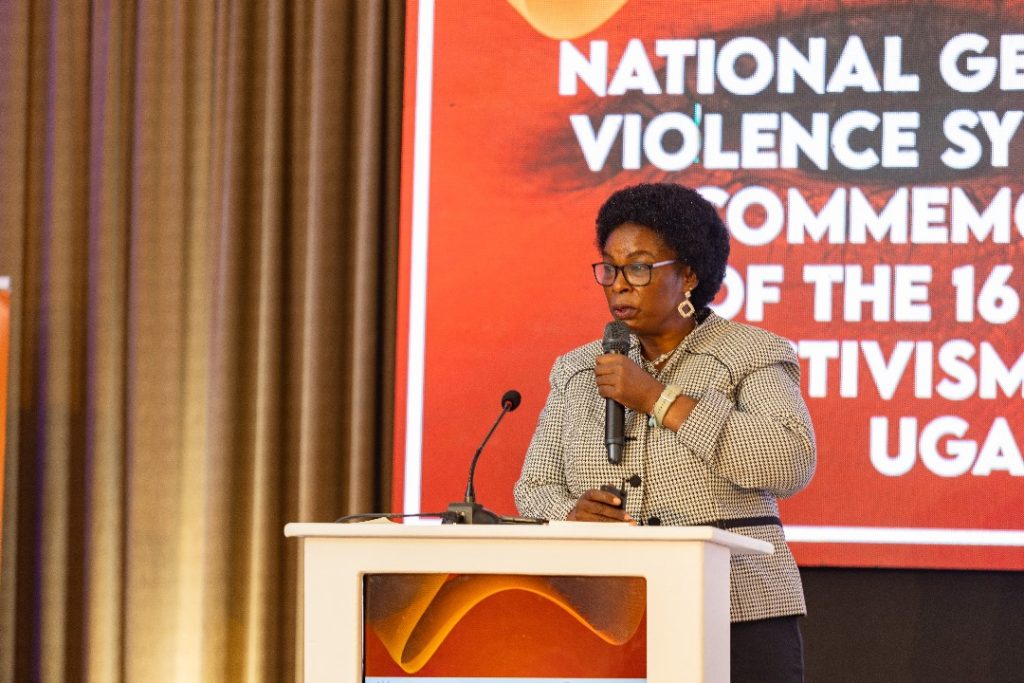
“Women are too often reduced to entertainers or sex objects online. We must empower women in political, economic, and social spaces, especially those with large online followings to reclaim digital platforms and advocate for safer online environments,” Dr. Kebirungi stated.
She further urged technology platforms to adopt transparent and accountable practices, while calling on users to promote respectful engagement online. Responding to violence with more violence, she stressed, only multiplies harm, and digital spaces should not replicate or deepen existing societal inequalities.
Michael A. Opio, Program Director at Care International Uganda, emphasized that digital access for women and girls “is not a luxury, but a lifeline” for health, education, and improved livelihoods. He noted that digital violence affects not only rural women, but also urban graduates and working professionals.
“One in three women experiences online violence. They must demand privacy, safety, and protection online. Silence will not end it—speak up and help shape the digital space,” Opio urged.
Officiating at the event, Angela Nakafeero, Commissioner for Gender and Women Affairs at the Ministry of Gender, said that rapid digital development is transforming economies globally, bringing both unprecedented opportunities and significant risks.

Nakafeero called on government to strengthen laws and policies on data protection and online safety, and urged telecom and digital companies to uphold users’ rights and take responsibility in preventing online abuse.

Dr. Katja Y. Kerschbaumer, Head of Austrian Embassy/Development Cooperation, has reaffirmed that technology-facilitated gender-based violence is a form of GBV, as its harms mirror offline abuse rooted in power, control, and gender discrimination.