


The government has been urged to increase investment in HIV/AIDS prevention programmes as part of efforts to reduce new infections, particularly among adolescents and young people.
The call was made by Dr Anthony Ruhangayebare, head of St. Francis Health Care Services, an organisation supporting young people living with HIV/AIDS.
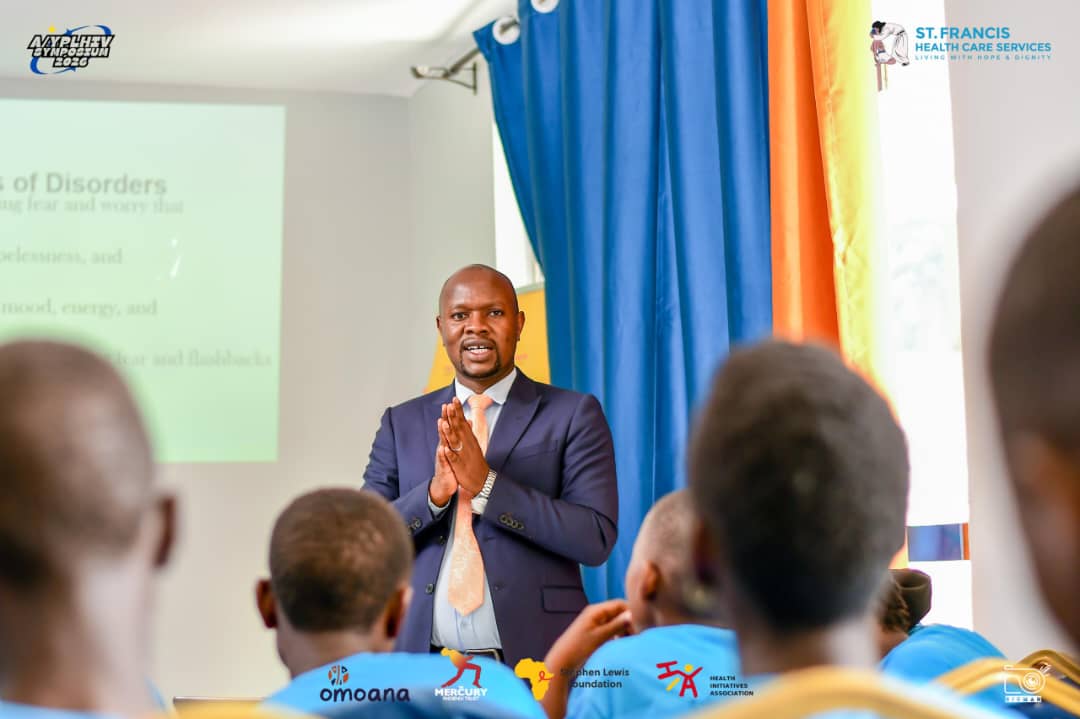
Ruhangayebare was speaking during the 2026 Adolescent and Young People Living with HIV Symposium (A/YPLHIV) held at Mountain Inn Bujjowali in Njeru under the theme “Safe Minds, Strong Voices.”
He said caring for people living with HIV requires long-term medical care, treatment and psychosocial support, making prevention critical in reducing the burden on individuals, families and the health system.
“Currently, our organisation is taking care of about 400 young people living with HIV/AIDS,” Ruhangayebare said, noting that the number continues to grow.
He called for increased government support for HIV prevention interventions, including community sensitisation, early testing, access to preventive services and targeted programmes for adolescents and young people.
Ruhangayebare said concerted efforts by government, health partners, communities and other stakeholders could significantly reduce new HIV infections and accelerate efforts to end AIDS as a public health threat.
He argued that investing in prevention is more cost-effective than dealing with the long-term medical and social challenges associated with new HIV infections.
Meanwhile, the Ministry of Health has urged people newly diagnosed with HIV to seek counselling and start treatment as soon as possible to improve their health and prolong their lives.

Buikwe District Health Officer Dr Allan Katamba Ssemakula said some people who test positive for HIV go into hiding or make harmful decisions because they believe their lives have come to an end.
He said effective HIV treatment enables people living with the virus to live longer and healthier lives while reducing the risk of opportunistic infections.
“Some people, upon discovering that they have HIV, resort to hiding, while others decide to infect others because they think their life has ended. Yet, starting treatment can help them live longer and fight off opportunistic infections,” Dr Ssemakula said.
He said the Ministry of Health, through the AIDS Control Programme and other partners, has strengthened interventions aimed at reducing HIV transmission, including among children and young people.
The interventions include community sensitisation and implementation of policies and programmes aimed at preventing new infections.
Dr Ssemakula urged health workers and other stakeholders to prioritise adolescents in HIV prevention programmes, saying early intervention is crucial in protecting young people from infection.
Alex Muwanguzi, Youth Empowerment Coordinator at St. Francis Health Care Services, said the symposium provides a platform for young people living with HIV to access information, share experiences, discuss challenges and identify possible solutions to improve their quality of life.
He said the symposium targets young people aged 13 to 24, including those who acquired HIV at birth.
Muwanguzi said some young people who were born with HIV face challenges as they grow up and may make decisions that affect their health, making continued counselling, empowerment and psychosocial support important in promoting treatment adherence and viral suppression.