


KIMUMBASA, Kampala (UGNEWSLINE) — Deep trenches cut through narrow, untidy paths. Makeshift houses stand close together, some appearing barely fit for human habitation. Small bars operate from crowded structures and along poorly maintained streets, while young people openly use substances such as marijuana and mayirungi. In another corner, older women sit smoking tobacco pipes, locally known as emindi, as life unfolds in a community where survival appears to take precedence over comfort.
This is Kimumbasa, a neighbourhood in Jambula Zone, Bwaise, Kawempe Division, one of the urban communities on the outskirts of Kampala where poverty, poor sanitation and social vulnerability present challenges that extend beyond the physical environment.
For many people who live and work here, these conditions are part of everyday life. Despite the difficulties, residents continue to work, socialise and pursue their livelihoods. However, beneath the ordinary activities of the community lies a pressing public health concern: access to essential sexual and reproductive health and rights (SRHR) services, particularly for young people and other vulnerable groups who may struggle to seek care from conventional health facilities.
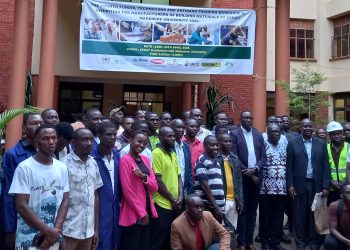
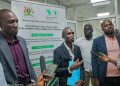
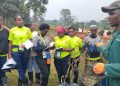
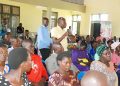
On Thursday, October 8, 2026, the Uganda Youth and Adolescent Health Forum (UYAHF) brought health services directly to Kimumbasa through what the organisation calls a Moonlight Session, an outreach initiative designed to reach people who face barriers to accessing healthcare.
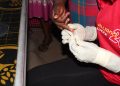
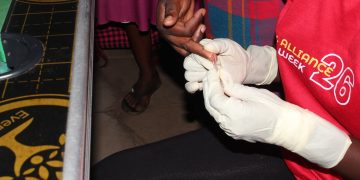
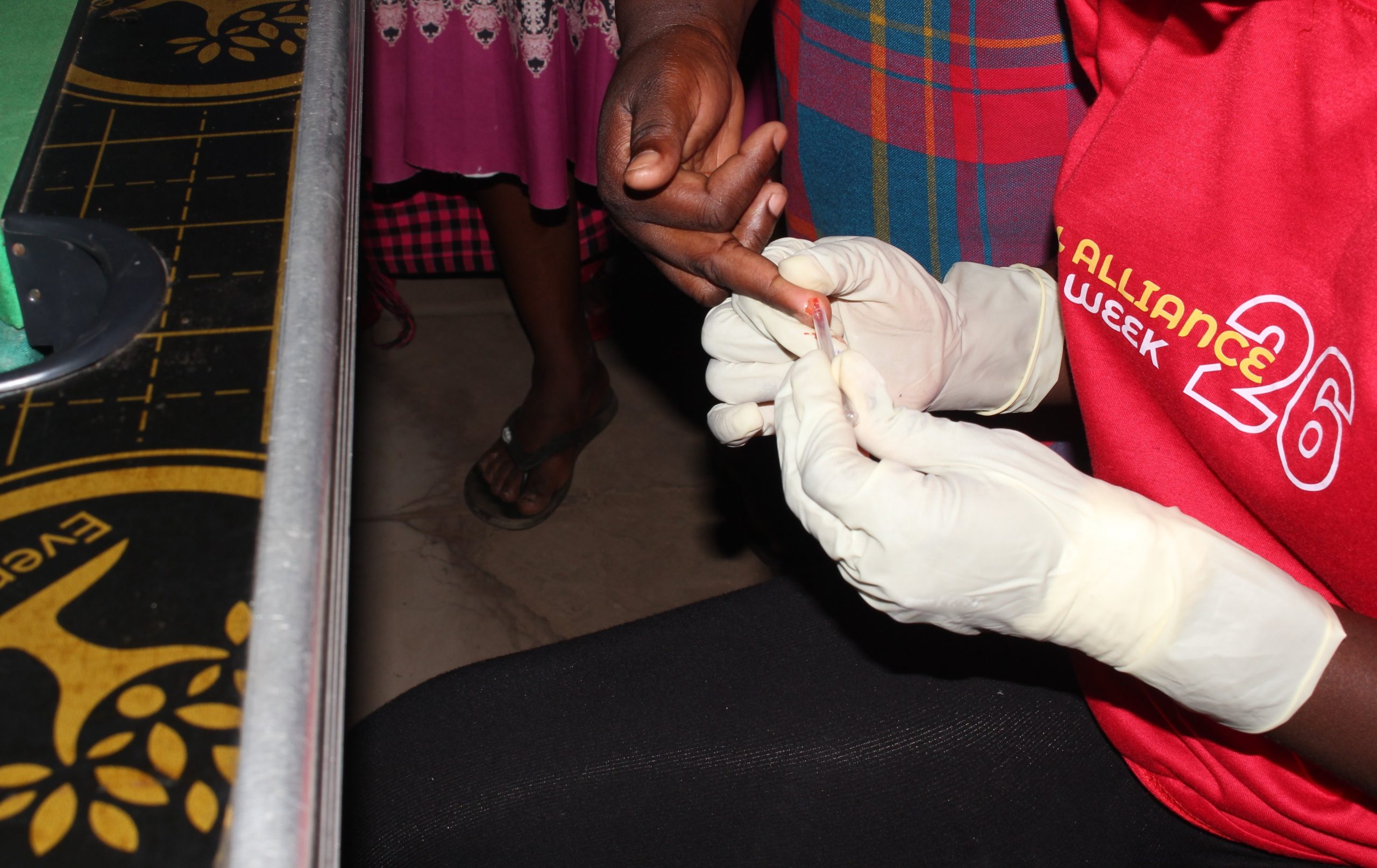
The outreach provided services including HIV testing, infection screening and treatment, alongside other sexual and reproductive health services. The initiative focused particularly on key populations and other vulnerable community members who may avoid health facilities because of stigma, discrimination and other social or practical challenges.
The intervention offered a glimpse into the realities of a community that needs more than occasional medical outreach. It highlighted the importance of sustained healthcare programmes that recognise the living conditions, social circumstances and health needs of people who are often overlooked.
A community shaped by difficult living conditions
A visit to Kimumbasa reveals a settlement where environmental and social challenges are closely connected.
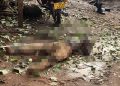
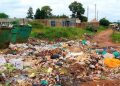
The area is characterised by poorly maintained drainage channels, trenches, overcrowded structures and streets that appear to receive limited attention. In some places, the arrangement of houses leaves little room for proper movement, while the condition of the surroundings raises concerns about sanitation and the general wellbeing of residents.
Such conditions can increase exposure to environmental health risks, particularly where drainage is inadequate, waste disposal is poor and access to clean surroundings is limited. For families living in crowded or poorly ventilated structures, maintaining privacy, hygiene and a healthy living environment can also be difficult.
Yet Kimumbasa is not simply a picture of deprivation. It is a living community whose residents have adapted to their circumstances.
Bars and small drinking establishments are common features of the neighbourhood. Some operate from modest buildings, while others occupy spaces along narrow, poorly maintained streets. These establishments provide places where residents gather and socialise, reflecting the economic and social activities that sustain everyday life in the settlement.
For young people, however, the visible presence of drugs and other substances raises questions about substance use, public health and the availability of opportunities that support healthier lifestyles.
During the visit, young people were observed openly using substances, including marijuana and mayirungi. The extent of substance use across the entire community cannot be established from a single visit, but the scenes witnessed point to the need for closer attention to the circumstances influencing young people’s behaviour.
Substance use in vulnerable urban communities should not be viewed in isolation. It can intersect with unemployment, limited access to education, mental health challenges, social exclusion and difficulties accessing healthcare. These factors do not affect everyone in the same way, but they demonstrate why interventions must go beyond simply warning young people against harmful behaviours.
Community-based programmes that combine health education, counselling, psychosocial support and referral services can help address some of these interconnected challenges.
The women behind the tobacco pipes
One of the striking observations in Kimumbasa was the presence of older women openly smoking tobacco through pipes known locally as emindi.
When some residents were asked about the practice, they explained that the pipes were associated with calling clients. Their accounts suggested that some of the women involved belonged to key population groups.
The observation raises important questions about the health needs of women whose livelihoods or social circumstances may expose them to stigma, discrimination and barriers to healthcare.
However, smoking tobacco or using a particular traditional practice does not, on its own, establish a person’s occupation or key population status. Understanding the circumstances of these women requires respectful engagement, rather than assumptions based on their appearance or behaviour.
For women who engage in sex work or other activities that place them at risk of sexual and reproductive health challenges, access to confidential, non-judgmental healthcare is particularly important. They may need regular HIV testing, screening and treatment for sexually transmitted infections, contraception, counselling and information about HIV prevention options.
Some may also face challenges related to violence, economic insecurity, substance use or difficulties negotiating safer sexual practices. These risks are not universal, but health programmes must be prepared to respond to them without discrimination.
The situation in Kimumbasa therefore underscores the importance of services that recognise people as individuals with healthcare needs and rights, regardless of their occupation, lifestyle or social standing.
For outreach workers, establishing trust is essential. People are more likely to seek services when they are treated with dignity, their privacy is respected and they are confident that their information will remain confidential.
Why the Moonlight Session matters
For many people, accessing healthcare begins with travelling to a health facility, registering, waiting to be attended to and discussing personal concerns with a health worker. While this process is routine for some, it can become a significant barrier for people who fear being judged or exposed.
In communities such as Kimumbasa, stigma can discourage people from seeking HIV testing, sexually transmitted infection screening and other SRHR services. Concerns about confidentiality, transport costs, inconvenient service hours and previous negative experiences with healthcare providers may further complicate access.
These barriers can delay diagnosis and treatment, increasing the likelihood that health conditions remain unmanaged.
UYAHF’s Moonlight Session responds to this challenge by taking essential services closer to the people who need them.
Rather than requiring residents to navigate all the barriers associated with visiting a conventional health facility, the outreach creates an opportunity to receive selected services within their own community.
The October 8 intervention included HIV testing, infection screening and treatment, as well as other SRHR services. By bringing these services into Kimumbasa, the programme sought to reach people who might otherwise struggle to obtain timely care.
The approach is particularly relevant for adolescents and young people who may feel uncomfortable discussing sexual health concerns in settings where they fear being recognised, judged or questioned by people they know.
Young people need reliable information and accessible services to make informed decisions about their sexual and reproductive health. These needs include HIV prevention, testing, sexually transmitted infection management, contraception information and support for those experiencing sexual violence.
For those who have experienced sexual assault, timely access to appropriate healthcare is critical. Post-exposure prophylaxis (PEP), which can help prevent HIV infection following a potential exposure, must be started as soon as possible and within 72 hours. Outreach programmes can help people understand where and how to obtain urgent care, although cases requiring specialised or time-sensitive treatment must be linked promptly to appropriate facilities.
The value of such interventions lies not only in the services delivered on a particular day but also in their ability to connect underserved communities with the wider healthcare system.
Beyond HIV testing: Addressing the wider health needs
Although HIV testing remains an important component of community outreach, the health needs of people living in vulnerable urban settlements are broader.
Poor sanitation and overcrowded living conditions can contribute to other health concerns, while limited access to accurate information may leave residents unaware of available prevention and treatment options.
Sexual and reproductive health programmes must therefore address several areas simultaneously.
First, residents need access to confidential HIV testing and prevention services. Those who test negative should receive appropriate prevention information and referrals, while those who test positive should be linked to treatment and ongoing care.
Second, sexually transmitted infections require timely screening, diagnosis and treatment. Untreated infections can cause complications, and some may be transmitted even when symptoms are absent. Community outreach can help reduce delays in seeking care.
Third, young people need accurate information about contraception, pregnancy prevention, consent, healthy relationships and the prevention of sexual violence. Such information should be delivered in language and formats that are understandable and appropriate for different age groups.
Fourth, people who experience violence or exploitation need safe pathways to medical care, psychosocial support and other appropriate services.
Finally, mental health and substance use must be incorporated into broader community health interventions. Where young people are using drugs or other substances, health workers and community organisations need to understand the underlying circumstances and provide appropriate information, counselling and referrals.
These interventions should not be delivered as isolated activities. Their effectiveness depends on coordination between health facilities, community organisations, local leaders and other service providers.
Why one outreach is not enough
The Moonlight Session in Kimumbasa demonstrates the value of taking healthcare services directly to underserved communities. However, the conditions observed also raise a larger question: what happens after the outreach team leaves?
A single event can provide valuable services and connect people to healthcare, but it cannot resolve the structural challenges that make access difficult in the first place.
For residents who face persistent poverty, poor sanitation, unstable livelihoods and social exclusion, health needs are likely to continue beyond the day of an outreach.
Sustained engagement is therefore necessary.
Health authorities and implementing organisations could strengthen interventions by establishing regular outreach schedules, working with trusted community representatives and creating reliable referral pathways to nearby health facilities. Follow-up mechanisms would also help determine whether people who need further treatment receive it.
For adolescents and young people, services must be designed to encourage continued engagement rather than one-time attendance. Youth-friendly approaches, confidentiality and respectful communication can help build confidence in the healthcare system.
Community health workers and peer educators may also play an important role in sharing accurate information, identifying service gaps and guiding residents towards appropriate care. Their work should be supported by training, supervision and clear referral arrangements.
There is also a need to address the environment in which residents live. Improvements in drainage, waste management, sanitation and access to basic services would complement health interventions by reducing some of the risks associated with poor living conditions.
Local authorities, health officials, community organisations and development partners each have a role to play in ensuring that vulnerable settlements are not left behind.
Protecting dignity while responding to vulnerability
Reporting from communities such as Kimumbasa requires a careful balance between documenting difficult realities and respecting the dignity of the people who live there.
The poor state of infrastructure and the visible use of substances are important observations, but they should not become the sole definition of the community.
Behind the crowded houses and poorly maintained streets are people with different experiences, ambitions and needs. Some are young people navigating difficult circumstances, while others are adults working to sustain themselves and their families.
Describing the area only through its challenges risks reinforcing the stigma that can already prevent residents from seeking healthcare.
A more useful response is to recognise the conditions that require attention while listening to residents and involving them in solutions. Interventions are more likely to succeed when communities are treated as partners rather than as problems to be managed.
This principle is especially important for key populations, whose experiences of stigma can be compounded by poverty and exclusion. Access to healthcare should not depend on whether a person is accepted by society or whether their lifestyle meets other people’s expectations.
Confidentiality, informed consent, non-discrimination and respect must remain central to service delivery.
Outreach teams should also ensure that photographs, interviews and personal health information are handled responsibly, particularly when working with adolescents and other vulnerable people.
A call for a stronger response
What was witnessed in Kimumbasa on October 8 is a reminder that healthcare access is not determined solely by the availability of hospitals and clinics. It is also shaped by people’s living conditions, financial circumstances, social relationships and confidence in the health system.
For residents who fear stigma or face other barriers, bringing services closer to their homes can make an important difference.
UYAHF’s Moonlight Session represents one response to this challenge, offering HIV testing, infection screening and treatment, and other SRHR services within a community that faces several vulnerabilities.
But the wider situation calls for a more coordinated and sustained response that combines healthcare delivery with community engagement, youth support, sanitation improvements and stronger referral systems.
The experiences of people living in Kimumbasa should inform how services are planned and delivered. Outreach programmes need adequate resources, continuity and monitoring to establish whether they are reaching the people most in need and whether those people receive the care and support required.
The community’s young people, in particular, need opportunities to access health information, counselling, education and other forms of support that can help them make informed decisions about their future.
Women and other key populations also need accessible services that protect their privacy and dignity while responding to their specific health concerns.
Ultimately, Kimumbasa should not be remembered only for its trenches, crowded structures, poor sanitation or visible substance use. It should also be recognised as a community whose residents deserve access to essential healthcare and whose challenges demand practical, long-term solutions.
The Moonlight Session brought an important service closer to the people. The next step is to ensure that such interventions become part of a sustained effort to improve health outcomes and reduce the barriers that leave vulnerable communities behind.